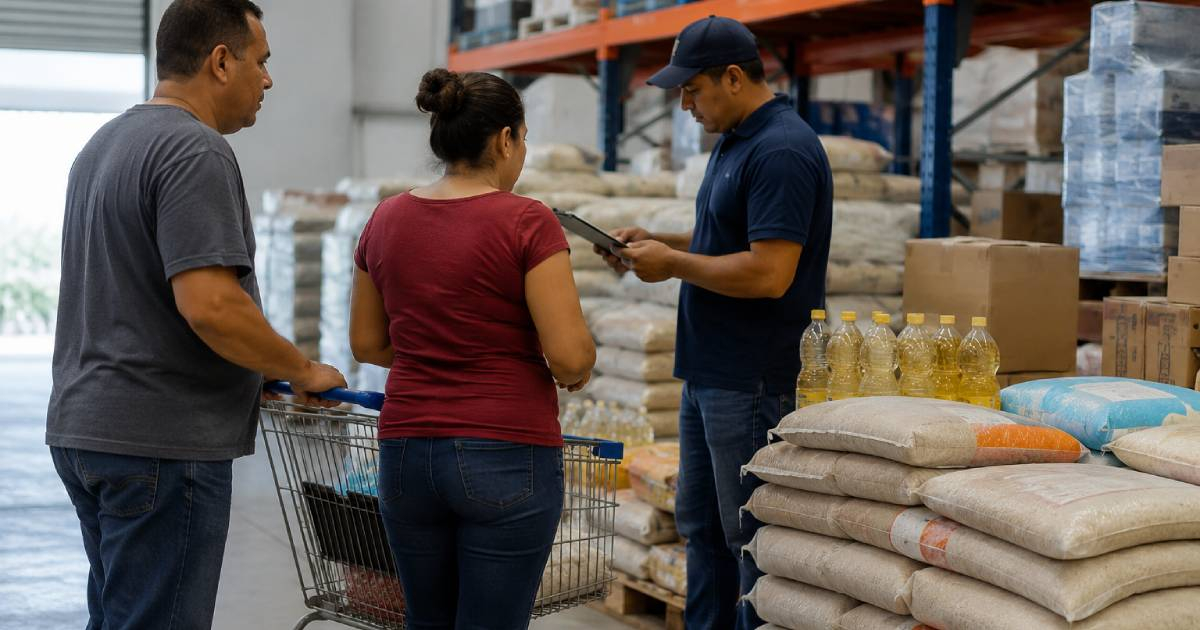
The Ministry of Domestic Trade (MINCIN) published this Friday the in Cuba, organizing them into three categories based on quality and comfort: High Level, Medium Level, and neighborhood or local establishments.
The standard was published in the , dated August 28, on pages 37 to 43, and it repeals Resolution 139 of October 23, 2019, which until now regulated the Typological Classifier of Retail Commercial Establishments.
The resolution is based on the , approved on August 7, 2026, whose Article 9 requires marketers to comply with the classification established by MINCIN.
According to the text of the regulation, "the classification of establishments is carried out based on the commercial activity they engage in, as well as the quality and comfort."
In addition to the three quality categories, the resolution defines seven types of establishments according to their activity: sale of goods, catering services, personal services, technical and commercial services, household services, accommodation, among others.
Within the sale of goods, the regulation distinguishes between markets, mini-markets—which include grocery stores, butcher shops, and fish markets—shopping centers or plazas, concentration zones, bakeries and candy stores, department stores, specialty shops, and online stores.
Establishments classified as High Level must have "maximum excellence in comfort, luxury furniture, and a highly skilled sales force," as stipulated by the resolution.
The regulation applies to both natural and legal persons engaged in commercial activities under the oversight of MINCIN.
Regarding the transition, the resolution states that the previous classification of each establishment will remain in effect until the corresponding business license expires.
Likewise, the heads of bodies and agencies of the Central State Administration have a period of 90 days to approve the internal classification procedures.
Resolution 23/2026 is part of a broader regulatory package published in the same Official Gazette No. 69, which includes seven other regulations on domestic trade, among them the and the .
All these measures are part of the Economic and Social Transformations approved by the Cuban government in June 2026, which included a package of 176 measures aimed at partially reorganizing the economy, with domestic trade being one of the priority reform sectors.
Related videos:
Filed under: