The Cuban animal rights activist Yenney Caballero published an alert on Facebook reporting that she was nearly the victim of a scam while looking for liquefied gas in Mayabeque, in a scheme that combines the false sale of fuel with the theft of the WhatsApp verification code to hijack accounts.
According to his account, it all started when he ran out of gas and couldn't find availability at Cuba Max. A friend shared a post from the Facebook group "Revolico San José de las Lajas, Mayabeque," where an account named "Claudia Martin" was offering liquefied gas delivered to your home for $45 for 20 kilograms, with the contact number 52088407.
Caballero contacted the number via WhatsApp, expressed interest in the offer, and was promised delivery within two hours. The alleged sellers requested her full name, home address, and identity card number—information she provided without suspecting the deception.
What came next was the critical moment of the trap. A man called her on the phone, verified the provided information, and instructed her that a code would appear on her screen that she should not touch, and that she needed to "accept the next step." He explained that by doing so, she would "transfer all her data and accounts to that code."
The gentleman immediately recognized that it was the WhatsApp verification code - the number 554-717, visible in the screenshots she herself posted - and rejected the operation. The platform promptly notified him that someone was trying to access his account and offered to change the password, which he accepted right away.
"I automatically rejected it. WhatsApp tells me that if I want to change my password because someone is trying to access my account, I accept it and take a deep breath," wrote the complainant.
In his post, Caballero shared the scammers' phone number and urged his contacts to report the fraudulent publication.
"Attention, everyone, please do not fall into that trap; it's a scam," she warned. She also alerted that if anyone receives a request for money in her name, it is not from her.
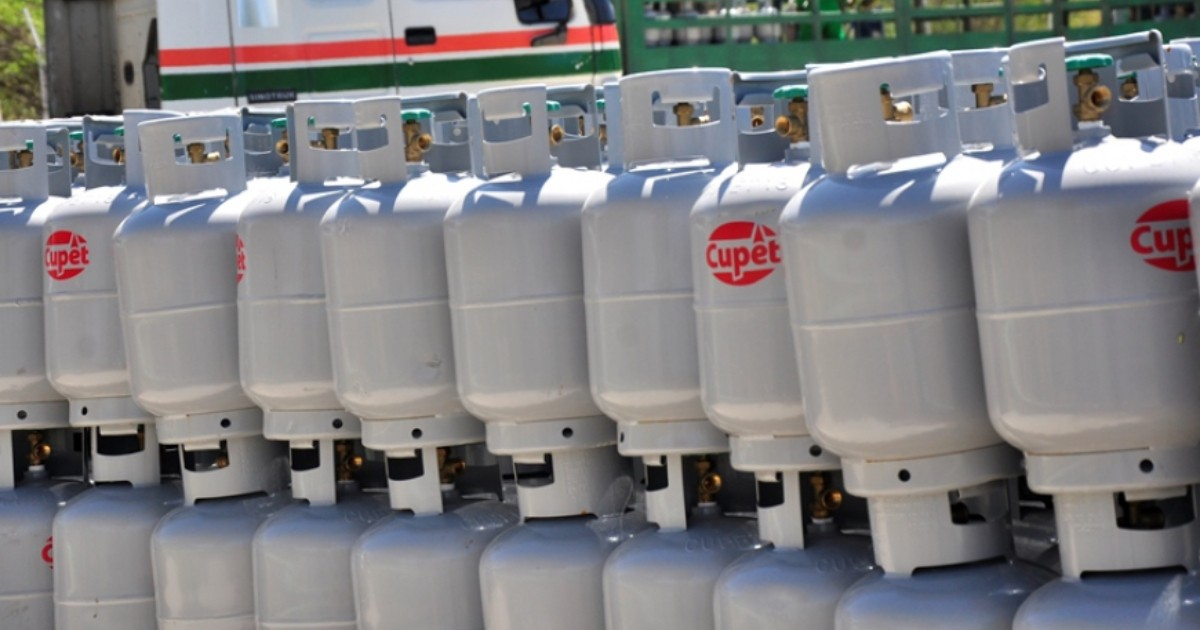
The situation arises amidst a severe liquefied gas supply crisis. Since January, CUPET has suspended distribution in most provinces due to a lack of supply, pushing thousands of families to seek the fuel through social media and informal platforms.
In July, the regime set the official price at 350 Cuban pesos for a 10-kilogram canister, but in the informal market, prices range from 10,000 to 70,000 pesos, or between 24 and 99 dollars.
This type of scam—fake gas sale ads in Facebook groups followed by the theft of the WhatsApp verification code—has proliferated in recent months in Cuba, where families are struggling to find ways to obtain fuel for cooking.
In August, a Cuban alerted on Facebook that these scams are used to steal personal data and clone the accounts of their victims.
Last week, a couple of elderly individuals from Ciego de Ávila lost 30,000 pesos and their gas cylinder after falling victim to a scam. The complaint was made by their granddaughter, who took to the streets to find the thief and managed to locate him.
"Given the necessity in Cuba, where there is nothing to cook with and everyone has to be cooking with charcoal, it's understandable that she believed it," he emphasized.
In June, a family from Las Tunas paid 50,000 pesos for a small vial that mainly contained water.
The Bank of Credit and Commerce warned in April 2026 that no legitimate procedure requires sharing the WhatsApp verification code. “It’s very sad that they want to steal from honest people who are just trying to survive amid such scarcity,” summed up Caballero in his post.
Related videos:
Filed under: