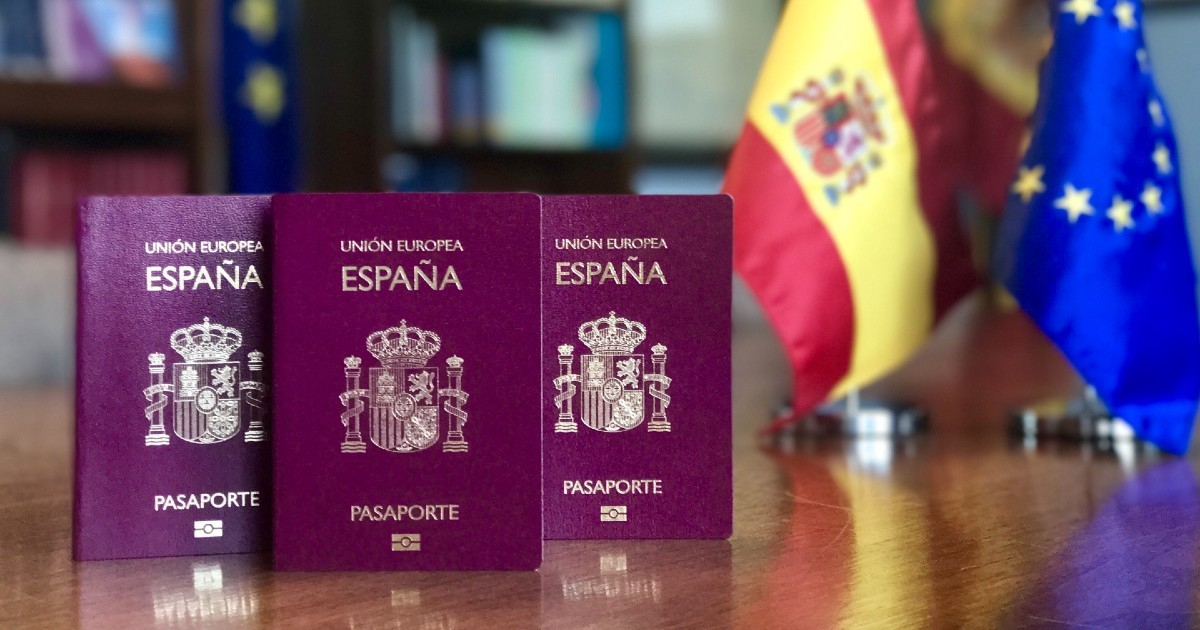
The Consulate General of Spain in Havana recently published an update on first passport applications for those who completed their registration in the Consular Civil Registry before the end of May 2026.
The statement establishes that those registered in that registry by May 31, 2026 and who have received notification through the digital system DICIREG are now eligible to schedule their appointment and proceed with the process.
What does the consulate say exactly?
The Spanish diplomatic mission in the Cuban capital was succinct but clear: "Through this notice, we want to inform that anyone who was registered in this Civil Registry until May 31, 2026, and who has been notified via DICIREG, is now able to schedule an appointment for the application of their first passport."
The message comes at a time of high tension for users who have been trying to move forward with their consular procedures from the island for months— in some cases, more than a year.
What is DICIREG and why is it crucial?
DICIREG is the electronic platform of the Spanish Civil Registry, described by authorities as the "new digital standard for Civil Registry procedures."
Its deployment across the entire Spanish consular network, which includes 177 offices worldwide and serves approximately 3.2 million Spaniards abroad, was completed on June 30, 2025.
In Cuba, this system is the official channel through which registered individuals receive the notification that allows them to proceed with their passport application. Without that notification, the process is stalled even if the applicant has completed all the previous steps.
Saturation, black market, and scams
The announcement comes weeks after the consulate expanded the appointment slots for document legalization to 1,500 per week, an accumulated increase of over 50% compared to the 1,000 weekly appointments that were offered in 2025.
Despite these ongoing efforts, the system remains overwhelmed. In June 2026, a black market for appointments was reported, with charges of up to 300 euros for expedited service and waiting times of up to 19 months for certain procedures.
In May 2026, the diplomatic office warned about fraudulent emails impersonating its identity to confirm fake appointments. The consulate has reiterated that appointments are free of charge and those managed by intermediaries are automatically canceled.
The Grandchildren's Law and the Structural Obstacles
A significant portion of the accumulated demand originates from the Democratic Memory Law, known as the Law of Grandchildren, which allowed the children and grandchildren of Spaniards to apply for nationality. The deadline for submitting new applications closed on October 22, 2025, although cases initiated before that date are still being processed.
In addition to bureaucratic difficulties, there is a structural obstacle: Cuba is not a party to the 1961 Hague Convention on Apostille, which requires a dual legalization process that can take up to six months and cost between 300 and 400 euros just for criminal records. The prolonged power outages on the island further worsen the situation, as documents may expire before they can be used.
Havana, the second city in the world for Spanish passports
The magnitude of the phenomenon is reflected in the annual consular activity report of Spain for 2025: that year, 390,752 passports were issued internationally.
Havana was the second city in the world with the most Spanish passports issued, with 28,027 documents, surpassed only by Buenos Aires with 39,540. The official fee for issuance is 30 euros, and the average processing time from the application is three weeks, although it may be extended due to force majeure.
Related videos:
Filed under: