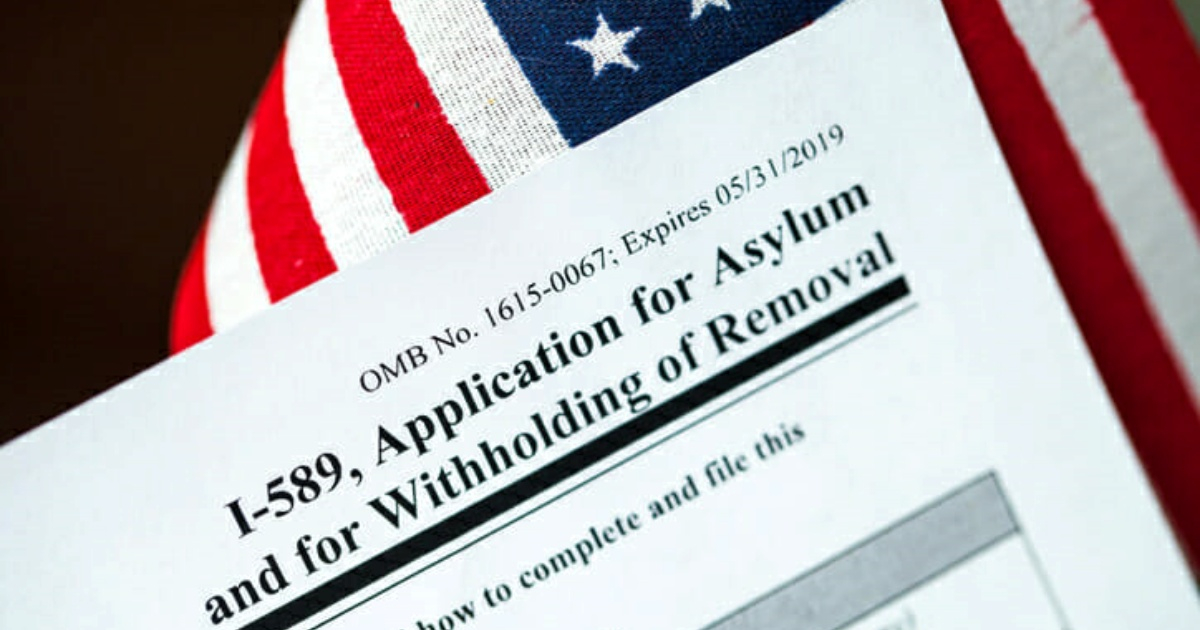
A report published by TRAC, the non-partisan data research project affiliated with Syracuse University, documents that asylum denials in U.S. immigration courts reached a historic high in June 2026: 94.1% of all cases were rejected, while the approval rate plummeted to just 5.5%.
The document, released on August 31, outlines an unprecedented transformation of the immigration system under the Trump administration.
In concrete terms, only 771 people were granted asylum that month, less than a quarter of those who received it just three years ago.
The remaining 0.4% was denied asylum but received some other form of immigration protection.
A decline that began before Trump
The downward trend is not new.
According to TRAC, approval rates began to decline during the Biden administration, falling from over 50% at the start of his term to 32% by the end.
What changed with Trump was the speed of the collapse: in just over a year and a half, the rate dropped from 32% to 5.5%.
The report states that “the overall asylum grant rates have been consistently declining and reached a historic low in 2026.”
The reconfiguration of the body of judges
One of the central factors explaining this collapse is the radical transformation of the immigration judges' body.
According to records from the Executive Office for Immigration Review (EOIR), 279 judges were dismissed or resigned during the fiscal years 2025-2026, representing 38% of the 735 judges who were in office at the close of the fiscal year 2024.
The contrast with the Biden era is striking: during his four years in office, an average of only 5% of judges left their positions each year. To fill the vacancies, the Trump administration appointed 192 new judges and added 53 temporary judges, reaching a total of 743 active judges by fiscal year 2026.
However, only 322 of them—43%—were already in office before Trump took office.
The judges who remained also became stricter in their judgments
The report reveals that even the judges who were not dismissed became more stringent in their rulings.
Of the 130 judges who were continuously active between the fiscal years 2021 and 2026, three quarters increased the proportion of cases they denied.
"This average increase was 33 percentage points," specifies TRAC.
The median increase was 28 percentage points.
The report itself warns that the rates of denial do not solely depend on the judicial philosophy of each magistrate, but also on "the type of cases they handle, the detention status of immigrants seeking asylum, current immigration policies, and other factors beyond the individual judge's control."
More cases resolved, but with worse outcomes
Paradoxically, the volume of resolved cases also reached record levels.
In March and June 2026, more than 14,000 monthly resolutions were achieved.
However, this increase in productivity did not translate to more approvals, but rather to more denials being processed at a faster rate. There was a temporary decline between November and December 2025 — when resolutions dropped to 8,800 per month — as a direct consequence of the massive layoffs of judges.
The impact on Cubans
For the Cuban community in the United States, the figures are especially concerning.
In June 2026, the courts issued 1,642 deportation orders against Cubans, and there are approximately 42,000 Cubans with deportation orders issued by judges who are still outside of custody in U.S. territory.
The legal context has also tightened: the Supreme Court backed a policy in June 2026 that allows border officials to reject certain applicants before they physically enter the country, and the Citizenship and Immigration Service (USCIS) announced a new rule in July to channel more cases directly to immigration courts, where the chances of denial are significantly higher.
TRAC periodically publishes individualized reports by judge that allow for the comparison of each magistrate's denial rates with those of their colleagues in the same court and at the national level — a tool that becomes particularly relevant in a system where the outcome of an asylum application can largely depend on the judge assigned to the case.
Las cifras de asilo en EE.UU. cambian rápidamente y cada dato puede afectar a miles de familias. Sigue todos los desarrollos en nuestra sección de para mantenerte informado.
Related videos:
Filed under: