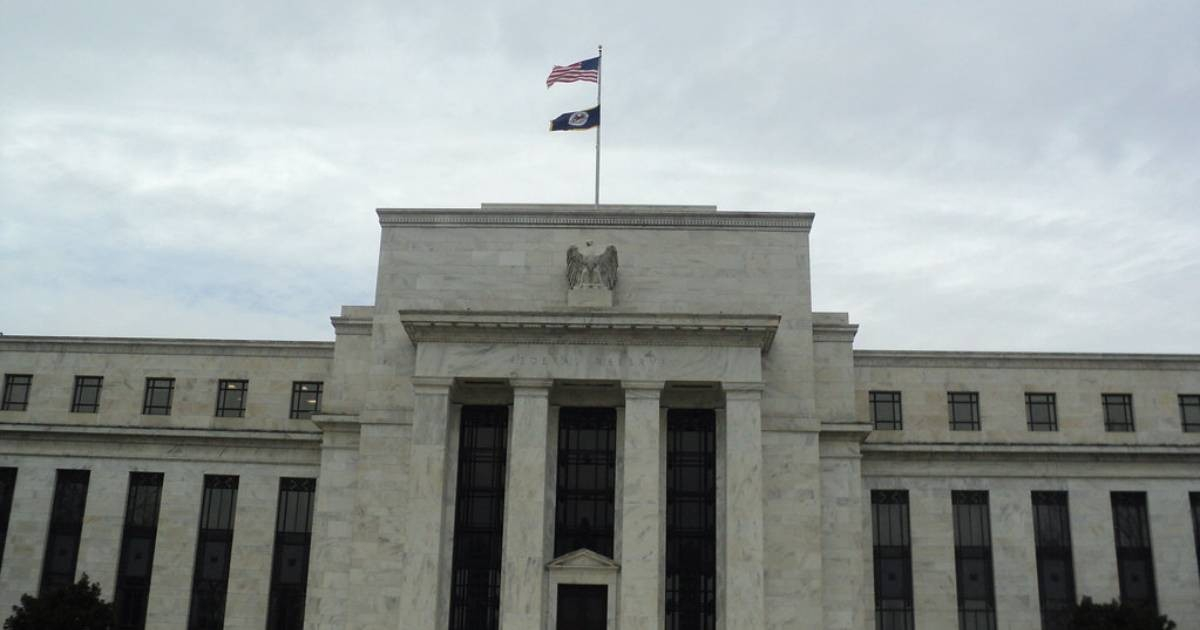
The Federal Reserve of the United States (Fed) raised its benchmark interest rate by a quarter of a percentage point this Wednesday, to a range between 3.75% and 4.00%, in a decision that may increase borrowing costs for millions of consumers and contradicts the repeated demands of President Donald Trump to lower the rates.
This is the first rate hike since 2023, adopted by the Fed in response to inflation that remains well above its 2% target, reported the agency AP.
The president of the central bank, Kevin Warsh, justified the measure by stating that price pressures have been too high for too long.
"The reality is that inflation is too high and has been for too long," affirmed Warsh. "We must be certain that core inflation is clearly approaching our target at a sufficient pace."
"Today, the FOMC decided that this requirement is not met," he added.
The decision was unanimously supported by the members of the Federal Open Market Committee (FOMC). At their previous meeting, held at the end of July, the Fed had kept rates unchanged, with three officials voting in favor of increasing them.
The situation has become more complicated due to the conflict with Iran, which has exerted new pressures on energy prices. The national average for gasoline has increased by more than 7% over the past month.
"There is no way to escape the conflict hotspots around the world," Warsh noted.
What does the increase mean for our wallets?
The increase in rates may gradually result in higher financing costs, particularly for those carrying credit card balances or needing to finance a car purchase.
It also arrives at a challenging time for those seeking housing. Buying a house in the United States has become more difficult, amidst high mortgage costs and property prices that continue to put pressure on buyers.
The increase also highlights a difference between the monetary policy advocated by Warsh and the repeated demands of Trump, who nominated him to lead the Federal Reserve.
Trump has been demanding significantly lower rates for months, and during Warsh's confirmation process, he made it clear that he expected cuts.
Warsh, however, assured the Senate Banking Committee that he had not promised the president to lower the rates and that he would make his decisions independently.
When reporters asked him on Wednesday what reaction he expected from Trump after authorizing the first increase in three years, he replied, "I have nothing to say to him about a possible conversation with the president."
Hours later, Trump reiterated his call for a drastic reduction in interest rates.
"The interest rates in the United States should be 1% or less because we are the best credit in the world. Lower the interest rates for the United States, and fast!" wrote the president on Truth Social.
The presidential pressure contrasts with the signals sent by the Fed itself.
In their latest projections, 16 of the 18 central bank officials who provided estimates anticipated at least one more hike before the end of 2026, while four projected two additional increases.
The Fed's projections indicate that the benchmark rate could be around 4.1% by the end of the year.
Preston Caldwell, chief economist for the United States at Morningstar, noted that "Warsh's tough tone in the press conference following the meeting suggests he may be pushing for interest rate hikes at future meetings."
The Fed will meet again at the end of October, just a week before the midterm elections, in a context where the cost of living continues to be one of the main economic concerns for Americans.
For now, the decision made this Wednesday sends a clear signal: the Federal Reserve believes that controlling inflation requires maintaining a more restrictive monetary policy, even in the face of pressures from the White House to lower credit costs.
Related videos:
Filed under: