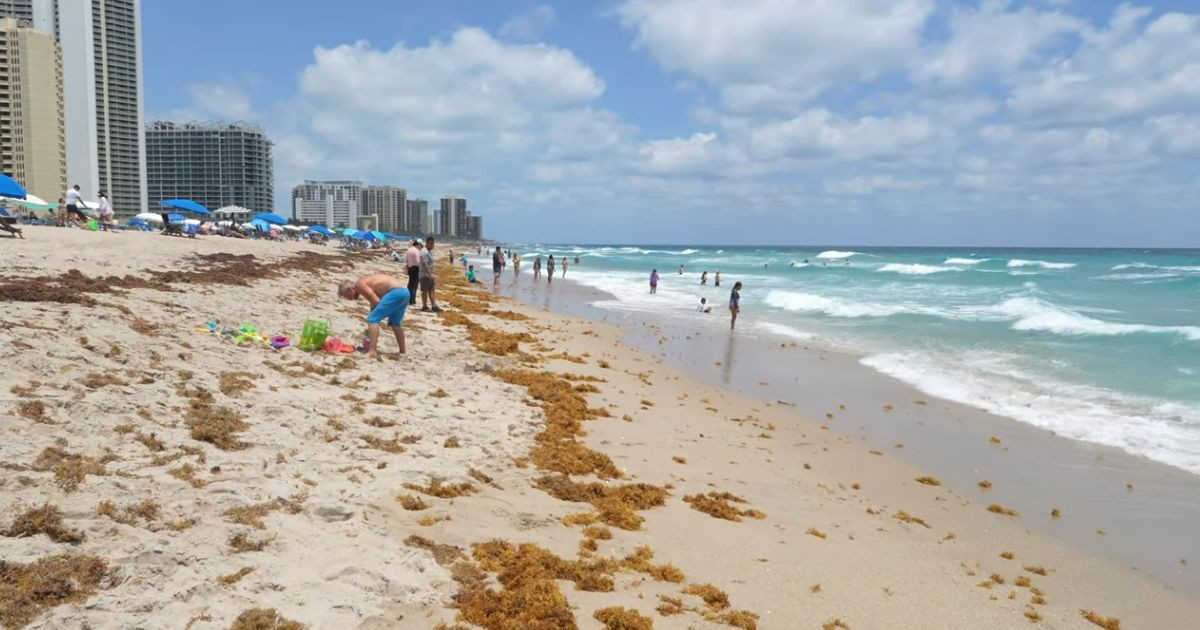
The health authorities of Florida lifted the warning on Thursday that recommended avoiding water activities at Phil Foster Park, in Riviera Beach, after new analyses showed an improvement in water quality.
The Florida Department of Health in Palm Beach County officially reported that tests conducted on Wednesday, September 16, detected an acceptable level of Enterococcus bacteria in accordance with state guidelines, allowing the advisory to be lifted.
The warning had been issued just two days earlier, on September 15, after analyses conducted on Monday, September 14, showed concentrations of enterococci exceeding the established levels for recreational waters.
At that moment, the authorities recommended avoiding swimming and any other activities that involve contact with water due to the increased risk of diseases for bathers.
The Palm Beach Post noted that the initial sample received a quality rating of "poor," with around 70.5 units per 100 milliliters of water, compared to a safe level of no more than 35.
Enterococci are bacteria normally found in the intestinal tract of humans and animals.
When present in high concentrations in recreational waters, they can serve as an indicator of contamination and an increased risk of infections or illnesses among those who come into contact with the water.
Among the possible causes of elevated concentrations are animal waste, intense recreational activity, tides, wave action, and runoff caused by rainfall, according to health authorities.
Phil Foster Park is a well-known destination in Riviera Beach, Palm Beach County, frequented by bathers, snorkelers, and kayakers.
This is not the first time this year that Florida authorities have issued warnings of this nature.
At the end of August, it was recommended to avoid swimming at Crandon Park North in Key Biscayne, after elevated levels of enterococci were detected, linked to potential fecal contamination.
In July, Bark Beach and Golden Beach, in Miami-Dade, were also temporarily declared unsafe for swimming after water tests detected Enterococcus concentrations above the established limits.
A similar incident occurred in September 2025, when Crandon Park North and South Point Drive Beach were placed under a health alert due to elevated levels of the same bacteria.
Related videos:
Filed under: