A Cuban identified as Américo Adolfo Hernandez posted this week on Facebook a widely circulated reflection on the economic dynamics affecting the island: «Here, nothing is produced. Here, everything is imported, hoarded, and resold. And in that cycle, someone always wins. Almost always the same person».
The text, titled "Cuba: The Paradise for Resellers," begins with a straightforward premise: "There is a business in Cuba that never goes bankrupt, never loses, and never takes risks: reselling." From this point, the author provides an analysis that spans from agriculture to small and medium-sized private enterprises (Mipymes).
The first link is the most visible: a farmer sells avocados to the reseller for 100 pesos each; the reseller places them on a street corner or cart and sells them for 300 pesos, tripling the price without having planted or waited for the harvest, Hernández reflects.
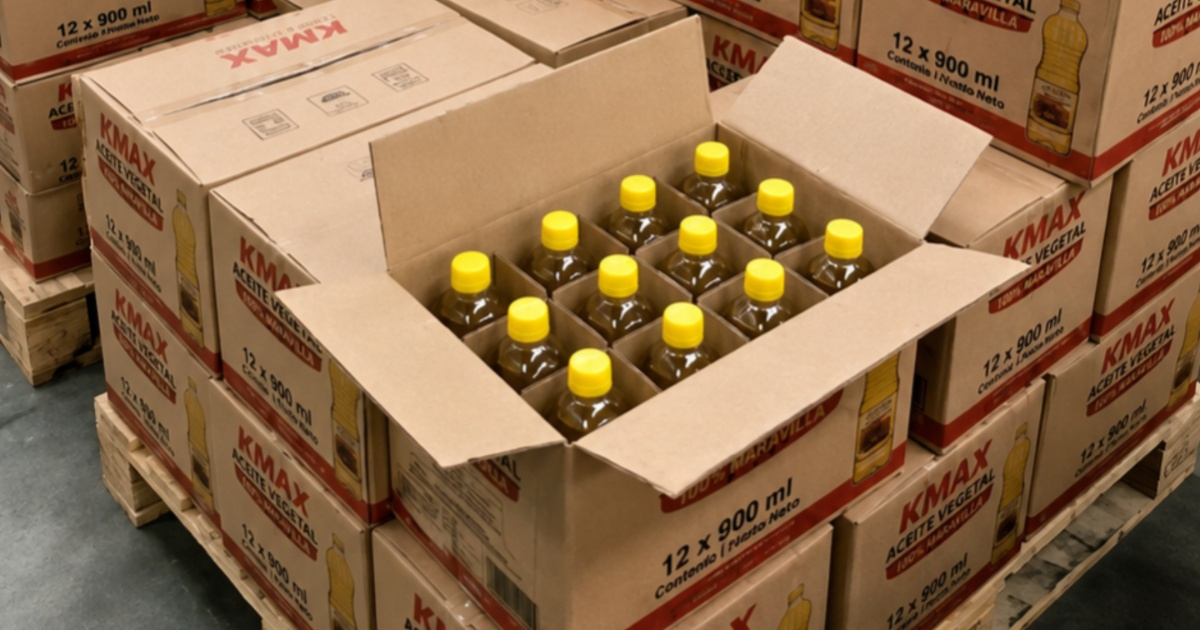
The second link, he says, is the Mipymes, which justify their margins with the argument of import costs, local expenses, and taxes. He gives the example of a liter of oil: before, a Mipyme made a net profit of 500 pesos per unit after accounting for all expenses; now, without any increase in origin costs, taxes, or transportation, that same liter yields them 1,500 pesos. Triple.
"These are approximate figures. However, the fact is real: the price increase does not correspond to costs; it corresponds to the intention of making more profit with less investment each time," he argues, although many forum users respond in comments that the variables he mentions have indeed changed, along with others that have not, starting with the price of the dollar in the country.
In Hernández's view, the country's system is "not capitalism. It is not socialism. It is a perverse hybrid where the state allows, the reseller takes advantage, and the people pay." He adds, "That is not an economy. That is looting with permission." With the caveat—suggest several internet users—that the primary looter is the one responsible for the country's internal blockade, who governs it.
The structural context supports the stark diagnosis. The regime removed retail price ceilings for cut chicken, cooking oils, powdered milk, pasta, and sausages in June 2026 through Resolution 150/2026 of the Ministry of Finance and Prices.
Before that measure, the official price for imported oil was 990 pesos per liter; in August, it soared to over 4,000 pesos, with peaks of up to 7,000 in some areas. On Tuesday, a Cuban woman reported that a pound of chicken cost 800 pesos and a bottle of oil was between 3,800 and 4,000 pesos in Havana.
The gap in income is staggering. The minimum wage was raised to 3,210 pesos per month in July 2026, which amounts to just about five dollars at the unofficial exchange rate. A calculation published this month estimated that a small family in Havana needs around 205,000 pesos per month to cover food, hygiene, medicine, and basic services: approximately 64 times the minimum wage.
The hoarding is not a new phenomenon either. On the 11th, residents of Cojímar reported that resellers were hoarding almost all the bread from a state bakery to sell it at much higher prices. Furthermore, this week, the official press published a report questioning who really sets the prices in Cuba, citing as an example that in Matanzas, a bag of milk reached a cost of 6,500 pesos at one point and 4,500 at another in the same city.
Many of the internet users who commented on the post agreed with the diagnosis. One noted that Cuba "is the only country where there is no competition in the markets: here, one sets a price and everyone goes to sell it at that price." Another pointed out that the solution is more profound: "If oil were produced in Cuba, it could compete with imported oil and the price would automatically adjust. However, the government doesn't do this due to 'lack of resources,' and those with the money to invest don't do so because this government or system provides no legal guarantees [...]. Cuban laws change every day."
A third voice summed up the human impact: "What we are experiencing is beyond description, and only those of us on the ground see and suffer it."
Related videos:
Filed under: