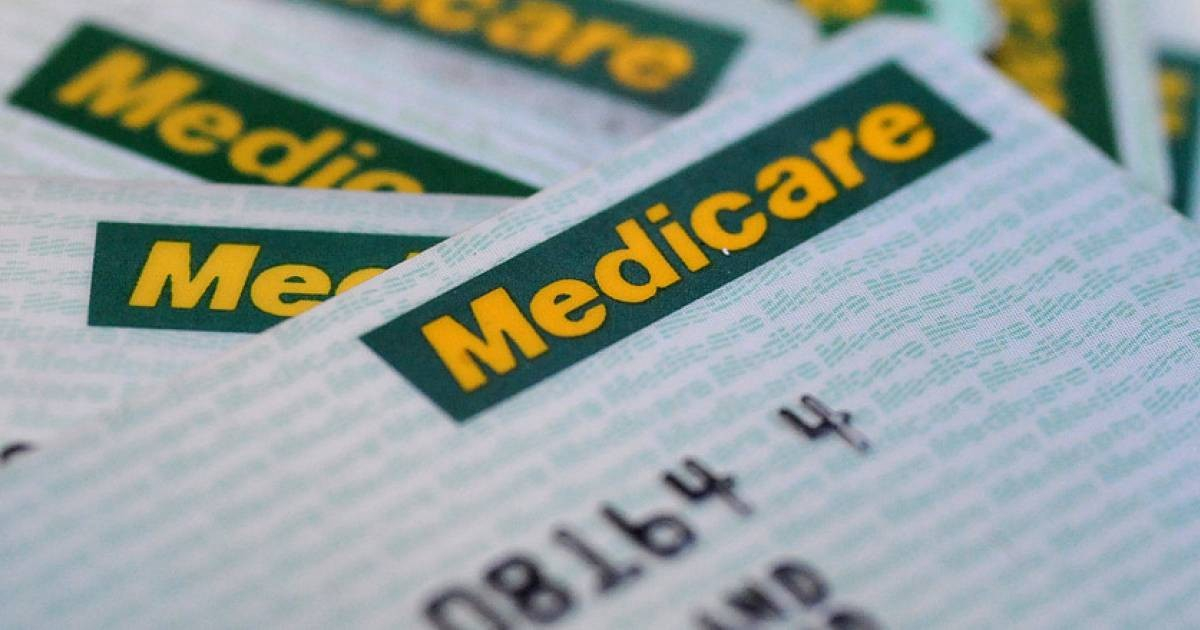
Florida faces the largest known impact in the United States from the new federal Medicaid restrictions for certain immigrants starting this Thursday, as approximately 177,000 individuals have been identified by the state as potentially ineligible for coverage beginning October 1.
The figure was confirmed by Anna Holaday, spokesperson for the Florida Department of Children and Families (DCF), to KFF Health News, which gathered information from nine states and the District of Columbia and counted more than 281,000 potentially affected immigrants.
Florida leads that list by a wide margin. It is followed by North Carolina, with about 29,000; Arizona, with nearly 28,000; New Jersey, with between 15,000 and 25,000; and Washington, with approximately 11,000.
But the change has a particularly important nuance for the Cuban community, as the law expressly maintains the so-called “Cuban/Haitian entrants” among the categories that can retain Medicaid, as long as they meet the other eligibility requirements.
What changed since October 1st?
The restriction stems from the One Big Beautiful Bill Act, signed by President Donald Trump on July 4, 2025.
According to the official guide published by the Centers for Medicare and Medicaid Services (CMS), starting October 1, 2026, federal funding for full Medicaid coverage will be limited, with certain exceptions, to citizens and nationals of the United States and three major categories of non-citizens: lawful permanent residents —green card holders—, Cuban/Haitian entrants, and migrants covered by the Compact of Free Association (COFA).
This excludes categories that were previously eligible from full coverage funded by the federal government, including refugees, asylees, certain victims of trafficking, and parolees who do not also belong to one of the categories that remain protected.
In Florida, additionally, children and adolescents aged 18 years or younger who reside legally remain eligible under the option adopted by the state in accordance with CHIPRA, as explained by DCF itself.
The exception that protects many Cubans
For thousands of Cubans living in Florida, the key lies in the eligibility category known as Cuban/Haitian entrant.
The Florida DCF explains that this designation may include Cuban and Haitian nationals who received parole, applied for asylum, or are undergoing removal proceedings.
Moreover, the CMS federal guidance explicitly includes Cuban/Haitian entrants among the non-citizens for whom federal Medicaid funding remains available following the change on October 1.
This means that being Cuban can open the door to that exception, but nationality alone is not enough: the DCF must be able to verify that the person belongs to one of the immigration categories that remain eligible.
What happens to Cubans who have I-220A?
This is one of the most relevant points for Cubans who have arrived in the United States in recent years.
The I-220A form, Order of Release on Recognizance, does not grant immigration status by itself nor does it equate to a parole.
However, that does not mean that all Cubans with I-220A are excluded from the Cuban/Haitian entrant category.
The federal SAVE system of USCIS has clarified that a Cuban with an I-220A can be identified as a Cuban/Haitian entrant when authorities can also confirm that they are in removal proceedings and are not subject to a final deportation order that can no longer be appealed.
A Florida DCF guide for refugee service providers also includes documentation related to removal procedures to determine the eligibility of Cubans and Haitians.
Therefore, having an I-220A does not automatically guarantee Medicaid, but it also does not automatically mean losing it. The complete immigration situation and the information that can be verified by the DCF are determining factors.
This distinction is also important because being considered a Cuban/Haitian entrant for certain public benefits does not convert the I-220A into parole nor does it in itself resolve eligibility for obtaining residency under the Cuban Adjustment Act.
Immigration attorney Willy Allen III recently explained to CiberCuba that Cubans who adjust their status under the Cuban Adjustment Act have specific exceptions concerning certain public benefits.
"If I am Cuban, I will take the Adjustment Law and if I have received some help, I will distance myself. Calmness. It doesn't matter. It's unrelated. Because it is an exception. And it remains an exception," he pointed out.
Did you receive a letter from the DCF?
Receiving a notification does not necessarily mean that the person has permanently lost Medicaid.
The DCF explains on its page specifically dedicated to the change that it is verifying the immigration status of non-citizens through the federal SAVE system.
When the agency cannot automatically verify that a person meets the new requirements, it requests additional documents.
Therefore, those who have received a letter must respond and provide the required documentation. The DCF warns that if it does not receive the documents or if these do not demonstrate that the beneficiary belongs to an eligible category, coverage ended on September 30, 2026.
The documentation can be sent via the MyACCESS account or through the channels indicated in the notification.
For those who can no longer receive full Medicaid due to their immigration status, the CMS guide clarifies that the new restrictions do not eliminate emergency Medicaid, which is intended for the treatment of certain medical emergencies and does not equate to regular coverage.
The impact may still grow
The figure of nearly 177,000 people in Florida does not necessarily represent the definitive number of beneficiaries removed from Medicaid.
KFF Health News reports that the state initially identified these individuals by checking their immigration records, but allowed them to submit additional information to prove that they remain eligible. Final figures for terminations will not be available until later.
The national impact of the healthcare reform will be significant. The Congressional Budget Office (CBO) estimates that the set of changes to Medicaid included in the law will increase the number of uninsured individuals by 7.5 million by 2034, although this figure includes many other provisions and not solely the immigration restrictions.
For Cubans in Florida, the main practical takeaway is that the new law does not eliminate Medicaid for all Cuban immigrants. The Cuban/Haitian entrant category remains expressly protected, but those who receive a notification from the DCF must verify how their status is recorded and provide the requested documentation instead of assuming that the exception will automatically apply.
Related videos:
Filed under: