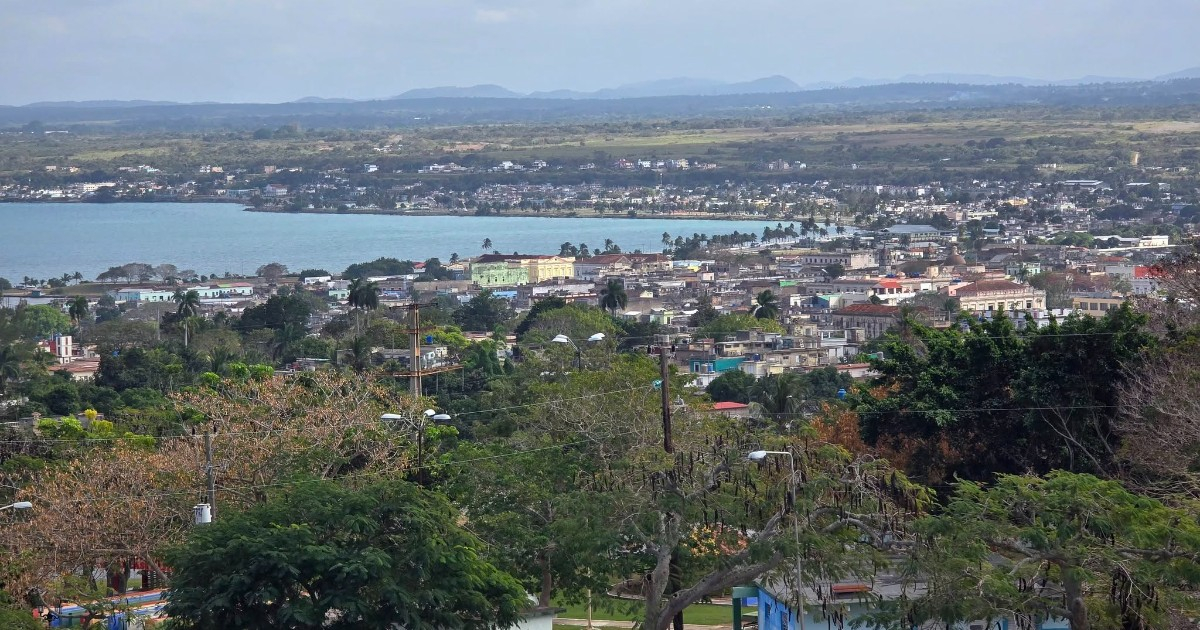
The health authorities of Matanzas raised alarms this Friday due to a sustained increase in acute respiratory illnesses in the province, with particular concern for the most vulnerable groups: children under one year old, pregnant women, and the elderly.
Yamira López, provincial director of Health, warned through the official media Radio 26 that "this is not a calm period," and emphasized that October and November historically represent the months of greatest epidemiological complexity in the region.
The climatic conditions typical of this season—high temperatures, elevated humidity, and frequent rains—favor both the circulation of respiratory viruses and the proliferation of the mosquito Aedes aegypti, which transmits dengue and chikungunya, making the current scenario one of double risk.
López was emphatic that no child under a year old and no pregnant woman with respiratory symptoms should be assessed solely at home; everyone requires in-person medical attention.
For moderate cases, care is provided at the secondary level, within a localized network that defines the referral hospital and the mechanisms for referral consultation in each municipality.
The official also urged families not to downplay symptoms with the notion that "there's nothing to send." Delaying consultation, she warned, can lead to serious complications and even admissions to intensive care units.
The alert comes at a time when the Ministry of Public Health had already recognized on a national level a simultaneous increase in respiratory infections, diarrheal diseases, hepatitis, and arboviral diseases, attributed to "limitations in environmental sanitation systems, water treatment, and waste collection," as acknowledged by Deputy Minister Carilda Peña García.
Matanzas also bears a particularly serious epidemiological history. In 2025, the province was the epicenter of the national chikungunya outbreak, which began in the municipality of Perico and spread to five provinces.
Cuba ended that year with over 81,900 combined cases of dengue and chikungunya and 65 associated deaths.
So far in 2026, the decline has not stopped. In May, the authorities described the provincial epidemiological situation as "complex" due to outbreaks of hepatitis A linked to the water crisis, which has left more than 300,000 residents without a stable water supply. In June, the first cases of dengue for the season were detected.
On a national scale, the outlook is equally concerning: according to the Global Dengue Observatory at the London School of Hygiene and Tropical Medicine, Cuba is expected to have around 7,133 cases of dengue in 2026, a figure that surpasses 7.4 times the expected level for this time of year, with the seasonal peak anticipated precisely in October.
The health authorities in Matanzas are continuing active screening and epidemiological surveillance, emphasizing that early detection is the main tool to prevent the healthcare system—already weakened by fuel shortages, power outages, and a lack of supplies—from collapsing under increasing demand.
Related videos:
Filed under: