The Ministry of Public Health (Minsap) acknowledged that Cuba is facing a simultaneous increase in acute respiratory infections, diarrheal diseases, hepatitis, and arboviral diseases, in a context marked by the limitations of the country's health infrastructure.
In statements to the television program Buenos Días, cited this Friday by the official newspaper Granma, the Deputy Minister of Public Health, Carilda Peña García, indicated that the behavior of these diseases is one of the main concerns of health authorities.
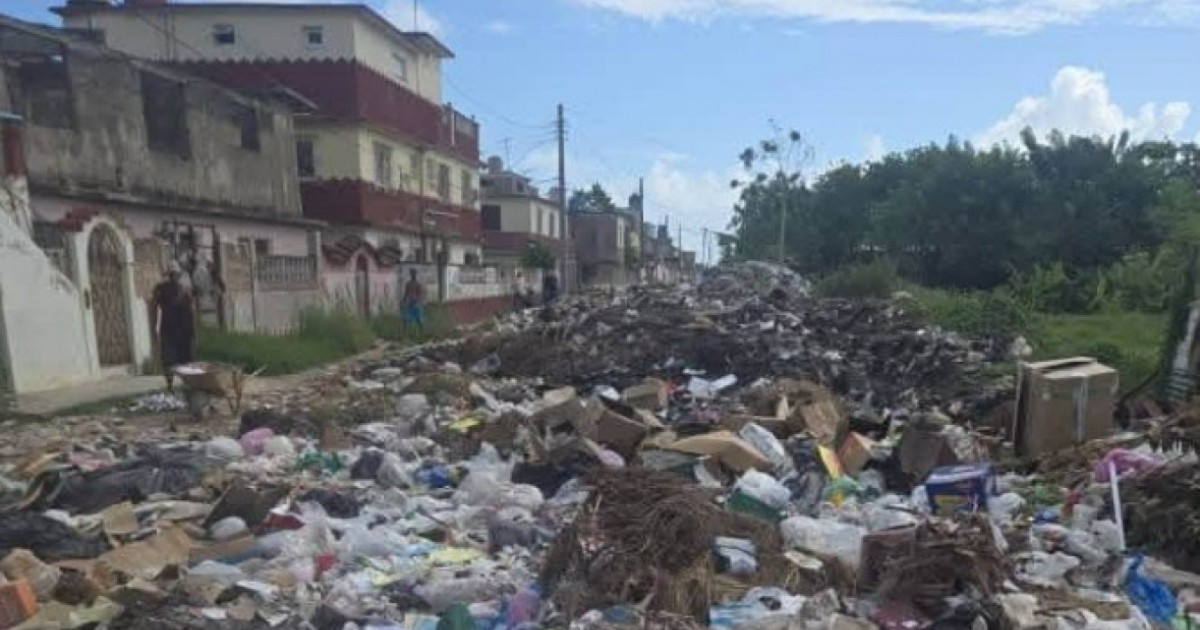
Regarding diarrheal diseases and hepatitis, the official attributed their spread to "limitations in environmental sanitation systems, water treatment, and waste collection," an implicit acknowledgment of the shortcomings in public services managed by state entities.
In terms of arboviruses, Peña confirmed that dengue continues to have active circulation of all four serotypes of the virus, with the current predominant serotype being two, and emphasized that "Cuba is an endemic country."
The deputy minister also confirmed the presence of chikungunya, although she dismissed the notion of an "excessive increase" as has been speculated on social media.
Independent data contrasts with the moderate tone of the Minsap. According to the Global Dengue Observatory of the London School of Hygiene & Tropical Medicine, so far this year Cuba has reported 7,133 cases of dengue, a figure that would exceed 7.4 times the expected level for this time of year.
August was the month with the highest burden, with an estimated 3,214 cases. The seasonal peak typically occurs in October, suggesting a possible worsening in the coming weeks, according to an analysis from the observatory.
The crisis is not limited to dengue. At the beginning of September, the United States Embassy in Havana issued a health alert regarding the significant increase of diarrheal diseases across the island, mentioning pathogens such as E. coli, norovirus, and Shigella, while linking the risk to the collapse of water and energy infrastructure.
That same alert reported outbreaks of hepatitis A in at least six provinces: Matanzas, Camagüey, Pinar del Río, Ciego de Ávila, Santiago de Cuba, and Havana.
In Holguín, the Pan American Health Organization (PAHO) recently donated 50 fumigation units to combat Aedes aegypti across the 14 municipalities of this eastern province, in a context worsened by the accumulation of uncollected garbage that increases the breeding grounds for the mosquito that transmits the disease.
In Guantánamo, the municipality of Manuel Tames was declared in an epidemiological alarm with 23 weekly reported febrile cases, while the municipalities of Imías, Baracoa, and the city of Guantánamo continued to experience active dengue transmission with over 30 confirmed cases by PCR.
The OPS noted in April that the shortage of fuel, rodenticides, medications, and operational supplies limits environmental sanitation and vector control in Cuba, factors that Deputy Minister Peña described as "avoidable and manageable," but which respond to a systemic deterioration that the regime has not been able to reverse.
Related videos:
Filed under: