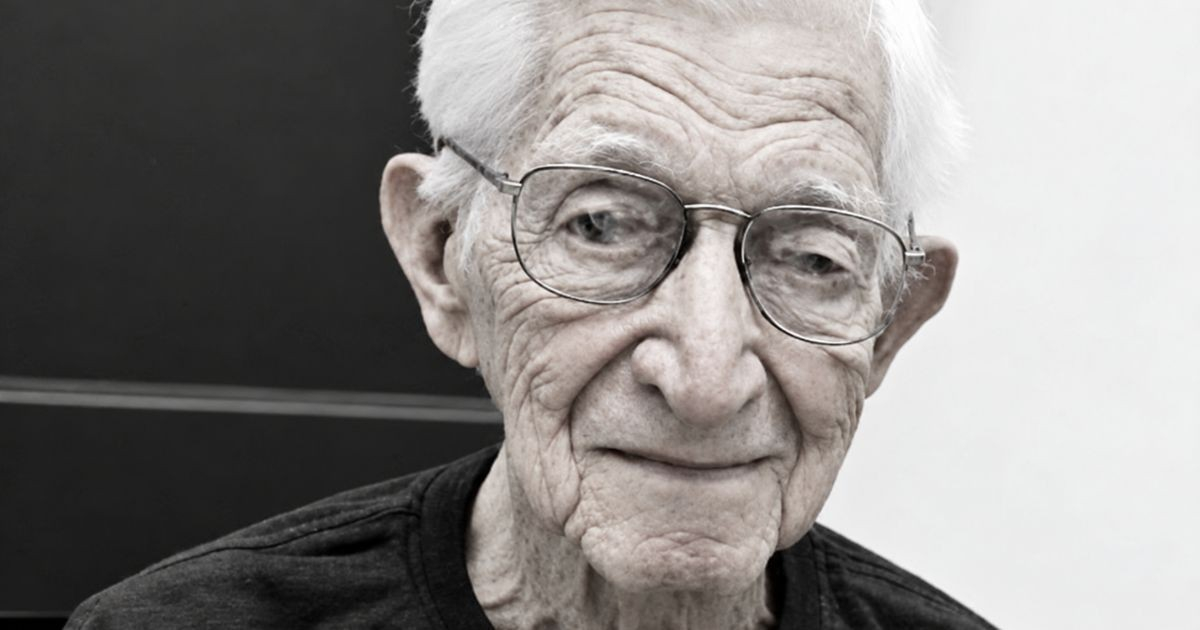
The professor Julián Pérez Amarillo, a prominent figure in microbiology and pediatric infectious diseases in Cuba, passed away on Friday, October 2, at the age of 96 years. The Pedro Kourí Tropical Medicine Institute (IPK) announced the news on its social media with a notice that included his birth and death dates: January 10, 1930, and October 2, 2026.
"With deep sorrow, we bid farewell today to Professor Julián Pérez Amarillo, a distinguished microbiologist whose legacy leaves an indelible mark in medicine, pediatric infectious diseases, and Cuban bacteriology," wrote the IPK, the national reference center for infectious diseases and tropical medicine.
Born in 1930, Professor Amarillo —as his colleagues and students called him— devoted his professional life to the study, diagnosis, and prevention of infectious diseases on the Island.
His teaching and assistance work was mainly carried out at the pediatric teaching hospitals William Soler and Juan Manuel Márquez, both in Havana, where he trained several generations of health professionals. The IPK emphasized that "his scientific rigor, combined with an unwavering commitment to children's health, established him as an indispensable reference in clinical bacteriology in the country."
Beyond the classrooms and hospital laboratories, Professor Amarillo extended his influence into the biotechnological realm through a close collaboration with the National Center for Biopreparations (BioCen). Inaugurated in 1992, BioCen integrates BioCubaFarma and is home to the only plant in Cuba dedicated to the production of culture media and nutrient bases for microbiology and other applications. Its catalog includes a wide variety of dehydrated culture media, nutrient bases, supplements, and reagents used in clinical, veterinary, pharmaceutical, food microbiology, and other fields.
A former student recalled him as "a great innovator in the phenolic diagnosis of bacteria" and emphasized the privilege of learning alongside him about those innovations and the control of healthcare-associated infections (HAIs, formerly known as HAI). Another colleague was more concise but equally poignant: "Today, Cuban microbiology is in mourning."
The Cuban medical community responded with a widespread wave of condolences on social media. He was repeatedly described as a "teacher of teachers," and those who knew him unanimously noted, alongside his scientific rigor, a profound modesty and simplicity that set him apart. The National Graduate School of the Ministry of Public Health (MINSAP) also expressed its condolences in an official statement: "A significant loss. To his family, friends, colleagues, and students, heartfelt condolences from the National Graduate School of MINSAP. Farewell, Professor."
The passing occurs at a time when Cuba is facing active outbreaks of infectious diseases such as chikungunya and dengue, making the loss of a specialist with a background in bacteriology and pediatric infectology even more poignant, in a healthcare system that is experiencing a severe crisis of resources and personnel.
The IPK bid farewell to Professor Amarillo with words that summarize the feelings of an entire scientific community: "We bid farewell to a professional of strong principles, a passionate educator, and a pillar of Cuban microbiology, who was also characterized by his profound modesty and simplicity."
The institution's statement does not provide further details about the funeral services. Deep condolences go out to their family, friends, colleagues, and students.
Related videos:
Filed under: