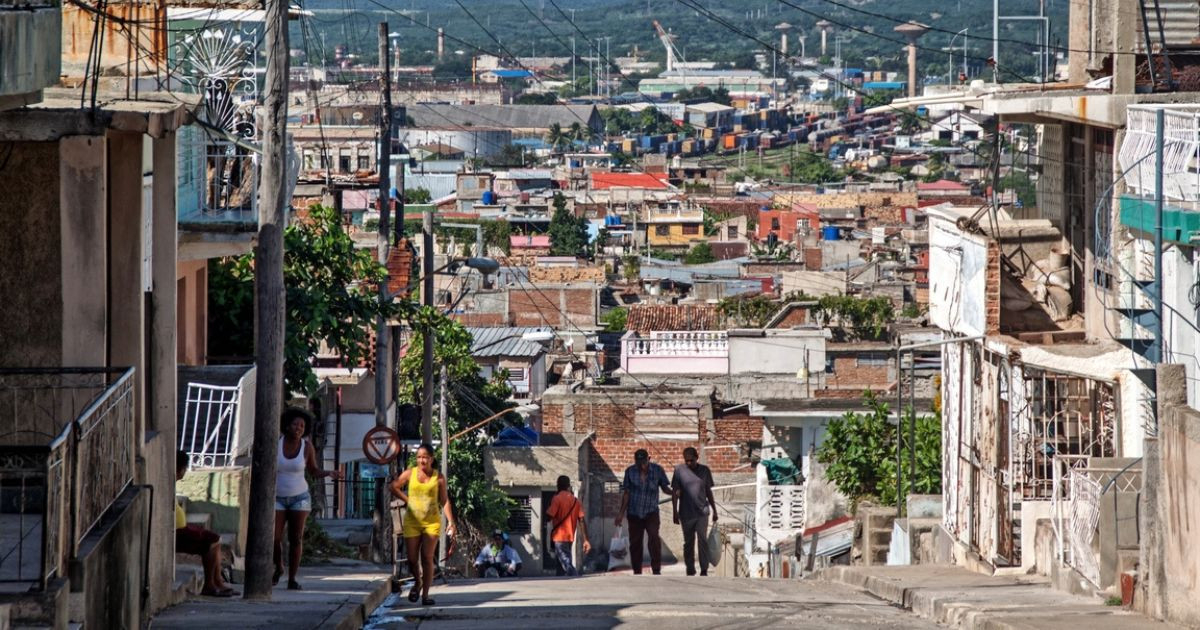
The province of Santiago de Cuba is experiencing active dengue transmission in the municipalities of Palma Soriano, Contramaestre, and the capital city, following an increase in reports of unspecified febrile syndromes since late June, reported the official newspaper Sierra Maestra on Saturday.
Dr. Yaimara Gutiérrez de la Cruz, director of the Provincial Hygiene Center, specified that the increase began in epidemiological week 29 and that most of the affected individuals are over 18 years old.
Although by the end of week 36 the authorities had not reported any critical cases or patients with alarming signs, there had previously been a serious patient admitted to the Military Hospital, coming from the Josué País health area, where there is significant movement of people with fever.
The situation also keeps the municipality of Segundo Frente under surveillance due to the risk of new cases emerging. The warning expands the health alert beyond the three areas where active transmission is already recognized.
Gutiérrez noted that dengue is currently the only arboviral disease circulating in the province. The cases of chikungunya reported at the beginning of 2026 have not been reported again, while Santiago de Cuba has not recorded any cases of zika since 2016.
Health authorities emphasized that individuals with fever should seek medical attention and recognize warning signs such as persistent abdominal pain, frequent and profuse diarrhea, excessive vomiting, intense sweating, and loss of consciousness.
Priority is given to children, the elderly, pregnant women, and postpartum women. For suspected cases of arbovirus infections, there are specialized services at the Ambrosio Grillo Hospital for adults, the Norte Children's Hospital for minors, and the Juan Bruno Zayas Hospital for pregnant women and postpartum patients.
The protocol establishes hospital admission for patients who meet the established criteria, while others receive care in the community, with follow-up by family doctors and nurses.
The situation is unfolding against a backdrop of increasing rainfall, prompting health authorities to call for strengthened environmental sanitation and individual responsibility to reduce the proliferation of mosquitoes that transmit diseases.
According to the Global Dengue Observatory of the London School of Hygiene & Tropical Medicine, Cuba has reported 7,133 dengue cases so far this year, a figure that exceeds 7.4 times the expected level for this time of year.
August was the month with the highest burden, with an estimated 3,214 cases, and the seasonal peak typically occurs in October, suggesting a possible worsening in the coming weeks, according to the British observatory.
The Ministry of Public Health (Minsap) recently acknowledged the rise in dengue, along with an increase in diarrheal diseases and other transmissible diseases, and confirmed the active circulation of all four serotypes of the virus, with serotype two being predominant.
Other eastern provinces are also facing active outbreaks. In Guantánamo, the municipalities of Imías, Baracoa, and the capital city are experiencing transmission with more than 30 confirmed cases by PCR from days ago.
For its part, the municipality of Manuel Tames was declared in an epidemiological alert with 23 weekly recorded fever cases.
Last year, Cuba recorded more than 81,900 combined cases of dengue and chikungunya, and at least 55 deaths due to arboviruses, according to official data from the Minsap.
Related videos:
Filed under: