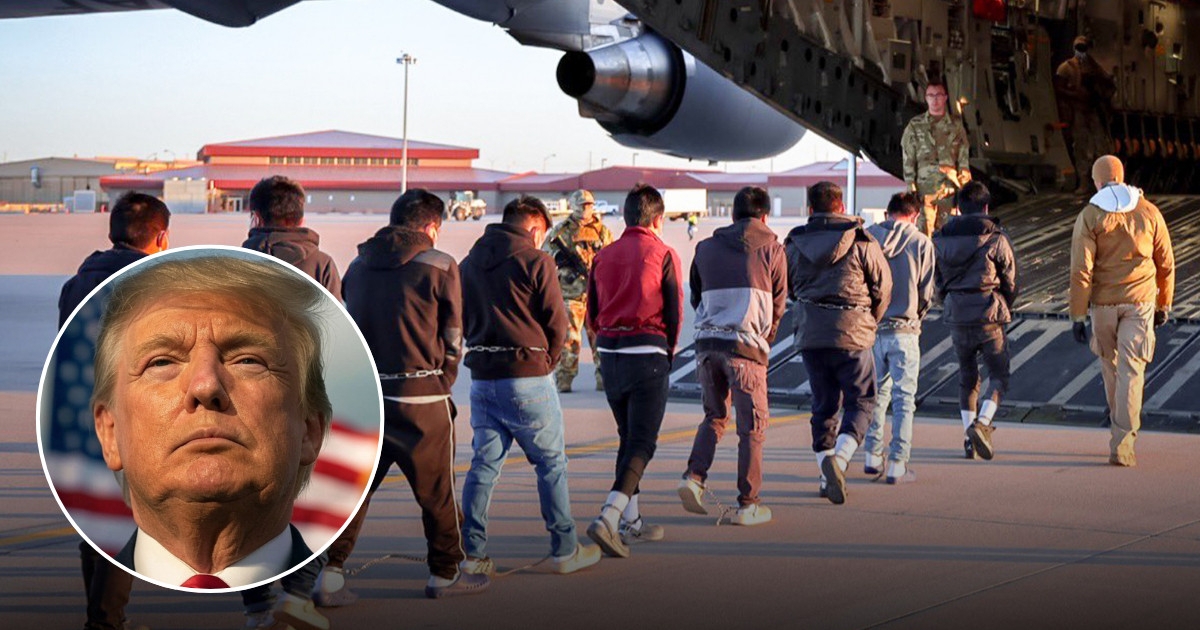
The public network NPR dedicated this Saturday its weekly immigration segment to examining how the immigration crackdown by the Trump administration is impacting Cuban-Americans in South Florida, a group that massively supported the president in 2024 and is now expressing disappointment, fear, and anger at policies that many believed would never affect them.
The reporter Sergio Martínez-Beltrán, interviewed by Scott Simon on Weekend Edition Saturday, described a widespread climate of discontent among Cubans and Cuban-Americans in Miami, where the historic shield provided by the Cuban Adjustment Act has ceased to function as it once did.
The core of the problem is the restrictive reinterpretation that the Trump administration applies to that Cold War law: thousands of Cubans who arrived during the Biden era—particularly those who have the I-220A form instead of a formal parole—have been excluded from the path to permanent residency, with their immigration status caught up in pending litigation.
Las políticas migratorias de Trump y su impacto en la comunidad cubana siguen evolucionando. Mantente al día con toda la información en nuestra sección de
While the courts deliberate, deportations continue. The administration has sent nearly 6,000 Cubans to Mexico, where, according to historian Michael Bustamante from the University of Miami, they have no real legal options.
"People who have been here for 30 or 40 years are often older or vulnerable. They are being deported to southern Mexico without really having a path to obtain immigration status there. As a result, they effectively become stateless," Bustamante told NPR.
Other Cubans have been sent to African countries. Aristides Fernández García, deported to the Central African Republic, told NPR that he is ill, remains detained, and feels that he has lost something that no amount of money can return: "The time with family, with the elderly, with those who have less time left... that cannot be recovered. Not even with millions of dollars."
The overall figures of the offensive illustrate its magnitude. According to data from the Department of Homeland Security published in July, there were about 66,000 immigrants in detention, nearly 71% of whom had no criminal convictions. In August, Immigration and Customs Enforcement (ICE) arrested almost 51,000 individuals, a historic monthly record. In total, the Trump administration has deported over 600,000 immigrants.
The political impact is being felt exactly one month before the midterm elections on November 3. Cuban-American Congresswoman María Elvira Salazar, a historical ally of Trump who is vying for her fourth term in Florida's 27th District, launched a bilingual ad in September recorded in front of the White House in which she warned that Hispanics who helped elect the president "now feel betrayed" and that his immigration policies "have gone too far." Salazar is facing a tight race, with internal polls showing a tie at 45%.
Dissent is not limited to Florida. Republican Senator Jim Justice of West Virginia called for the administration to "take a step back" and acknowledge that "it's doing something wrong" in its ICE operations, although he later clarified his position.
A recent survey on Latino voting in seven key states revealed that Democrats would gain between six and ten percentage points of support among that electorate compared to 2024, driven by opposition to deportations and the rising cost of living.
The situation becomes even more complicated with the warning issued by the border czar, Tom Homan, last Friday from the Trump National Doral Miami, in the heart of the Cuban and Venezuelan community in South Florida: “Wait and see what we will do next year”.
Related videos:
Filed under: