The story of a Cuban girl who grew up in extreme poverty in 1930s Havana and ultimately became an entrepreneur in the United States is at the heart of a book that the Tampa Bay History Center highlighted at the end of September as the kickoff for its 2026-27 reading club season.
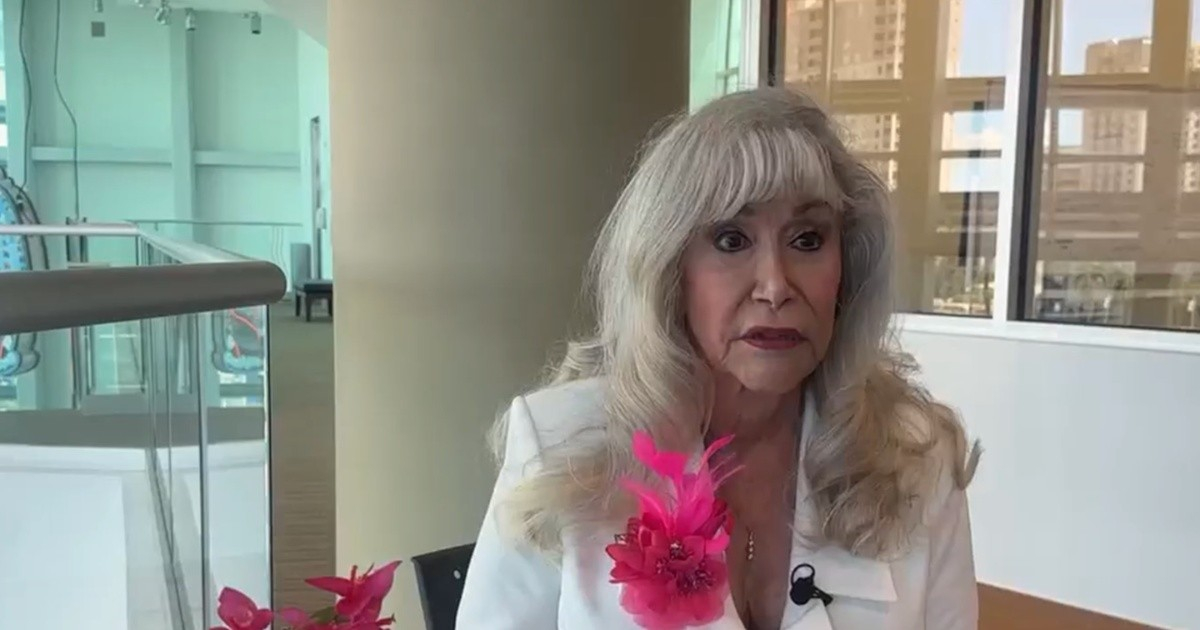
The work, titled «It's Hard to Kill a Bougainvillea: From Slavery to the American Dream», was written by the Tampa author Sylvia A. Alvarez, who narrates the life of her mother, known as “Chelo,” as a testament to resilience and hope for immigrant communities.
"I realized that his story was important and needed to be told. It had to give hope to people," declared Alvarez.
Chelo's life began marked by one tragedy after another: at the age of four, she witnessed her mother's death, and her father abandoned her and her sister, leaving them sleeping under a staircase and suffering from hunger. When her father returned, he sold Chelo as a servant to a wealthy cane plantation owner, where she worked as a nanny and domestic worker for years.
His opportunity to escape came when the family traveled to New York. As they entered the harbor and saw the Statue of Liberty, Chelo understood what that monument represented. One night, he filled a pillowcase with fruit and fled to the streets of the city, without speaking English and without a penny to his name.
Over time, the woman who had escaped with just the clothes on her back became the owner of a sportswear factory, a real estate developer, and a successful businesswoman, and she went on to march alongside Reverend Martin Luther King Jr. in defense of civil rights.
Alvarez chose the title in reference to the bougainvillea, a plant known for surviving in the harshest conditions, as a symbol of his mother's determination.
The Alvarez family history is deeply intertwined with that of Tampa. Her father was born in the city to a family connected to the tobacco industry, moving between Key West, Havana, and Tampa. “The family traveled from Key West to Havana and to Tampa, always following the cigar trade,” the author recalled.
The historian from the Rodney Kite-Powell center framed the book within that broader legacy: Cuban, Spanish, and Sicilian immigrants who arrived in the late 19th century drove the growth of Ybor City in the 1880s and West Tampa in the 1890s, transforming the cultural identity of the city. At its peak, the area boasted over 200 tobacco factories and around 10,000 workers.
"Those immigrants who arrived here starting in the 1880s in search of a new life really helped to create an entirely new culture," noted Kite-Powell.
For Alvarez, preserving the memory of his mother is also a way to keep alive the experience of generations affected by migration and family separation, a reality that remains current for those with loved ones in Cuba, where the economic crisis—marked by blackouts and shortages of food and medicine—shows no signs of relief under the dictatorship.
Her vocation for helping families access their own homes was born from watching her parents build their first home in America when she was nine years old and served as a translator. Today, she directs the Housing and Education Alliance, an agency certified by the U.S. Department of Housing and Urban Development that has served over 57,735 residents of the Tampa Bay area and facilitated more than 163 million dollars in loans and housing assistance since 2002.
"America is a tapestry of souls," Alvarez concluded. "And I am very proud of it, very proud of my Cuban heritage, very proud to be American."
Related videos:
Filed under: