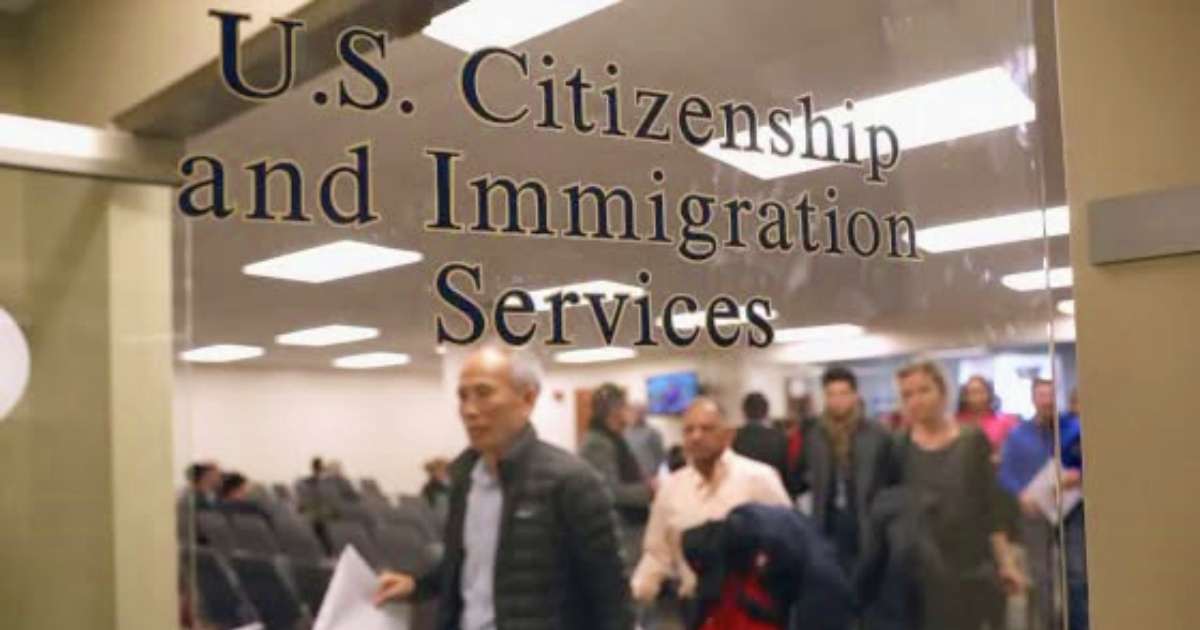
The backlog in naturalization applications in the United States has reached critical levels: by the end of the third quarter of fiscal year 2026, USCIS had 727,371 pending N-400 forms, with an average waiting time of 9.5 months for non-military cases, according to the official data published by the agency.
The figures for the period from April to June 2026 reveal the structural cause of the problem: the agency received nearly 146,000 new applications during the quarter, but resolved only about 70,500, roughly half of what was submitted.
Of those resolutions, 57,697 were approvals and 12,842 resulted in denials. As noted by Boundless Immigration in its weekly summary, "applications are coming in significantly faster than USCIS is completing them."
The situation worsened even further in the following months. In July 2026, the agency completed only 20,674 naturalizations, compared to 80,077 in the same month the previous year, marking a 74% year-over-year decline.
By that time, the total number of pending N-400 applications had climbed to about 778,000, of which approximately 485,000 had been unresolved for more than six months.
A political factor exacerbated the backlog. At the end of April 2026, USCIS activated the FBI’s Next Generation Identification (NGI) background check system, which mandated the resubmission of fingerprint records for millions of applicants, temporarily halting the adjudication of cases.
The measure stemmed from an executive order by the Trump administration in February 2026. According to an analysis by the American Immigration Lawyers Association (AILA), this fingerprint forwarding process could increase naturalization processing times by 46% nationwide.
For the Cuban community, the impact is especially significant. Thousands of Cubans who arrived during the migration boom of 2022-2023 —many under the CHNV humanitarian parole program, which allowed the entry of approximately 110,240 Cubans— obtained their permanent residency through the , which requires only one year and one day of physical presence.
Those who regularized their status in 2022 or 2023 are now approaching the five years of permanent residence required to apply for citizenship.
This is joined by the additional motivation created by the tightening of immigration policies: in the face of deportations, status reviews, and the cancellation of CHNV parole, many Cubans with permanent residency seek naturalization as a definitive shield against possible changes in immigration policies.
Citizenship provides a level of protection that permanent residency does not guarantee in all cases.
The preceding context is also significant. In December 2025, the Trump administration paused the citizenship and residency processes for nationals of 19 countries, including Cuba, leading to months of uncertainty.
Although USCIS confirmed in July 2026 that it was lifting the final adjudication suspensions for Cubans and Venezuelans, the backlog remains.
From a practical standpoint, the current cost of the N-400 is $760 for paper applications and $710 for online submissions, with a reduced fee of $380 for those who qualify.
DHS proposed in June 2026 to raise those fees to $1,330 and $1,280 respectively, although the proposal is not yet in effect. Meanwhile, new USCIS fees will take effect on October 16 for other immigration processes.
Applicants with cases delayed beyond the time published by USCIS for their office may submit an online service request.
In cases of unreasonable delays, some lawyers recommend considering a federal mandamus lawsuit to compel the agency to act, although experts advise consulting with an immigration attorney before taking any legal action.
Related videos:
Filed under: