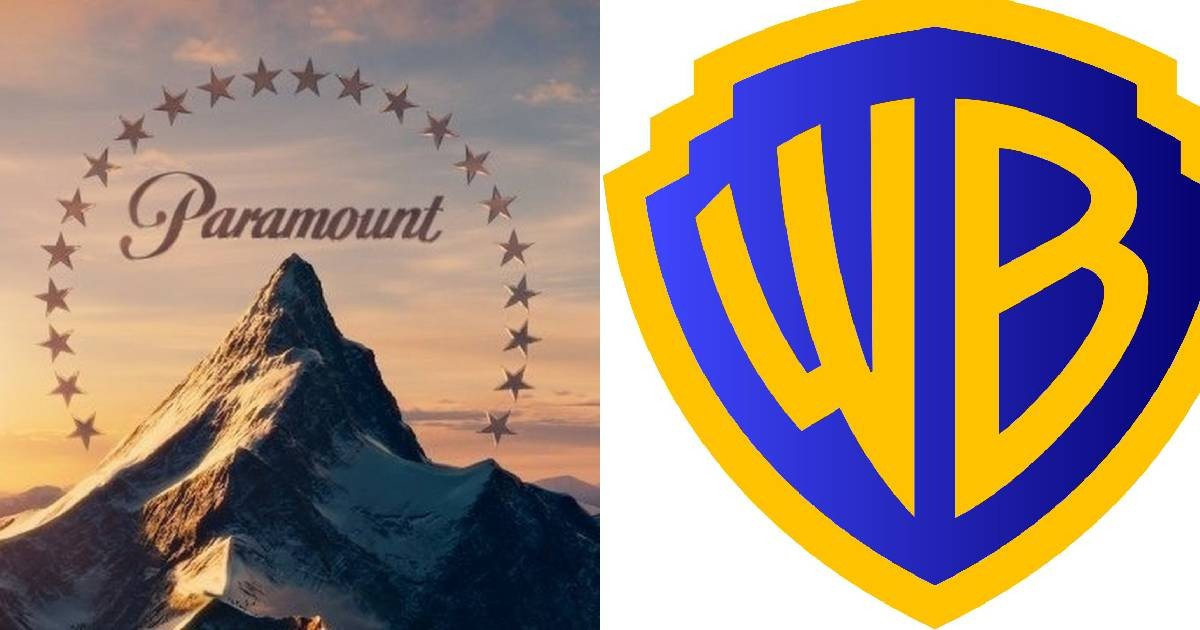
Paramount Skydance completed the acquisition of Warner Bros. Discovery on Tuesday for a value of 110 billion dollars, giving rise to a global entertainment giant that will operate under the new corporate brand Skydance and brings together two studios, each with over a century of history, under one roof.
The operation, formally announced in February 2026 after an intense dispute in which Netflix offered $82.7 billion for Warner Bros. Discovery before withdrawing its bid, received unanimous approval from regulatory authorities in nearly 70 jurisdictions worldwide.
David Ellison, President and CEO of Skydance, described the closing of the deal as an unprecedented moment for the industry: "From the beginning, our ambition was to bring together these two legendary studios and create a stronger competitor, with the talent, resources, and reach to tell great stories across all genres, on all platforms, for audiences everywhere. Now that ambition is a reality."
The shares of the new company began trading this Tuesday on the New York Stock Exchange under the symbol SKYD, while Warner Bros. Discovery's stocks ceased operations on NASDAQ. WBD shareholders received 31.01 dollars in cash for each share.
The resulting conglomerate brings together franchises of significant cultural weight: from Paramount come Top Gun, Mission: Impossible, Indiana Jones, and Shrek; from Warner Bros. arrive Harry Potter, Game of Thrones, The Lord of the Rings, and the DC studios.
This is complemented by two global streaming services, the CBS network, HBO, CNN, Comedy Central, Nickelodeon, and a content library that reaches over 200 million subscribers worldwide, with revenues close to 70 billion dollars.
Ellison appointed Ynon Kreiz —previously the CEO of Mattel— as co-CEO to oversee daily operations and integrate the combined businesses. Casey Bloys, who led HBO and Max Content, will take on the role of co-chairman and head of content for the direct-to-consumer platforms.
The path to the closure was not without turbulence. A coalition of 12 state attorneys general, led by California Attorney General Rob Bonta, filed a lawsuit to block the operation, arguing that it would harm competition.
The agreement reached in September imposes strict conditions: the company must release at least 30 films per year, invest 300 million additional dollars annually in film production in the United States, and establish an editorial independence council of five members within 180 days to oversee the news coverage of CNN and CBS News.
The concern for the journalistic independence of both media outlets was one of the focal points of public debate, partly because Ellison hosted a dinner for President Donald Trump, who described the merger as "great" after its conclusion: "They are wonderful people and it’s going to be a great company."
Analysts warn, however, that enthusiasm must be measured against financial reality. Dan Coatsworth, head of markets at AJ Bell, stated that "the combined entity, now called Skydance, needs to cut costs and generate higher profits to reduce debt to manageable levels," and he recalled that Digger, Warner Bros.'s last release before the shutdown, "was a resounding failure, a reminder that the film industry does not guarantee wealth."
Skydance aims to achieve at least $6 billion in annual synergies within three years and generate over $10 billion in free cash flow by 2030, with the goal of reducing its net leverage to 3.0 times EBITDA before the end of that year.
Related videos:
Filed under: