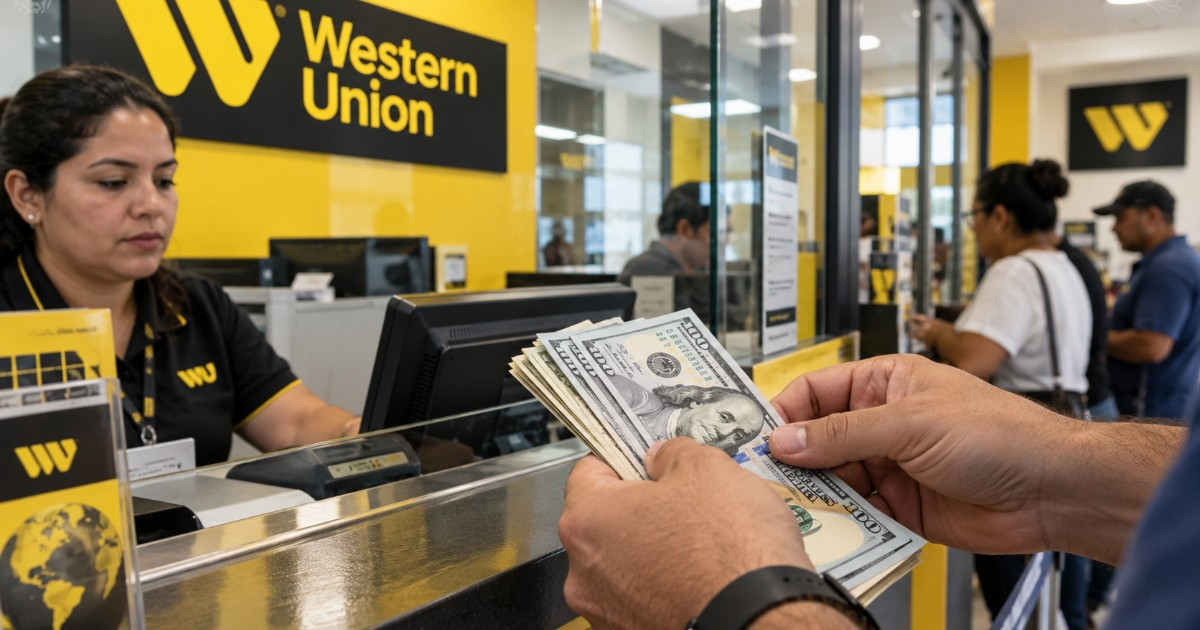
The U.S. Department of Justice announced on October 7 the third and final phase of a compensation program for individuals who lost money in scams carried out through Western Union transfers. Potentially eligible victims have until December 31, 2026 to file a claim.
The initiative allows for the recovery of money sent under false pretenses between January 1, 2004, and March 9, 2020. It is not a general refund for all Western Union customers: the transfer must be related to the fraud covered in the procedure, and the request will be reviewed before any payment is approved.
According to the official statement from the Department of Justice, Western Union agreed in 2017 to pay 586 million dollars after acknowledging criminal conduct related to violations of anti-money laundering regulations and facilitating fraud through transfers. Authorities have previously distributed over 436.9 million dollars to more than 180,000 victims.
Who can claim money?
Anyone who has sent a transfer via Western Union during the specified period and has lost money due to a scam related to the case may submit a claim. The program's FAQs clarify that transfers made inside or outside of the United States are considered.
It is not necessary to be a U.S. citizen or to live in the United States to submit a petition. This detail is important for immigrants and Cubans who have been victims of fraud through this service. If you do not have a Social Security Number (SSN) or an Individual Taxpayer Identification Number (ITIN), the form includes an option for applicants who are not U.S. citizens.
Among the scams described by the authorities are individuals posing as relatives in urgent need of money, fake notifications of prizes or lotteries that required an upfront payment, and fictitious romantic relationships online used to request transfers.
How to request a refund from Western Union
1. Access the official portal. The site authorized by the Department of Justice is WesternUnionRemissionPhase3.com. From there, you can access the electronic process, download forms, and consult the frequently asked questions.
2. Check if a letter has arrived. The administrator has sent forms with information about their losses to some victims. Those who received a notification can use the Claim ID and the PIN included in the letter to manage their claims online. Those who have not received a letter can also initiate an electronic claim or download a blank form from the case documents section.
3. Gather the documentation. It is advisable to keep the receipts and proof of transfers, data regarding the transaction, and any available information that explains the fraud. The transfer control number, known as MTCN, consists of ten digits and can be found on the printed receipt or in the electronic confirmation of the shipment.
4. Submit the application before the deadline. The form can be sent via the official platform or by postal mail. For mail submissions, the postmark must be dated on or before December 31, 2026. Requests and supporting documents are not accepted by email.
The postal address provided by the administrator is: United States v. The Western Union Company Phase 3, P.O. Box 301132, Los Angeles, CA 90030-1132. The official instructions specify that copies of the supporting documents should be sent, not the original documents.
What happens if you no longer have the receipts?
The program portal indicates that it is possible to request a copy of the receipt from Western Union using their transfer history form. It also cautions that the company's record retention period is ten years, meaning that documentation for older transactions may not exist.
In those cases, the official recommendation is to present the receipts or supporting documents that are still available. Not having an old receipt should not be confused with an automatic approval of the claim.
What if you have already claimed or received a payment previously?
Those who participated in the previous phases and received compensation can only submit new requests for additional transfers that were not included before. The administrator clarifies that some claims that were rejected solely because the operations fell outside the previous period were reviewed when coverage was extended to March 2020, without the need to resubmit the same transfers.
If a person believes they have pending additional transactions, they should check the specific instructions in the official FAQ section before starting another request.
How much money can be recovered?
There is no identical amount for all those affected, nor is there a guaranteed payment for submitting a claim. The Department of Justice compares the information provided with available records and determines the recognized loss. The final amount may correspond to a portion or the entirety of the approved loss, deducting any refunds received previously.
The process includes the money transferred due to fraud, but does not cover Western Union fees, additional expenses, or transfers made through other companies. The administrator has also not announced a fixed payment date for all new requests.
Beware of false promises of refunds
The process is free of charge and does not require hiring a lawyer. The Department of Justice and Verita Global, the company that manages the claims, warn that they will never ask for money to participate. Be wary of calls, messages, or websites that demand payment of a supposed fee to release the compensation.
To resolve any questions, the program provides the official phone number 1-833-419-4677 and updated information from the third phase portal.
Does it apply to remittance shipments to Cuba?
The program does not allow claims simply for having sent money to family in Cuba, nor is it related to the interruption of the remittance service. As CiberCuba reported when Western Union suspended its remittances from the United States to the island in February 2025, that measure was due to a different regulatory context.
The announced compensation now solely pertains to losses due to fraud associated with transfers made between 2004 and March 2020. A Cuban individual, whether inside or outside the United States, can check their potential eligibility if they were a victim of such a scam, but neither nationality nor an ordinary remittance is sufficient to qualify for a payment.
Related videos:
Filed under: