The Cuban Deputy Minister of Foreign Affairs, Carlos Fernández de Cossío, described the U.S. policy of intercepting ships carrying fuel intended for Cuba and pressuring third countries not to trade with the island as illegal.
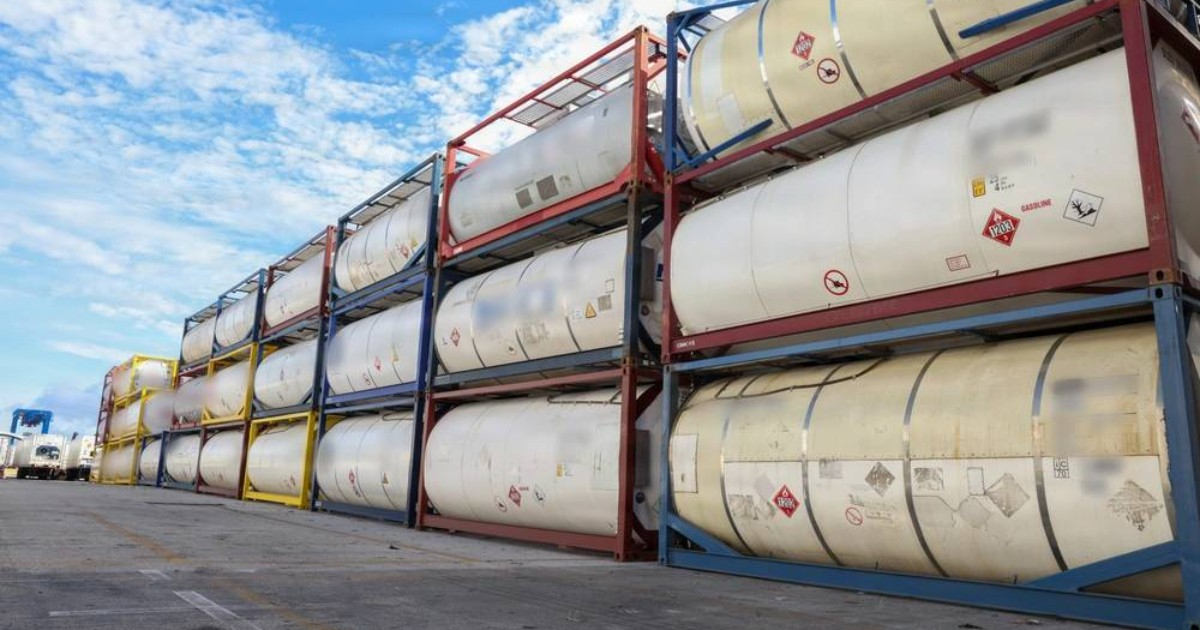
The statement arrives on the same day that U.S. authorities announced the seizure of over 620,000 gallons of biodiesel spread across 90 shipments held in Port Everglades, Florida, and in Houston, Texas, all intended for ENETEC S.A., the Cuban state-owned wholesale fuel company sanctioned by the U.S. Department of the Treasury in July of this year.
Fernández de Cossío argued in a publication shared this Wednesday on Facebook that importing, storing, distributing, and selling fuel in Cuba is perfectly legal according to national legislation and international law, and that the same applies to transportation in international waters.
"What is illegal is to intimidate sovereign states with threats of retaliation from the U.S. government if they export fuel to Cuba or to exporting or transporting companies from any country for engaging in such commercial operations," the diplomat wrote.
The deputy minister went further by equating the interceptions with acts of piracy: "It is illegal to harass and intercept vessels carrying fuel to Cuba in international waters, just as piracy and looting are illegal."
The operations that triggered the response from the Cuban regime have been accumulating since the middle of the year. In June, the U.S. Coast Guard detained the M/V Jaira Provider in the Caribbean with approximately 210,000 gallons of diesel in ballast tanks destined for Cuba; a subsequent report recorded nearly 195,272 gallons of hydrocarbons in unauthorized spaces on the vessel.
In September, the same agency boarded the M/V Grace in the Caribbean Sea, between Cuba and Mexico, and escorted it to Progreso, Yucatan, where the Mexican Navy confirmed fuel in ballast tanks and containers.
Both vessels were linked to the so-called "dark fleet," a network of ships that hide their cargo and route to evade sanctions.
The estimated value of the 620,000 gallons of biodiesel seized this Wednesday is around 2.8 to three million dollars. So far, no formal charges have been announced, nor have the individuals responsible for the shipping scheme been publicly identified.
This escalation is part of a broader energy offensive by Washington against Havana.
In June, Secretary of State Marco Rubio announced sanctions against CUPET, the Cuban state oil company, blocking its assets in the U.S. and prohibiting transactions with the company, arguing that the regime uses energy resources to finance internal repression.
Fernández de Cossío has been the most active diplomatic voice of the Cuban government in denouncing these measures, and has stated that their impact exceeds $5 billion annually in damages to the island's economy, with direct consequences on electricity generation, healthcare, water supply, transportation, and food production.
The deputy minister concluded his statement with an unequivocal condemnation: "It is illegal, immoral, and criminal to subject an entire population to economic suffocation as a form of collective punishment for political purposes."
Related videos:
Filed under: