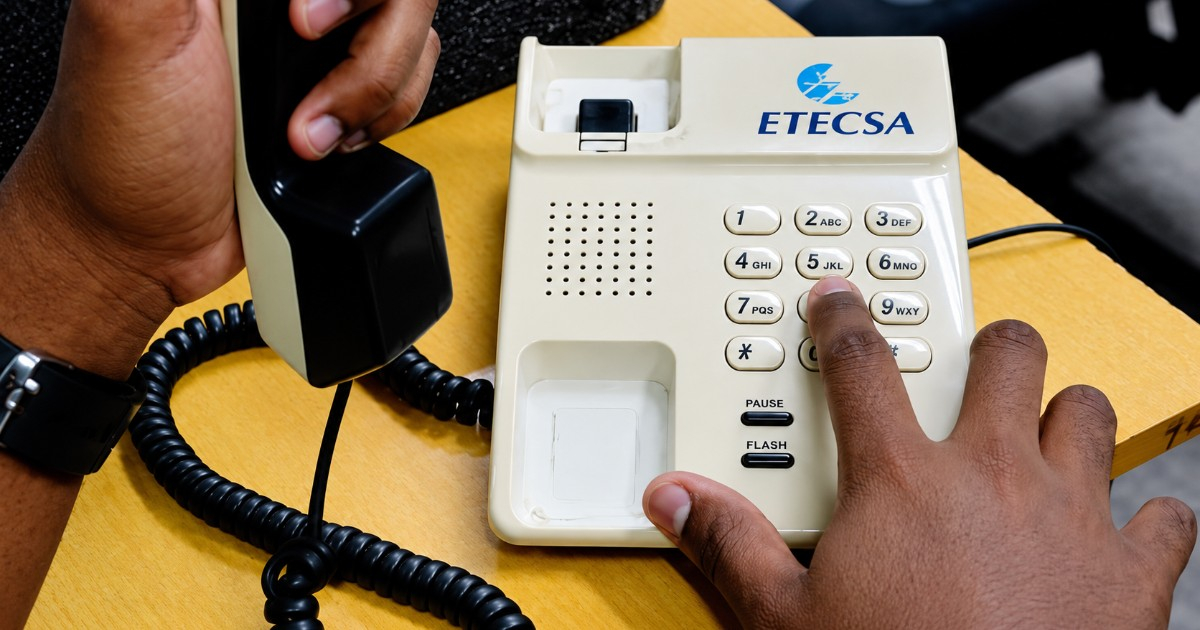
A telephone scam based on false parcel deliveries is raising alarms in Cuba once again, this time with reports from Sagua la Grande, Villa Clara, where criminals are using calls to landlines or mobile phones to attempt to drain bank accounts through Transfermóvil.
According to information published by Radio Sagua, scammers pose as intermediaries for agencies that supposedly manage packages sent from abroad, usually containing food or medication.
The key to the scam lies in a supposed "code" that the victim must enter into Transfermóvil to confirm the delivery.
The criminals instruct to open the app, go to the transfers section, enter a card number, and write that code in the field corresponding to the amount.
The issue is that the supposed code is actually an amount of money. If a person writes, for example, "00012000", the application interprets it as 12,000 pesos and processes the transaction as a real transfer.
Once the money is sent, communication usually ends, and the victim finds out that the supposed package transaction never existed.
A neighbor identified as Camila Fonseca Fernández reported that she received a call in which the interlocutors claimed to work for Cubamax and even provided the name and identity card number of a supposed employee to lend credibility to the conversation.
"They pretended to be employees of Cubamax, gave me the name and ID of an alleged worker, and asked me to go into Transfermóvil and enter a code in the amount," she explained.
The woman suspected the operation and led them to believe that the transfer could not be completed because she didn't have enough balance. According to her, the interlocutor reacted swiftly by offering her another supposed code.
The scammer requested a new code in seconds, and that was when I couldn't take it anymore. I told them that the ones who would be waiting were them, but the card was blocked by the police," he recounted.
The warning from Sagua la Grande does not occur in isolation. In April, several clients of the Banco Popular de Ahorro in Sancti Spíritus reported money losses through an identical modality: calls from supposed shipping agencies and false codes entered as amounts in Transfermóvil.
Days later, a Cuban woman reported that they tried to convince her to write "00005999" within the application, which would have generated a transfer of 5,999 pesos. The woman recognized the scam before sending the money.
That same month, there were also reports of phone calls to landlines during the early morning, where scammers posed as messengers and announced packages from abroad to obtain personal information and secure transfers.
In June, another case revealed the extent of the fraud: a family reported the loss of over 104,000 CUP after scammers used real shipment data to convince a woman to enter successive "codes" in Transfermóvil.
Older adults are among the groups most exposed to this type of scam. Food Monitor Program and Cuido60 have warned that difficulties in managing digital tools, along with the dependence on packages and assistance sent by emigrated relatives, increase their vulnerability to calls that seem to address urgent needs.
Related videos:
Filed under: