
Related videos:
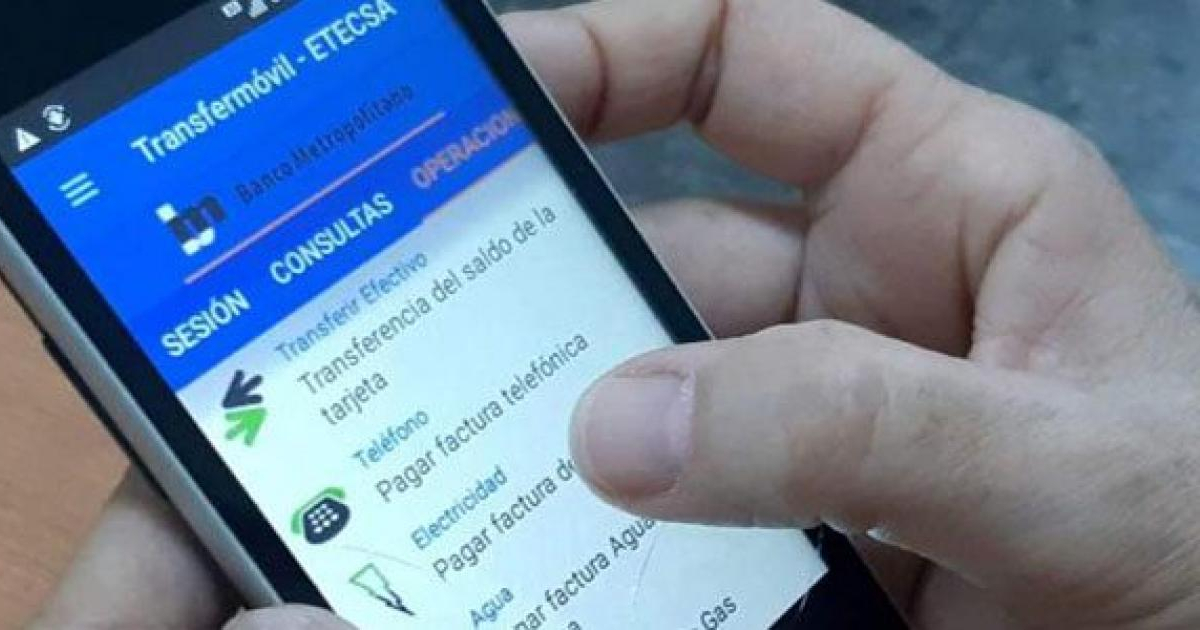
Several individuals have arrived in recent days at branches of the Banco Popular de Ahorro (BPA) in Sancti Spíritus reporting that money is missing from their cards operated through Transfermóvil, victims of a scam where criminals impersonate representatives of package delivery agencies from abroad.
Yamila Acosta Meneses, Communication and Marketing specialist of the provincial office of BPA, confirmed to the local official newspaper Escambray that in most cases it has been about scams related to the shipment of packages from abroad.
The mechanism of the fraud is technically calculated: a supposed representative of the agency calls the recipient of the package and informs them that the shipment is paid, but they need to "rectify" that payment. As explained by the head of Electronic Banking at BPA in Sancti Spíritus, they ask the person to access Transfermóvil, authenticate, and in the transfer section enter the account number they provide, and instead of the amount for the transfer, they should enter a supposed code.
"First of all, we want to alert our clients and all users of the Transfermóvil application. If you enter the transfer option, what you will be doing is transferring money from your account to another; you will not be confirming payments or anything of the sort," the official warned.
"The supposed code they ask you to enter in the space for the transfer amount is nothing more than a number preceded by some zeros. What happens is that the platform does not recognize those leading zeros. If we write 00012000, the application interprets it as 12,000.00 pesos," he added.
Regarding how scammers obtain the victims' information, one of those affected speculates, “When packages arrive at the house through one of these agencies, they always have a piece of paper on the outside with all our details, including our address, phone numbers, and more. Who knows how many hands those parcels pass through? Anyone could take a photo of them, and from there, potential victims can be identified.”
This type of scam is part of an expanding ecosystem of digital fraud that takes advantage of citizens' trust in official banking platforms and the expectation of receiving transfers from abroad.
One of the most concerning responses to these reports has been the attitude of some authorities, who at times have suggested that the victim is to blame, not the scammer, a stance that has generated outrage among the victims.
However, in other cases, law enforcement has managed to capture those responsible, recovering 230,000 pesos stolen through similar modes of identity theft and manipulation of digital payment platforms.
Another common scam: Identity theft
In early March, a Cuban publicly reported on social media that she had been the victim of a bank transfer scam, in a case that highlights one of the most widespread frauds on the island: digital identity theft to steal money through Transfermóvil.
"I was scammed, and I’m here to tell you about it so it doesn’t happen to you," Fla Gaché said in a video posted on February 26 on Instagram, where she detailed how the deception occurred and warned other Cubans about the danger.
According to his account, he received a text message from someone he knew from his neighborhood, who asked him for help making a transfer because he was in a place that only accepted that payment method.
The trust generated by knowing that person was the deciding factor. "It turns out that a girl I know, who is actually from the place where I live, wrote to me saying that she had seen I posted that I needed to withdraw money from the card," she explained.
The victim hurriedly made the transfer, partly because in her area the internet connection is interrupted during blackouts, preventing her from verifying the situation calmly. After completing the transaction, she called her acquaintance, who confirmed that her number had been hacked and that it was a scam.
The modus operandi follows a documented pattern in Cuba: scammers gain access to others' accounts using a technique known as "Ghost Pairing," which involves deceiving the phone owner into sharing a verification code, allowing the account to be linked to another device without the person noticing.
Once inside, they contact the acquaintances of the impersonated victim and request urgent transfers.
Filed under: