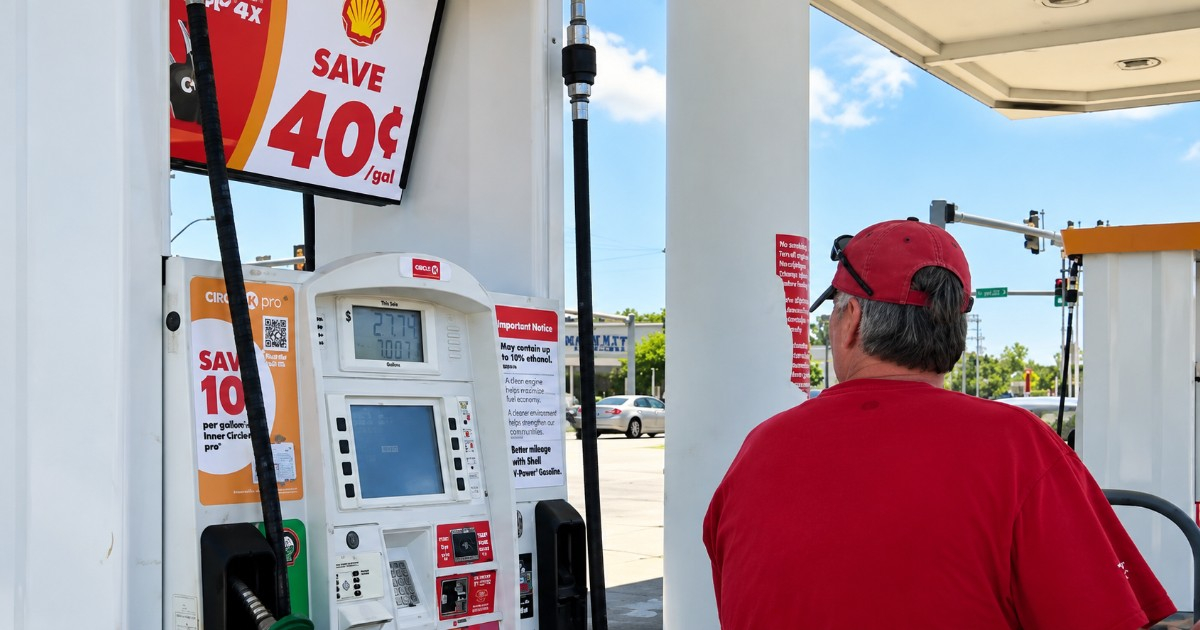
Inflation in the United States accelerated again in September 2026, reaching 3.7% year-on-year, mainly driven by the significant increase in gasoline prices, a rise that adds pressure to the cost of living for millions of households, including those of the Cuban community residing in Miami and other cities across the country.
The Consumer Price Index (CPI) rose by 0.6% monthly, adjusted for seasonal factors, compared to the 0.4% recorded in August, according to the official report released this Wednesday by the U.S. Bureau of Labor Statistics (BLS).
In year-on-year terms, inflation increased from 3.4% in August to 3.7% in September, an acceleration of three-tenths of a percentage point.
Gasoline was the main factor behind the increase. Its price index rose by 9.1% in September, seasonally adjusted, and accounted for more than half of the monthly increase in the overall index, according to federal data.
The rising cost of fuel is particularly significant for families who rely on their cars to commute to work, take their children to school, or carry out their daily activities.
However, the national increase of 9.1% does not mean that gasoline has risen by exactly that percentage in all cities or gas stations.
In Florida, for example, drivers had already experienced pressures on fuel prices in the weeks prior.
On September 22, gasoline reached its highest level since May in the state, reflecting a rise in prices that directly impacted those who use their vehicles daily.
The September report confirms that the pressure on fuels was not an exclusively local phenomenon. The national energy index rose by 5.2% month-over-month, following a 2.1% increase in August.
In comparison to September 2025, energy prices have risen by 20.4%, one of the most significant changes among the main components of the CPI.
Housing also contributed to the increase in the cost of living. The housing index, which includes rents and other components of housing costs, rose by 0.4% monthly in September, compared to 0.3% in August.
For Cuban households living in Miami, spending on housing represents a particularly significant concern due to the high prices of the local real estate market.
A report released earlier this month ranked Miami as the sixth most expensive city in the United States to rent a one-bedroom apartment, with a benchmark price of $2,500 per month, although this market had recently experienced declines.
This reality illustrates the challenges that families may face when trying to balance rent payments with transportation, food, and other essential service expenses.
However, the 0.4% increase in the national housing index should not be interpreted as a corresponding rise in rents in Miami.
In contrast to gasoline and housing, food prices showed a more stable trend during September.
The overall food index remained unchanged from August, while the prices of products purchased in supermarkets decreased by 0.1% monthly, according to the BLS report.
This does not mean that all food products became cheaper, but rather that the average for that category saw a slight reduction. Price movements can vary considerably among meats, dairy products, fruits, vegetables, and other commonly consumed items.
For its part, dining out continued to become more expensive. The index of food consumed in restaurants and other establishments increased by 0.2% monthly.
In year-on-year terms, food prices rose by 2.5%, indicating that although the overall average remained stable during September, consumers are still paying more than they were a year ago.
Another relevant indicator is the so-called core inflation, which excludes the prices of food and energy to provide a measure less affected by fluctuations in those two sectors.
This index increased by 0.3% month-on-month in September, the same variation recorded in August. However, its year-on-year rate rose from 2.4% to 2.6%, indicating that inflationary pressures were not limited solely to gasoline.
Among the categories that recorded monthly increases were recreational activities, used cars and trucks, education, airline tickets, healthcare, and clothing.
In contrast, the communications index was among the few main categories that experienced a price decrease during September.
The acceleration of inflation represents a shift from previous months. In June 2026, the data concerning the rising cost of living had already caused concern about the pressures on family budgets.
The results for September show that these pressures persist, although there are significant differences among the products and services consumed by households.
For Cuban families established in the United States, especially those facing high rents and daily commutes by car, the combination of housing and fuel can represent a significant portion of their monthly expenses.
However, the report published this Wednesday reflects the national average for urban consumers and does not provide a specific measurement of how much a family's expenses have increased in Miami or in another location in Florida.
The next CPI report, covering October 2026, is scheduled for November 10, when it will be revealed whether pressures on fuels and other everyday expenses continued during the new month.
Related videos:
Filed under: