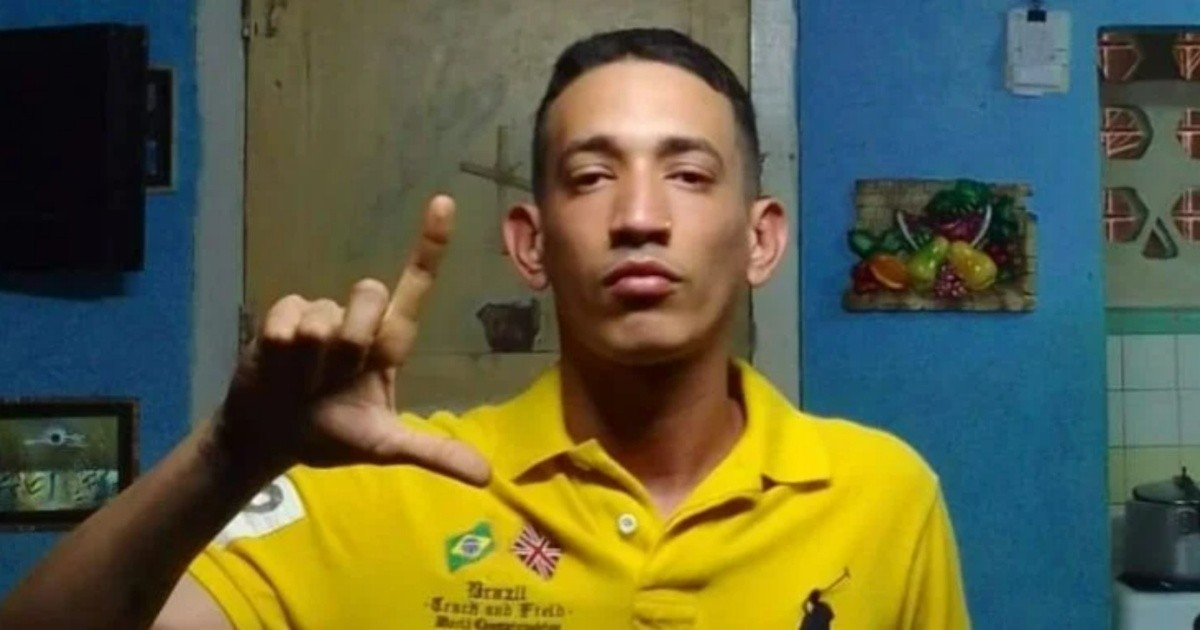
The political prisoner Marcos de la Luz Caballero Granados reported that he has been working in agricultural tasks for over five months at prisoner camp number 16, near the El Pitirre prison, in the Havana municipality of San Miguel del Padrón, without having received any salary.
He declared this over the phone on October 7, according to a report by CubaNet published this Wednesday and authored by journalist Gladys Linares.
Caballero Granados was transferred to Camp 16 on March 26, 2026, from the Los Caneyes camp in Villa Clara. Since April 21, he has been working as an agricultural laborer in the organoponic farm of the facility, where bananas, beans, cucumbers, cassava, and avocados are grown, with work hours from 7:30 a.m. to 4:00 p.m. without a snack break.
According to his testimony, the salary for the first two months of work was just over 2,000 Cuban pesos, and then rose to nearly 3,000 pesos per month. However, he stated that he has not received any payment since he started working at that center. There is no independent verification of these claims nor an official response regarding this matter.
The inmate emphasized that nearly all the other prisoners are in the same situation of non-payment, but refusing to work leads to reprisals: losing the monthly pass, being transferred to a unit where, as he claimed, drugs are prevalent, or even being placed under a regime of maximum severity.
Regarding the food conditions, Caballero Granados described a lunch consisting of about 80 grams of rice accompanied by a dough that appears to be wheat flour mixed with water, and as a drink, diluted jam in water. He noted that sometimes the food arrives in poor condition, causing stomach issues that the military attribute to a virus.
Regarding breakfast, the prisoner recounted: "They have been serving bread for two days (brought in from outside bakeries), but since it's almost never possible to make bread due to the lack of electricity, what they give the most is a roll that feels like a rock."
Caballero Granados also indicated that the crops from the organoponic farm—cucumbers, green beans, avocados—are reserved for the military, and that prisoners are prohibited from taking any fruit or vegetable under the penalty of being prosecuted for theft. The guards inspect them both when they leave the camp and when they return from work.
This complaint comes weeks after the prisoner staged another protest: on August 6, 2026, he declared a hunger and thirst strike in response to a new denial of parole and the conditions of the camp itself, according to his mother, Rosa Granados Linares.
Caballero Granados was detained on February 11, 2020, at the age of 19, accused of writing posters against the Cuban government in which he requested "milk for children." He was sentenced to 10 years of imprisonment on charges that include "continuous enemy propaganda" and "continuous contempt." His case is recorded in the database of Prisoners Defenders, a non-governmental organization based in Madrid dedicated to defending individuals deprived of their liberty for political reasons.
The Cuban Prison Documentation Center recorded 79 human rights violations in Cuban prisons during September 2026, including 19 cases of inadequate food, a context that frames the conditions described by Caballero Granados from Camp 16.
Related videos:
Filed under: