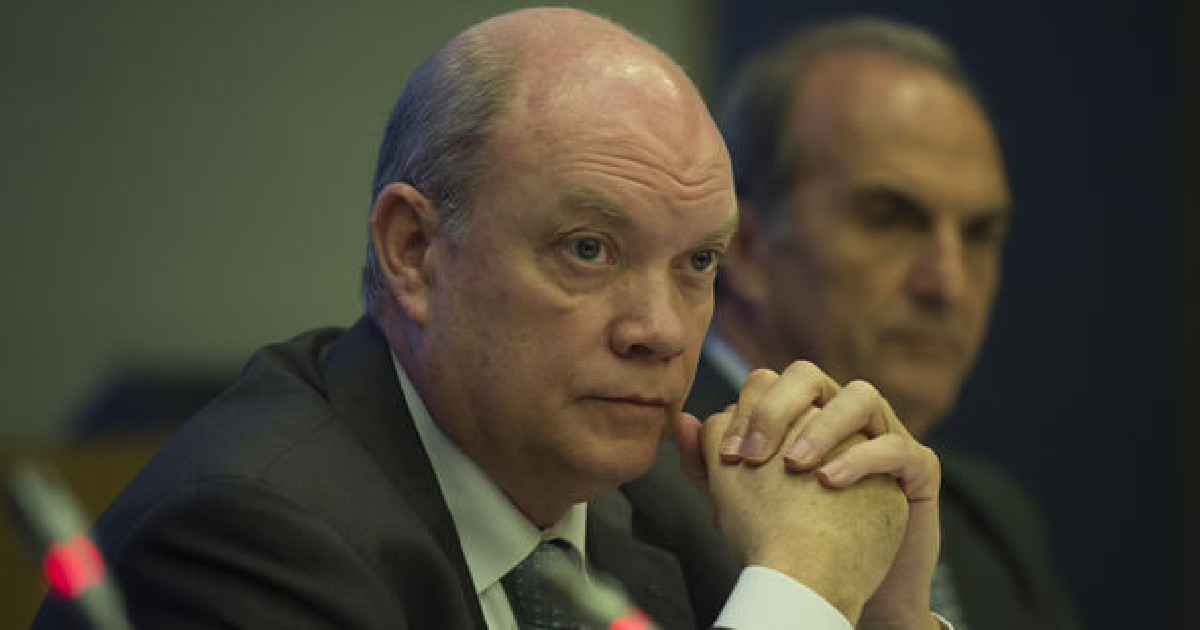
The Cuban regime made a public appeal to Canada to maintain its historical support for the annual UN resolution demanding the end of the U.S. embargo, scheduled for Wednesday the 28th, but the government of Mark Carney refused to commit its vote with a deliberately ambiguous response, according to The Canadian Press.
Rodrigo Malmierca Díaz, the regime's ambassador in Ottawa, appealed directly to Canadian loyalty: "We trust that Canada will continue to stand with us, as it has in the past." He added that the embargo "is practically killing people" and that Havana is "ready for dialogue" with Washington.
Canada's Global Affairs response —the ministry responsible for the country's diplomatic relations— has been anything but a commitment. Spokesperson Thida Ith stated, "As with all UN resolutions, Canada's voting position is being considered prior to the vote."
He emphasized that Ottawa continues to urge the Cuban government to implement "necessary reforms to respect the political and economic rights of the Cuban people and to release all political prisoners."
Canadian ambiguity is not new: in July, it abstained in the procedural vote to authorize an extraordinary debate on the embargo at the UN—along with 29 other nations—breaking its usual pattern of unconditional support for Havana.
Canada is not the only historical ally that is wavering. Germany may also change its vote for the first time in 24 years: Berlin, which has supported the resolution since 2002, has also not defined its position for Wednesday, according to an official communication from its Foreign Ministry.
According to Malmierca, Washington is using threats to persuade other countries to change their votes. He stated that Cuba "is not naive" and is aware that Canada is facing its own economic pressure from the Trump administration. "This year is a particular moment due to all this aggression from the U.S. government against Cuba," he said.
From the other side, the U.S. ambassador to the UN, Mike Waltz, organized an event last week to highlight to the international community the political repression, corruption, and abuses of the Cuban regime.
The problems didn't start with Trump
Behind the diplomatic uncertainty lies a bilateral economic relationship that had been deteriorating even before the current pressure from Trump on the regime.
Documents obtained by The Canadian Press reveal that in February 2023, the Canadian Deputy Minister of Global Affairs met in Havana with representatives from the National Bank of Canada, the mining company Sherritt, and the hotel chain Blue Diamond, to show their support in light of Cuba's defaults. The document warned that "Canadian companies are facing increasing payment delays from Cuban buyers" and that the situation "threatens their sustainability."
In May 2026, Sherritt left Cuba due to new U.S. sanctions, with a Cuban debt of at least 277 million dollars; Blue Diamond also ceased its operations on the Island, and Air Canada suspended its flights since February due to fuel shortages for aviation. The regime attributes all these exits to pressure from Washington.
International support for the Cuban resolution at the UN is in free fall: from 187 votes in favor in 2024, it dropped to 165 in October 2025, the worst result in over three decades.
The vote on Wednesday will determine whether Canada, one of the regime’s most loyal partners for decades, finally decides to distance itself.
Related videos:
Filed under: