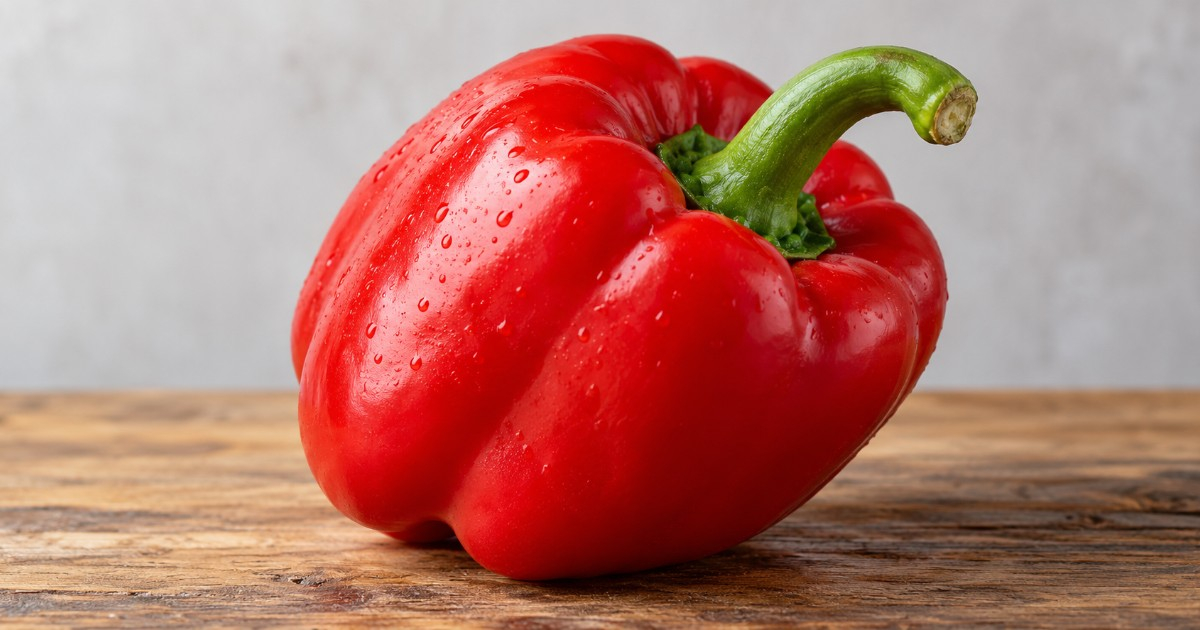
A pound of pepper at 600 pesos was the starting point for a reflection published this Sunday by José E. González Marín on the rising costs of food in Cuba and the challenges faced by those who work all month long without earning enough to meet their families' basic needs.
"In Cuba, even a pepper has become a luxury," González wrote in a Facebook post, where he questioned the gap between salaries and the prices of everyday products that used to be a regular part of the Cuban diet.
The author of the post described the frustration of getting paid after a month of work and realizing that the money barely covers food for a few days: “There is something profoundly humiliating about working for an entire month and discovering that, when it’s time to put food on the table, the money barely lasts for a few days,” he expressed.
In his reflection, he clarified that he was not talking about travel, vacations, or grand economic aspirations, but rather an elementary need: the ability to feed oneself without each purchase being a source of worry.
González chose the pepper to illustrate a situation he finds particularly painful, precisely because it is an ingredient associated with Cuban home cooking and common preparations such as sofrito and stews.
“Let’s look at an example that is both simple and painful: a pepper at 600 pesos per pound,” he pointed out. “A pepper. That humble ingredient that for generations has been a part of Cuban cuisine, that accompanied a sauté, added flavor to a stew, or completed any meal without becoming a cause for concern.”
For González, the issue is not just about the price of a vegetable, but about what it represents for people who rely on income in national currency.
"Today, seeing it at that price is much more than encountering an absurd figure. It is to contemplate, in a single product, the brutal gap that has opened up between the cost of living and what a Cuban can earn by working," he stated.
The reflection also focused on the situations faced by different sectors of the population, from state workers to retirees and families with children.
González mentioned the teachers who complete their work shifts and then have to figure out how much money they can allocate for buying food, as well as the workers who return home not knowing how they will manage their meals for the next day.
He also described retirees who compare prices before deciding whether they can purchase a certain product, aware that doing so may mean sacrificing another necessity.
“And there are mothers and fathers who learn to hide their worries in front of their children, even though inside they are desperate because they wish they could give them so much more than they can,” she wrote.
The author questioned how these difficulties have become part of everyday life, leading families to accept sacrifices that were not previously necessary as normal.
In one of the most compelling passages of his publication, he summarized his critique of the loss of purchasing power for those who live off their work: "There is nothing normal about a person working and being unable to feed themselves with dignity," he stated.
González insisted that receiving a salary does not ensure economic stability when prices force people to constantly choose between food and other essential expenses.
In that regard, she stated: "There is no dignity in having to constantly choose which need to leave unmet. There is no peace in going home with the earned salary and feeling that it is already insufficient."
González insisted that the price of peppers represents a much broader economic difficulty than the purchase of a specific product.
The problem is not just that a bell pepper costs 600 pesos. The problem is everything that price reveals about the lives of those who have to pay for it, she wrote.
His reflection concluded with a phrase about the consequences of the rising prices of basic goods: “When working is no longer enough to eat, what has become more expensive is not just food: it is the cost of living.”
The rising cost of food that González highlights is also evident in other testimonies shared on social media in recent months.
At the beginning of October, architect and entrepreneur Yulieta Hernández Díaz showcased a small onion that cost 610 pesos in Havana.
The woman specified that a pound of that product was sold for 1,700 CUP, a figure that sparked numerous reactions among Facebook users.
Days earlier, a Cuban living abroad showcased what she had spent on food during a visit to the island.
The purchase included root vegetables, bread, avocados, detergent, bananas, and meat products, with a total cost of approximately 8,750 pesos.
Another testimony, published in August, showed that the issue of obtaining food does not necessarily end when a family is able to afford it.
The content creator Sisi Aguilera reported on the prices of products such as sugar and rice, as well as the challenges of preserving food during prolonged power outages.
Official statistics also reflect the decline in purchasing power. According to the National Office of Statistics and Information (ONEI), Cuba's year-on-year inflation reached 28.44% in September, while prices have increased by 24.85% since the beginning of the year.
Food and non-alcoholic beverages were the category with the highest contribution to the monthly increase in the Consumer Price Index, accounting for 73.39% of that variation.
Related videos:
Filed under: