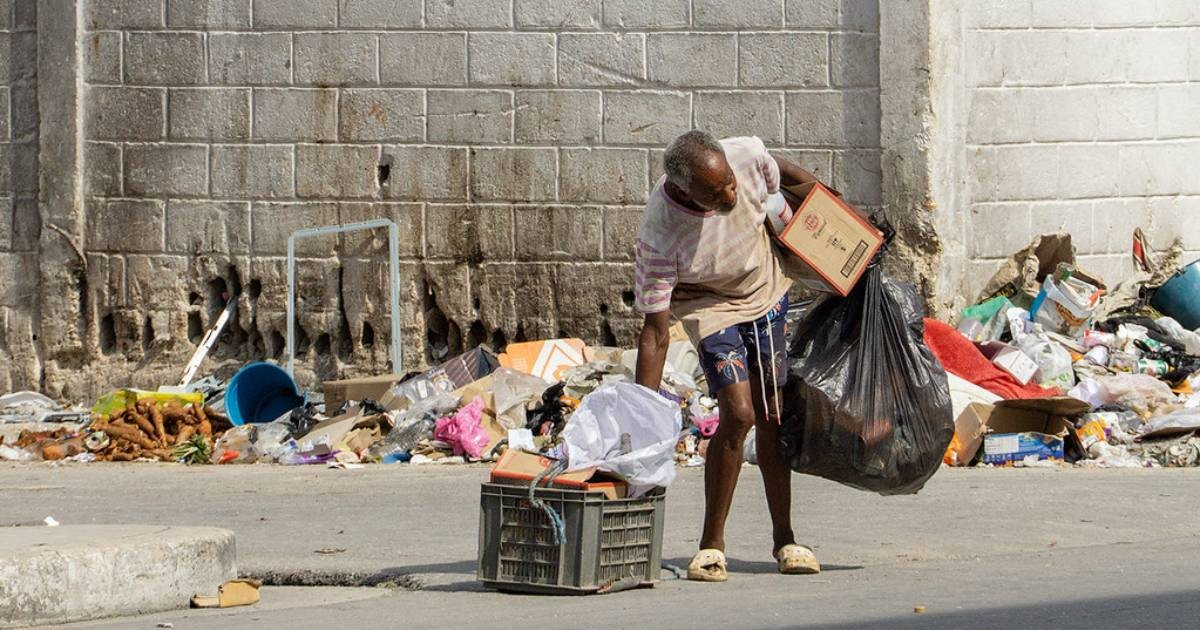
The Cuban regime estimates that it can withstand the pressure from the Trump administration and hopes that a potential Republican setback in the midterm elections on November 3 will lower Cuba's priority on Washington's agenda, while the island's population endures a crisis that cannot wait.
This is how the correspondent for CNN in Havana, Patrick Oppmann, describes it in an analysis published this Wednesday.
The strategy of Havana remains the same as always: to resist and wait for the next government. The chancellor Bruno Rodríguez Parrilla stated it clearly: "I am convinced that the policies of the United States Government have to change. With this government, with the next one, or with the one after that."
Cuban officials privately cited by Oppmann are confident that if Trump remains mired in the conflict with Iran and the Republicans lose the upcoming elections on Tuesday, regime change in Cuba may drop down on his list of priorities.
The regime's gamble comes amidst an unprecedented week of diplomatic escalation. Trump threatened at a rally in Fort Myers, Florida, to stop a warship off the Cuban coast upon returning from Iran.
Rodríguez starred in a confrontation with Ambassador Mike Waltz at the UN on Tuesday, when he attempted to interrupt his speech, and Waltz responded from the podium: “Step aside, this is not Havana.” The following day, the U.S. expelled Cuban diplomat Richard Tur de la Concepción, accused of assaulting a U.S. official during the altercation.
Washington demands that Havana open its political system and economy, allow the return and investment of exiles, and sever its alliances with Russia and China.
In parallel, Secretary of State Marco Rubio published a direct appeal on X to recruit collaborators within the regime: "To those seeking to create positive change in Cuba: this is the moment. Take this opportunity to effect the change you desire through discreet collaboration with the CIA."
The Deputy Minister of Foreign Affairs, Carlos Fernández de Cossío, responded sarcastically: "Now the U.S. resorts to public recruitment ads. There must be a lot of desperation and poverty in the agency's ranks when it has to sell its offers like toothpaste."
While the dictatorship maneuvers in international forums, the contrast within the island is brutal. Oppmann describes a gourmet store in Havana, open for the elites, where wagyu beef, Russian caviar, and Spanish olive oil are sold at prices equivalent to about 10 times the average monthly salary.
A Cuban who entered the shop looked at the price of a piece of frozen meat and asked the clerk, "That price can't be right, can it?"
On the other side, retirees like Armando Ruiz wait in line three hours before the bank opens to collect a pension of 3,900 pesos per month, which is less than five dollars at the informal exchange rate, which reached a historic high of 850 pesos per dollar this Wednesday. "It's only enough to buy a little food," Ruiz told CNN. "Sometimes you wonder: how much longer can this go on?"
The regime has announced reforms and for the first time has acknowledged that Cubans can accumulate wealth, but the majority of the population claims that only those with the right connections within the system are able to benefit.
It is no longer unusual to see women holding children and begging at traffic lights while new Audis and Teslas drive by, an unimaginable scene just a few years ago.
According to the FIU Cuba Poll 2026, published on Tuesday, 77% of Cuban-Americans in Miami-Dade supports the maximum pressure policy on Havana, and 68% will vote Republican next Tuesday, suggesting that the support for this strategy remains strong ahead of the elections that the Cuban regime is closely watching.
Related videos:
Filed under: