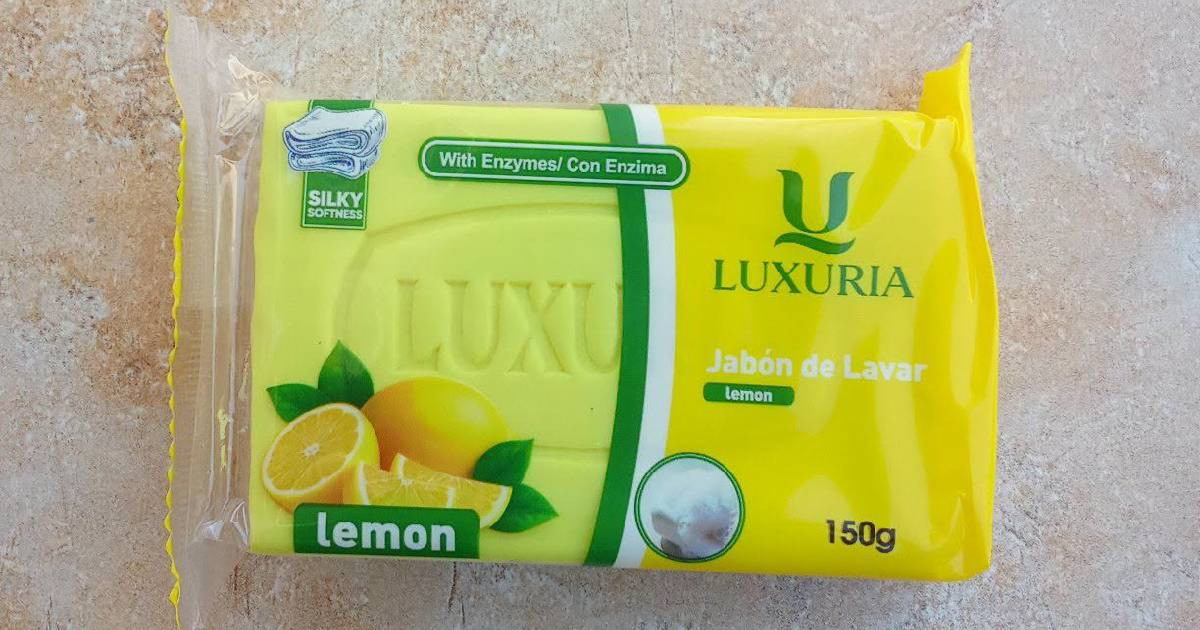
The writer and chronicler from Holguín, José Poveda Cruz, reported this Friday on Facebook that some private merchants are hoarding basic products, such as soap, to wait for an increase in demand and then sell them at higher prices.
In her chronicle "Modus operandi," Poveda recounts that she visited several establishments in the well-known City of Parks in search of essential items and found that soap, both bar and laundry, had disappeared from the shelves.
In two stores, the sales clerks responded that the product had "already been put away." The writer questioned that explanation and argued that, in reality, they had hidden it, likely waiting for the price to go up.
The chronicler described the mechanism as a speculative practice that repeats with different items. "First the product disappears, then the need arises, next the anxiety grows, and finally someone discovers they can sell it for much more," he wrote.
He also recalled that the same pattern has been observed with oil and other products that disappear from the market and reappear when consumers are willing to pay more.
After walking half the city, Poveda managed to get a 150-gram laundry soap bar for 700 Cuban pesos. The experience inspired him to coin a phrase to describe the behavior he criticizes: "candy capitalism," a system that is "rapacious, voracious, and soulless," in which, as he wrote, one's neighbor becomes a business opportunity.
The article also highlights other commercial distortions. The author found bags of coal whose contents were divided into small packets to sell separately and make more money, while imported sugar was being sold for about 1,200 pesos per kilogram.
The comments on the publication broadened the perspective with testimonies from consumers in other areas. One reader stated that in her locality, sugar reached 1,500 pesos per kilogram, a 500-gram detergent cost 1,100 pesos, milk was priced at 5,000 pesos per kilogram, and coffee had completely disappeared.
Another person stated that a bar of soap had increased by 200 pesos in just two days, while another reader mentioned finding them for 550 pesos in their neighborhood.
Several users also questioned the lack of state controls over these practices. "The state no longer interferes in these matters, it does not regulate or take action," wrote one of them. Another asked when the institutions responsible for protecting consumers would begin to fulfill their duties.
Poveda concluded his account with a reference to the 1990s, when he learned to bathe with ashes due to the scarcity of hygiene products. "One develops certain skills. Pure survival," he wrote.
Complaints arise in the context of sustained increases in the prices of basic products. The accumulated inflation in Cuba reached 24.85% during the first nine months of 2026, while food accounted for 73.39% of the monthly variation in the price index, according to the National Office of Statistics and Information.
In some of the new neighborhood markets in the province of Holguín and other provinces, the pound of chicken was recently sold for 900 pesos and a carton of eggs exceeded 3,500 pesos, an amount higher than the monthly minimum wage of 3,210 pesos.
Related videos:
Filed under: