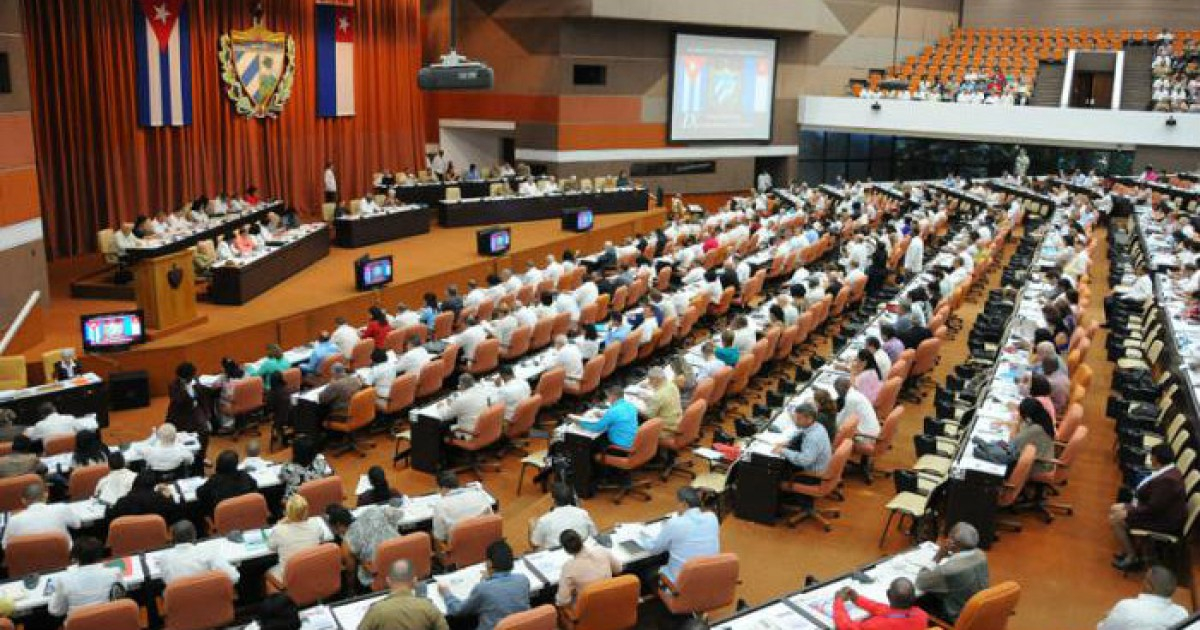
The Official Gazette of the Republic of Cuba published the updated and consolidated version of the , issued by the National Assembly of People's Power.
The regulation appeared in the , identified as GOC-2026-635-ES23.
The publication does not introduce a new law but rather a revised edition with annotations that incorporates the amendments mandated by the , approved on July 30 and published in the on November 2.
Law 134 was originally approved in 2020 to adapt the legal framework of the Council of Ministers to the 2019 Constitution, which separated the positions of President of the Republic and Prime Minister.
The current reform introduces a specific change to the composition of the body: Article 9.1 has been amended to include the minister-president of the Central Bank of Cuba as a member of the Council of Ministers, thereby elevating its head to the rank of minister within the highest executive body of the country.
Another change is that, previously, the role of vice prime minister was considered compatible with that of minister, president of the Central Bank of Cuba, or president of one of the institutes that make up the Central State Administration entities; however, now it is only compatible with the first two positions mentioned.
The procedure for resignations from the Council of Ministers has also been modified. Previously, such resignations were submitted to the Prime Minister, who then forwarded them to the President of the Republic for acceptance or rejection, and before making a decision, the President would consult the Prime Minister again. Now, upon receiving the resignation, the Prime Minister must consult the Council of Ministers and then send the document to the President, who decides whether to accept it or not, without any further consultations.
How the Council of Ministers is regulated
The regulation defines the Council of Ministers as "the highest executive and administrative body and constitutes the Government of the Republic of Cuba," based in Havana and collectively led by the Prime Minister.
Its integration includes the Prime Minister, the deputy prime ministers, the secretary, the ministers, and —following the addition— the Minister-President of the Central Bank. The number of deputy prime ministers is determined by the President of the Republic after consulting with the Prime Minister, and all members are appointed by the National Assembly or the Council of State at the President's proposal.
The law establishes that the Council of Ministers "is responsible and periodically reports on its activities to the National Assembly of People's Power" and also to the President of the Republic.
The Law 186, which prompted this update, comes into effect on November 9 and reduced the number of agencies in the Central State Administration from 27 to 21. Its Eighth Final Provision set a deadline of 30 business days from its enactment to publish the consolidated version of Law 134, a deadline that was met ahead of schedule.
Related videos:
Filed under: