A speaker, an improvisation, and some moving shoulders were all it took to conquer millions of screens. In Madrid, content creator Kevin Wai invited the Dominican artist Bulín 47 to improvise over a dembow beat. The singer responded with humor, rhymes, and infectious movements. That street encounter led to "Dame hombro," a song they both took to the studio along with producer Breyco En Producidera. Subsequently, the audience amplified the moment with dances, parodies, and digital montages.
The Dominican media outlet “El Día” reported on October 8, just six days after the event, that freestyle surpassed 72 million views on Instagram. Its expansion included recognizable faces: Messi, Cristiano Ronaldo, Donald Trump, and Benjamin Netanyahu appeared in recreations made with artificial intelligence. This does not mean they actually participated. There were also in-person contributions, such as the dance of the Dominican First Lady, Raquel Arbaje. Among genuine performances and humorous fictions, a simple scene transformed into a language shared by people from different countries.
It's not the first time this has happened. In 2012, South Korean PSY released "Gangnam Style." His horse-riding dance, with jumps and gestures mimicking holding reins, transcended languages and borders. Britney Spears, Ellen DeGeneres, and the then Secretary-General of the United Nations, Ban Ki-moon, learned the moves. The visual humor made it enjoyable without needing to understand Korean. On December 21 of that year, its music video became the first on YouTube to reach one billion views.
In 2013, "Harlem Shake" arrived, featuring music by the producer Baauer. Filthy Frank provided a precedent, and the Australian group The Sunny Coast Skate solidified the formula: one person would dance while everyone else remained indifferent; when the music changed, a cut would reveal everyone fully immersed in the craziness. LeBron James, Dwyane Wade, and Chris Bosh participated with the Miami Heat. Offices, students, and teams created their own versions. YouTube recorded 1.7 million related videos and 2.5 billion views during that year.
"Jerusalema," by Master KG featuring Nomcebo Zikode, found a new path. In February 2020, the Angolan group Fenómenos do Semba shared a choreography while holding plates and eating. During the COVID-19 pandemic, groups from various countries learned the steps and danced together. Cristiano Ronaldo and Janet Jackson helped spread its popularity; South African President Cyril Ramaphosa encouraged his fellow citizens to join in. The central element was to learn and perform a choreography collectively that conveyed joy and unity.
"Dame hombro" resembles "Gangnam Style" due to its recognizable gesture; "Harlem Shake" because of its humorous versions; and "Jerusalema" for its invitation to dance and reinterpret a song. In all three cases, just like now, the audience played a role in creating the phenomenon.
But another very famous case demonstrates how far that involvement can go when it embraces a charitable cause: the Ice Bucket Challenge of 2014.
It involved recording oneself receiving a bucket of ice water, sharing the video, nominating others, and promoting donations for amyotrophic lateral sclerosis (ALS). This disease progressively destroys the neurons that control muscles and can impede walking, speaking, swallowing, and breathing. The networks of Anthony Senerchia, Pat Quinn, and Pete Frates helped transform the challenge into a global movement. Participants included Bill Gates, Oprah Winfrey, Mark Zuckerberg, and former President George W. Bush.
I also participated in that challenge. I remember its spirit of solidarity: a simple action allowed us to support people faced with a devastating illness. The campaign raised over 115 million dollars for the ALS Association and more than 220 million worldwide. The visibility turned into resources for research, care, and hope.
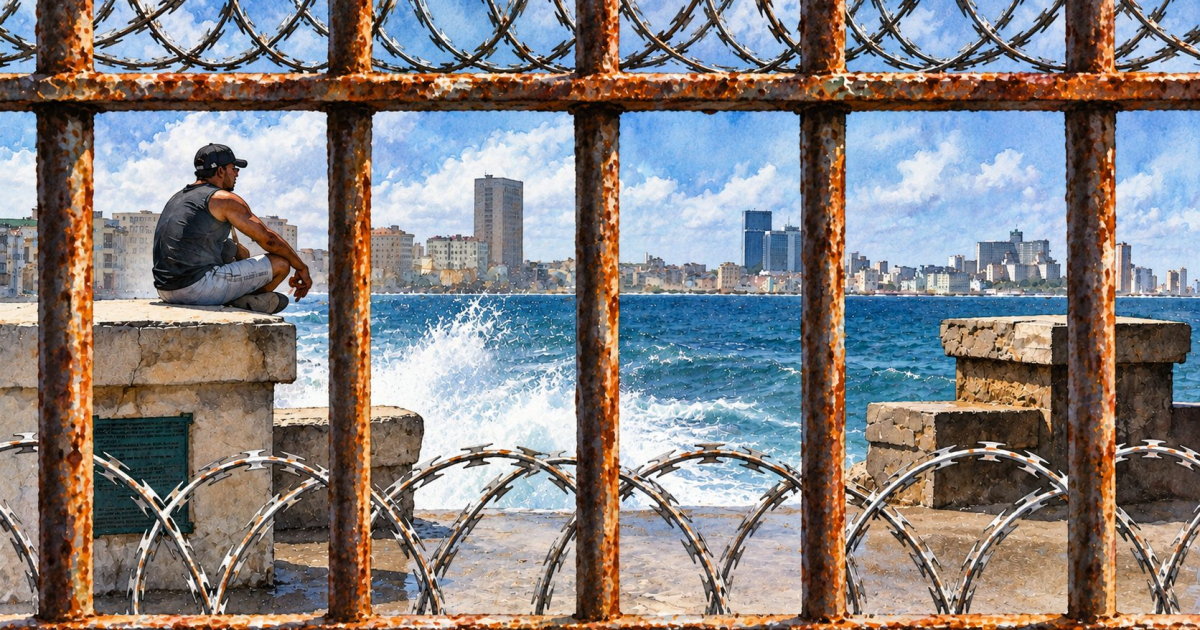
Today we need a similar mobilization for the Cuban political prisoners. The prisons in Cuba can be described as a hell on earth. There, individuals survive in extreme hunger, with very scarce and poor-quality food, insufficient and often contaminated water. There is malnutrition, a lack of medication, beatings, torture, psychological abuse, tuberculosis, scabies, bedbugs, and other infestations, as well as isolation and confinement. International organizations have documented these deprivations, the cruel, inhuman, and degrading treatment, and the harassment against family members who speak out.
I am familiar with that suffering. That is why I demand that their names, faces, and stories circulate on social media with a force comparable to these five phenomena. That each post invites another; that artists, athletes, politicians, and citizens share complaints, assist the families, and demand releases.
Political prisoners need to resonate in the conscience of all Cubans and humanity. They need shoulders to support them, to help them stay alive and to achieve their swift release.
Related videos:
Filed under:
Opinion article: Las declaraciones y opiniones expresadas en este artículo son de exclusiva responsabilidad de su autor y no representan necesariamente el punto de vista de CiberCuba.