The Supreme Court of Spain rejected this Monday to suspend the voting rights of the children of those who obtained Spanish nationality through the so-called grandchildren's law, allowing approximately 189,678 people registered in the overseas electoral roll to participate in the general elections on November 29.
The Fourth Section of the Administrative Court of the high tribunal thus dismissed the precautionary request filed by the organization Iustitia Europa and the party Vox, which sought to extend to this group the same restriction that the Supreme Court had already imposed on their parents last September.
The ruling, notified this Monday—a holiday in Madrid—featured a dissenting opinion from one of its six judges and a concurring opinion from one judge who supported the outcome but disagreed with part of the reasoning.
The magistrates based their decision on reasons of legal certainty and electoral stability. According to the court, the request from Vox and Iustitia Europa was made "after more than half of the electoral period had passed, just a week before the start of the campaign" and two weeks before the beginning of the ballot deposit in consulates.
The Supreme Court concluded that reviewing the census within that timeframe was "contrary to the demands arising from the principles of legal security and electoral stability," given that serious doubts arose regarding "the practical possibility of effective execution in the short time remaining until the date of voting and its scrutiny."
The court also emphasized an element it deemed "relevant": the number of affected children —189,678 individuals— exceeds that of the parents whose voting rights have already been suspended, which stands at 162,454, making a review of the census within that timeframe even more unfeasible.
The State Attorney's Office had opposed the extension of the measure, warning that it would cause a "serious logistical disruption and a procedural collapse" in the consular offices and at the polling tables, and that individually identifying those affected would result in "impossible compliance."
The ruling does not alter, however, the situation of the parents. The Supreme Court also rejected the claims from associations and individuals who requested a reconsideration of the suspension of external voting for more than 163,000 naturalized citizens under the grandchild law, which remains in effect. Only 901 of them had confirmed their status as descendants of exiles at the consulates and will be able to cast their votes.
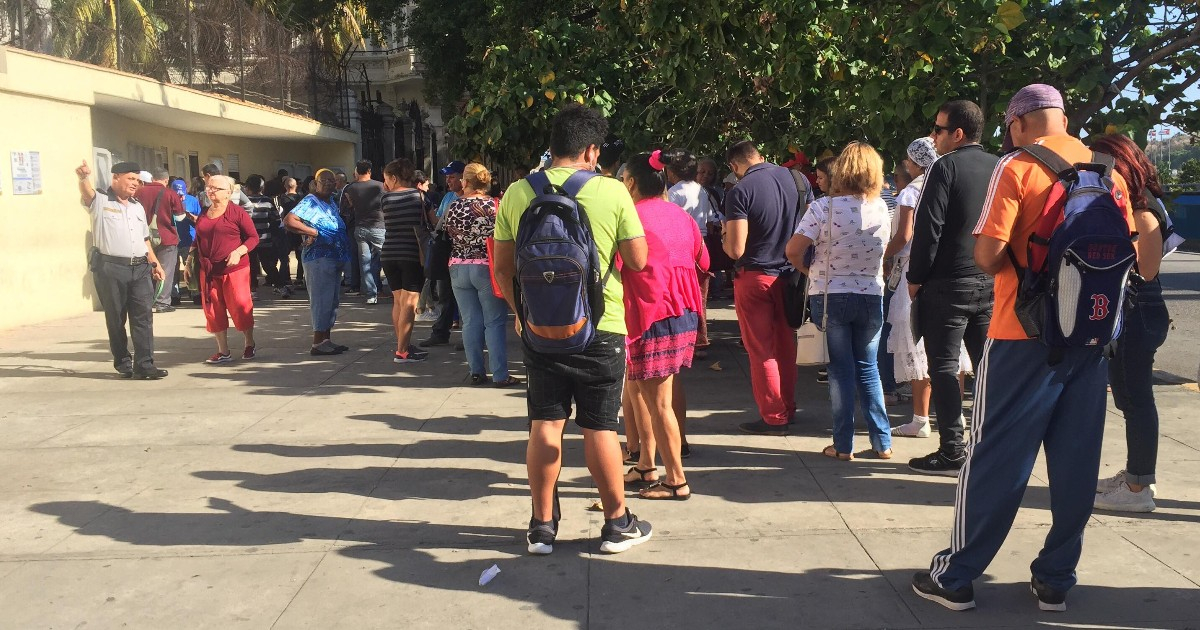
The impact of this legal battle is particularly significant for Cubans. The General Consulate of Spain in Havana received over 107,000 applications for nationality under the grandchildren's law until the first semester of 2025, and it is estimated that more than 350,000 Cubans initiated procedures since October 2022.
It is important to clarify that the temporary suspension does not annul Spanish nationality nor revoke previously issued passports; it solely affects the right to vote from abroad through the Electoral Roll of Resident Absentees. Cubans with Spanish nationality who reside and are registered in Spain can vote on November 29 without any restrictions.
The general elections on November 29 were called early by President Pedro Sánchez on October 5, following the parliamentary rejection of two royal decrees on housing. The Supreme Court still has to resolve the substantive issue regarding the validity of the nationalizations, a process that will extend beyond the electoral day.
Related videos:
Filed under: