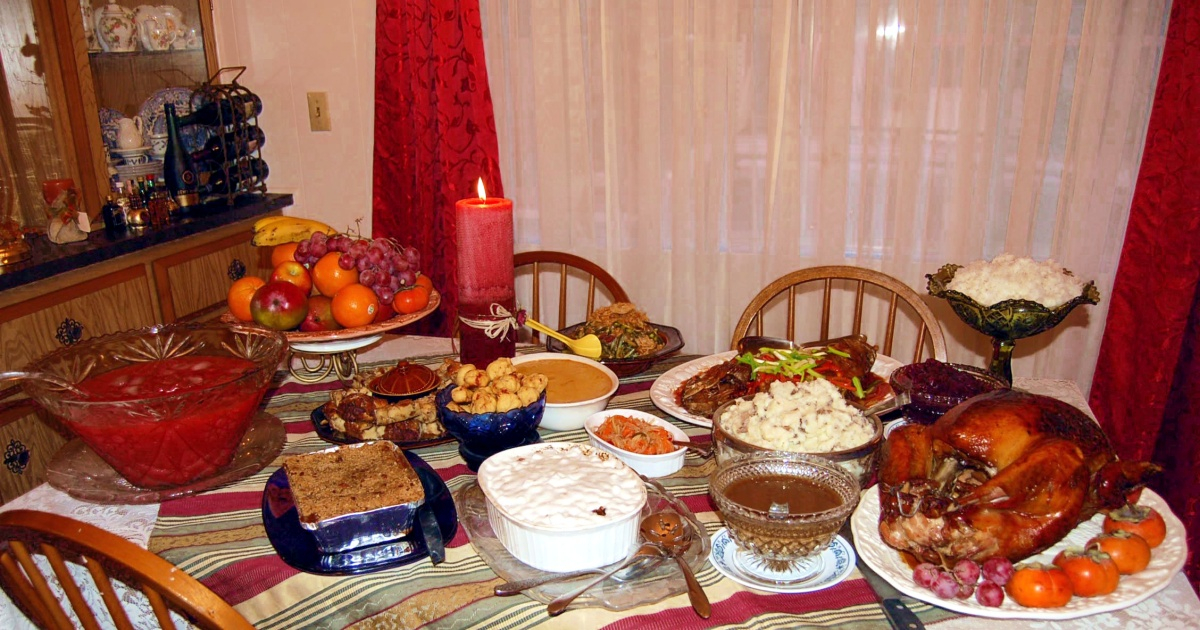
The Thanksgiving dinner in 2026 will be more expensive in the United States for the first time since 2022, according to the annual survey by the American Farm Bureau Federation, published this week.
The average banquet for ten people will cost 58.63 dollars, which is a 6% increase compared to last year, amounting to 5.86 dollars per guest.
The cost remains below the historical high of $64.05 recorded in 2022.
The organization has been tracking these prices for 41 years with hundreds of volunteer shoppers in all 50 states and Puerto Rico.
Eight of the 12 products in the basket increased compared to 2025. If boneless ham, russet potatoes, and frozen green beans are added, the total expenditure amounts to 81.72 dollars.
Turkey prices increase by 10%
A frozen turkey weighing 16 pounds costs on average $23.68 this year, compared to $21.50 in 2025, according to Farm Bureau.
The United States Department of Agriculture (USDA) projects that the wholesale price of whole frozen turkeys will average a record $1.76 per pound in 2026, approximately 29% higher than the previous year.
Avian flu has impacted U.S. flocks since 2022, although turkey production is recovering. The USDA estimates that production will increase from 4.84 billion pounds in 2025 to 5.13 billion in 2026.
At the same time, demand has increased as more consumers seek lean proteins, and U.S. exports have risen, putting pressure on inventories.
In statements to Associated Press, Mark Jordan, CEO of Leap Market Analytics, noted that the turkey industry has faced challenging years, but the recovery in production and the strength of demand are improving the outlook for producers.
Diesel and tariffs are putting pressure on prices
The rising costs of fuel and trade tariffs are among the pressures affecting food production and distribution costs in the United States.
Diesel reached a record average of 6.53 dollars per gallon on September 22, 2026, in a context of rising fuel costs linked to the war with Iran.
On Wednesday, November 18, it averaged $5.96 per gallon, 58% more than a year earlier, according to the official data from AAA on fuel prices.
The high cost of diesel increases transportation and distribution expenses for essential products such as milk, rolls, potatoes, and blueberries.
Tariffs also add pressure.
According to a joint analysis by Groundwork Collaborative and The Century Foundation, the cost of a selection of traditional Thanksgiving foods increased by 11% compared to 2025, nearly three times the overall inflation rate.
This estimate uses a different basket from the Farm Bureau survey, which calculates a 6% increase for its traditional menu for ten people.
The study by both organizations indicates that the 50% tariffs on steel and aluminum also put pressure on the costs of packaged products, particularly food preserves.
The prices of food purchased for home consumption have accumulated an increase of nearly 22% from October 2021 to October 2026, according to the official indices from the U.S. Bureau of Labor Statistics (BLS), published in their reports from October 2021 and October 2026.
Regional differences
The regional comparison from Farm Bureau shows that the Northeast is the most expensive region, at $61.57 for ten people, while the South is the most affordable, at $54.33.
The Midwest recorded an average of $56.89 and the West, $58.74.
Some products did decrease in price.
A tray of vegetables weighing one pound costs five cents less than in 2025, while a 16-ounce bag of frozen peas became four cents cheaper.
Fewer hosts and more debts
The economic impact goes beyond the menu. According to a survey by LendingTree conducted among 2,000 American consumers from October 2 to 9, 2026, 51% are considering the possibility of hosting a Thanksgiving celebration this year, down from 59% in 2025.
Potential hosts expect to spend an average of $427 on food, drinks, and household items, which is a 3% increase from last year's $414.
53% of those planning to celebrate the holiday say that inflation is impacting their plans or budget. Among the anticipated adjustments, the following stand out:
- 25% change their food choices.
- 22% use more coupons.
- The 14% reduces the guest list.
Additionally, 62% of potential hosts indicate that they might need to borrow money to cover the costs of the celebration. 38% plan to use credit cards, and 18% consider turning to "buy now, pay later" loans.
Among those planning to finance their Thanksgiving expenses, 89% expect to pay off their balances within a maximum of three months, including 56% who anticipate doing so within the first month.
More affordable options
Some supermarket chains offer cheaper alternatives. Aldi is promoting a dinner for ten people for under 39 dollars, featuring a 16-pound turkey and traditional side dishes.
The chain assures that its offering is based on the same basic products included in the Farm Bureau reference basket, although prices may vary depending on location and availability.
On its part, Walmart offers a basket of 26 items for ten people for 35 dollars. Its proposal includes turkey, stuffing, ingredients for side dishes, and desserts, with a different composition than that used by Farm Bureau. The advertised price is subject to the terms and availability of the offer.
Matt Schulz, chief consumer finance analyst at LendingTree, warned in a statement from the company that the cost of bringing the family together is becoming a concern for many Americans.
Schulz noted that some families are changing their menus, reducing the number of guests, and looking for ways to save. He also warned that relying on credit cards or other financing options can extend the cost of a single day of celebration over several months.
Related videos:
Filed under: