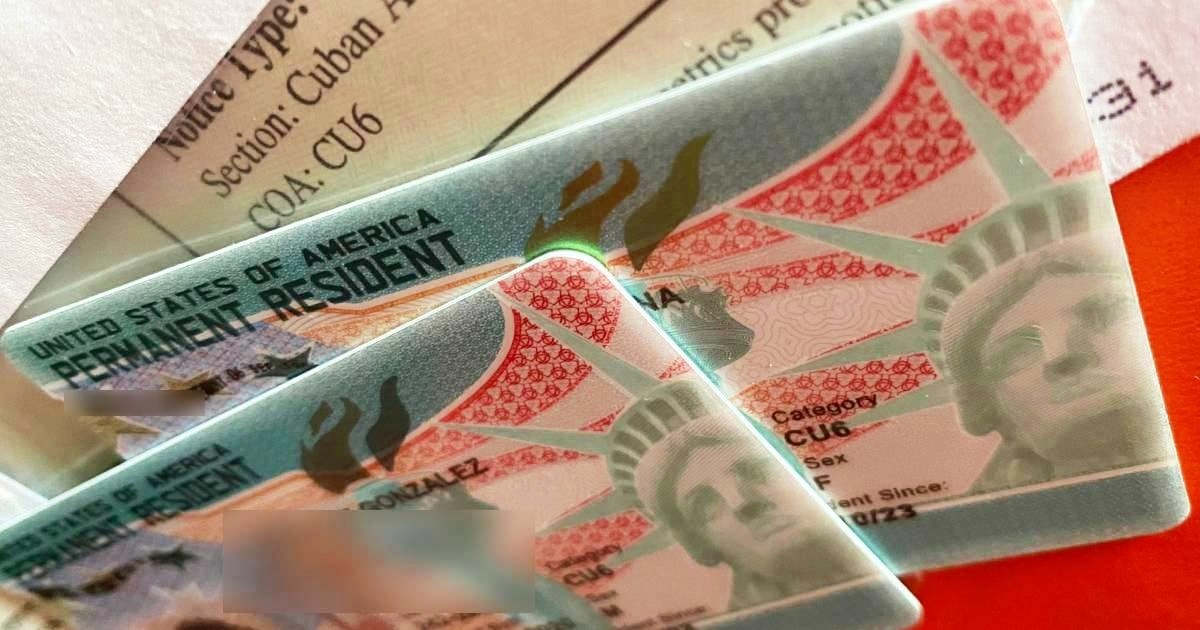
The U.S. Citizenship and Immigration Services (USCIS) announced new measures that tighten the process for obtaining permanent residency or green card for young migrants granted Special Immigrant Juvenile Status (SIJ).
The changes, published on Friday, November 20, increase controls over applications, allow for deeper investigations of cases, and give more weight to the individual assessment of those seeking to obtain residency.
The SIJ program is intended for foreign youth under the age of 21, who are single and have suffered abuse, abandonment, or neglect by one or both parents, and who meet certain judicial and immigration requirements.
What changes with the new rules?
USCIS published two alerts, identified as PA-2026-17 and PA-2026-18, which affect different stages of the immigration process.
The first states that having a favorable order from a juvenile court will no longer be sufficient for USCIS to automatically accept the circumstances presented in an SIJ application. The agency will be able to directly review the evidence, request additional documents, and interview applicants to verify that they genuinely need protection from abuse, abandonment, or neglect.
You may also deny a request if you determine that the court order was sought primarily to obtain an immigration benefit, rather than to protect the young person.
The second alert reinforces the evaluation of permanent residency applications. USCIS may consider negative factors, such as certain juvenile delinquency records or possible gang affiliations, before deciding whether to grant the green card.
This means that having an approved SIJ petition does not guarantee obtaining permanent residency.
The agency also clarified that the approval of Form I-360, used to apply for SIJ classification, does not by itself grant legal immigration status or an automatic right to apply for a work permit.
Do the changes affect those who already have a pending application?
Yes. The PA-2026-17 alert took effect immediately and applies to both new SIJ petitions and those that were pending as of November 20, 2026.
However, the SIJ petitions approved before that date remain subject to the previous rules regarding the changes introduced by that alert. This does not eliminate the other requirements for obtaining permanent residency.
Another significant change is that USCIS has removed the special option to submit the I-360 form by making an appointment at an agency office during the two weeks prior to turning 21.
USCIS reports irregularities in the program
The measures come after USCIS published a report on potential fraud and irregularities in the SIJ program in July 2025.
The agency reviewed more than 300,000 petitions submitted from 2013 to February 2025 and noted that some were based on claims of abuse, abandonment, or neglect that it deemed false or insufficiently verified.
The report also documented a 317% increase in SIJ applications between 2020 and 2025, rising from 18,711 to 78,156 annually.
According to USCIS, this growth has led to a backlog of cases that may result in waits of approximately five years for obtaining an immigrant visa in the EB-4 category, which is necessary for acquiring residency through this pathway.
What should Cuban families know?
The changes may particularly affect Cuban families with children who have requested judicial protection in the United States due to situations of neglect, abuse, or abandonment, and who are still awaiting a immigration decision.
For some young Cubans, the Cuban Adjustment Act may provide another route to permanent residency, as long as they meet the requirements, including those related to their entry into the country and the duration of their physical presence in the United States.
However, those who entered without admission or parole may find themselves in a different situation and rely on other immigration options, such as the SIJ program.
Families with pending cases should retain court orders and evidence supporting their application, pay attention to any requests from USCIS, and consult with an immigration attorney to understand how the new rules affect them.
Related videos:
Filed under: