Starting January 1, 2027, virtually all policyholders insured by Citizens Property Insurance who have wind coverage must also have flood insurance in order to renew their policy, regardless of whether their home is located in a FEMA-designated flood zone or not.
The measure corresponds to the final phase of a state law approved in December 2022 that has been implemented gradually over four years.
Until now, the requirement only affected properties in high-risk areas or with reconstruction values exceeding $400,000. Starting in January, the obligation will extend to all residential policies with wind coverage, regardless of the home's value.
The following policies are exempt from the requirement: condominium unit policies, renters' content policies, and those that exclude coverage for wind or hail, as confirmed by Hillsborough County.
For thousands of Cuban-American families in Hialeah, Miami-Dade, Broward, and Tampa who hold policies with Citizens due to their prices, this change represents an additional expense that they must plan for before their next renewal date.
Citizens does not sell flood insurance directly. The property owner must obtain a policy on their own, either through the National Flood Insurance Program (NFIP, federal) or a private insurer. The coverage purchased must be equal to or greater than the declared reconstruction value in the Citizens policy.
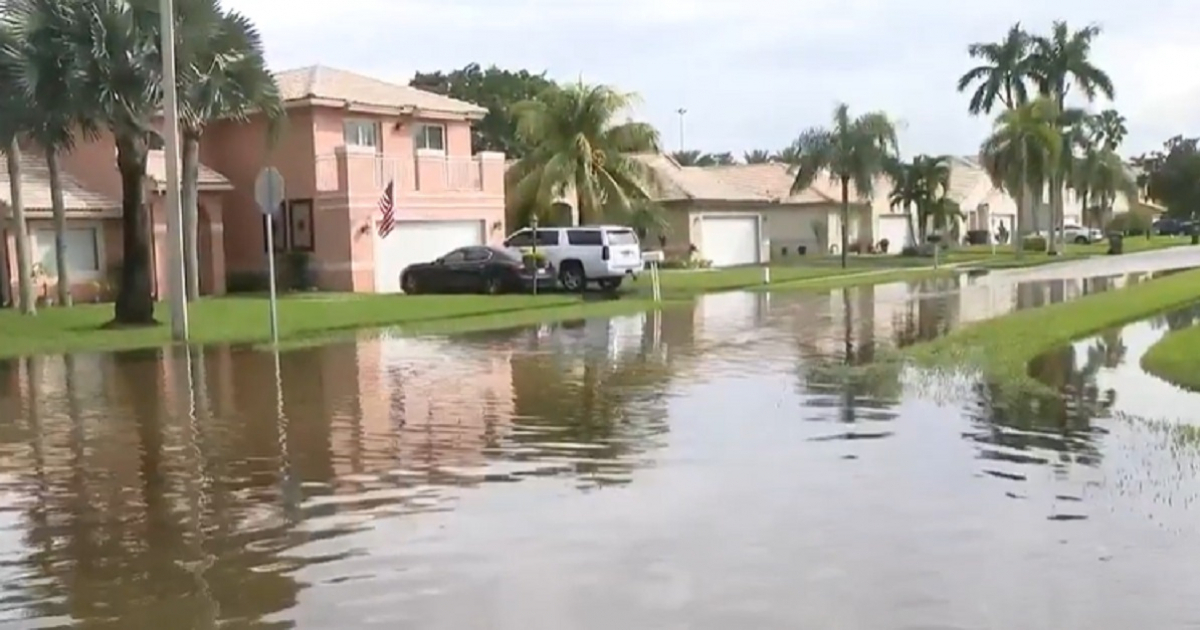
The spokesperson for Citizens, Michael Peltier, linked the new requirement to the flooding that struck South Florida between November 17 and 20, when accumulations of up to 16 inches in parts of Broward flooded properties far removed from traditional risk areas.
"What we have seen after the hurricanes and what we are witnessing this week on the other side of the state, with the massive rainfall in Brevard County and the Space Coast, is that many customers who do not live in flood zones are experiencing flooding on their properties," he stated.
The figures support that warning: between 2014 and 2024, nearly one-third of NFIP claims came from properties located outside high-risk areas.
Before renewing, property owners should compare the two available options. Emily Rogan, senior program director at United Policyholders, cautioned that the differences between the NFIP and private insurance "can look very different" in both price and coverage, and recommended reviewing both before making a decision.
In areas of moderate risk, the NFIP can cost between $500 and $800 annually, while private insurance can range from $350 to $600. However, price is not everything: private policies often offer higher limits, personal property coverage at replacement cost, and temporary lodging expenses—features that the NFIP generally does not include.
A relevant piece of information for those living in the unincorporated area of Miami-Dade: NFIP policyholders can access a discount of up to 35% due to the county's Class 3 rating in FEMA's CRS program. This benefit does not automatically apply to incorporated municipalities such as Hialeah or the city of Miami.
Citizens is already sending notifications to its policyholders before the renewal dates. Those who do not have flood insurance at the time of renewal will need to address their situation with their agent or they will lose eligibility to remain with the state insurer.
The new NFIP policies have a standard waiting period of 30 days before they take effect, so it's advisable to act in advance and not wait until the last moment.
To check the official requirements and compare options, Citizens maintains a dedicated flood insurance page with updated information on current regulations.
Related videos:
Filed under: