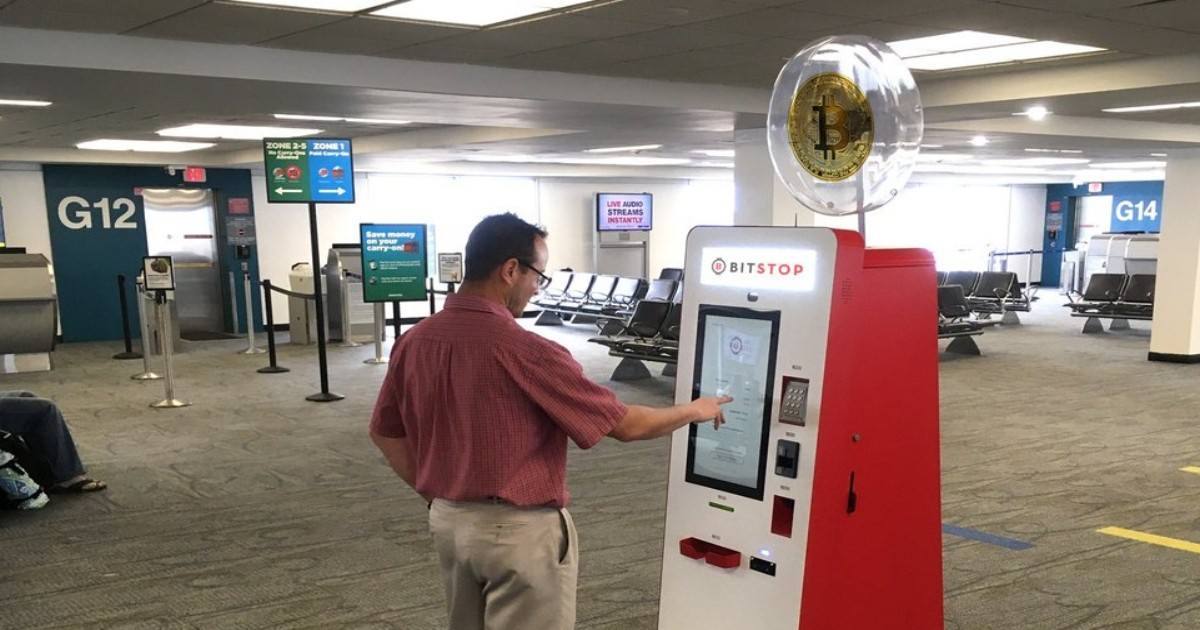
Starting January 1, 2027, a comprehensive regulatory framework for cryptocurrency ATMs will be introduced, those kiosks that are proliferating in gas stations, convenience stores, and supermarkets in the southern part of the state.
This is due to the enactment of the CS/HB 505 law, unanimously approved by both chambers and signed by Governor Ron DeSantis on June 26th.
The regulation is a response to a fraud crisis that has already cost residents $32.7 million in losses during 2025, with 1,213 reports —a 58% increase compared to the previous year— according to legislative analysis data.
What changes for those who use these ATMs?
The most immediate change is the transaction limit: $2,000 daily for new clients and $10,000 for existing clients, in one or multiple transactions and at one or several ATMs of the same operator.
The law defines a new client as someone who has been transacting with that operator for less than seven days.
Before processing any transaction, the machine should ask the user how much they have withdrawn that day from other virtual currency ATMs and display a fraud warning in a visible location.
That notice, as the regulation states, indicates that "fraud often begins with contact from strangers who lie about their identity," and that if the customer was directed to the ATM by someone they do not know personally — including anyone claiming to be a police officer, IRS agent, or immigration official — they should stop the transaction and contact a financial advisor or the authorities.
At the conclusion of each transaction, the operator must provide a physical or electronic receipt, at the customer's choice, including the date, time, amount in dollars, operation identifier on the blockchain, fees, and refund policy.
The most relevant protection for those who fall victim to a scam is the guaranteed full refund: if it's the customer’s first transaction and they report the fraud to the operator and a law enforcement agency within 60 days—providing a police report or notarized statement—the operator has 72 hours to refund the full amount.
What should operators and business owners do?
For the companies operating these kiosks, the main obligation is to register with the Office of Financial Regulation (OFR).
Those already operating on January 1, 2027, have 30 days to submit their application—until January 31—although the prohibition on operating without registration does not come into effect until March 1, 2027.
Licensed money transmitters are exempt from kiosk registration, but they must still comply with the limits, notifications, receipts, and refund obligations.
The registration is non-transferable, must be renewed annually before December 31st, and any changes to the information must be reported to the OFR within 30 days.
For owners of bodegas or gas stations who rent space to an operator, the law does not impose direct obligations on them, but it is advisable to ensure that the operator is properly registered with the OFR.
The context that drove the law
The most widespread scam scheme involves the scammer calling the victim while posing as an IRS agent, a police officer, or an immigration official, demanding an urgent payment and directing them to deposit cash into a Bitcoin ATM. Once the cryptocurrency is sent, the transaction is practically irreversible.
The Hialeah Police warned in October about calls from scammers demanding payments in cryptocurrency to avoid alleged arrests, a tactic that particularly impacts elderly individuals and immigrants from the Hispanic community.
Nationwide, the FBI recorded more than 13,460 reports and nearly $389 million in losses due to cryptocurrency ATM scams in 2025; individuals aged 60 and older accounted for 76% of those losses.
Florida thus joins a trend that, as of November this year, has already led at least 35 states to approve some regulation concerning these devices.
Related videos:
Filed under: