
Related videos:
In a deeply emotional text, the Cuban doctor Omar Rensoli lays bare the reality of an island that, after more than six decades of unfulfilled promises, struggles between forced resistance and muted pain.
The essay, titled How Long, Cuba?, was shared in several groups on Facebook.
“Resisting is no longer enough”, asserts Rensoli, who argues that what has been sold for years as a civic virtue of the Cuban people is nothing more than a daily condemnation imposed by a system that has normalized scarcity, indoctrination, and fear. In his words, resisting has been the only option for survival, not a free choice.
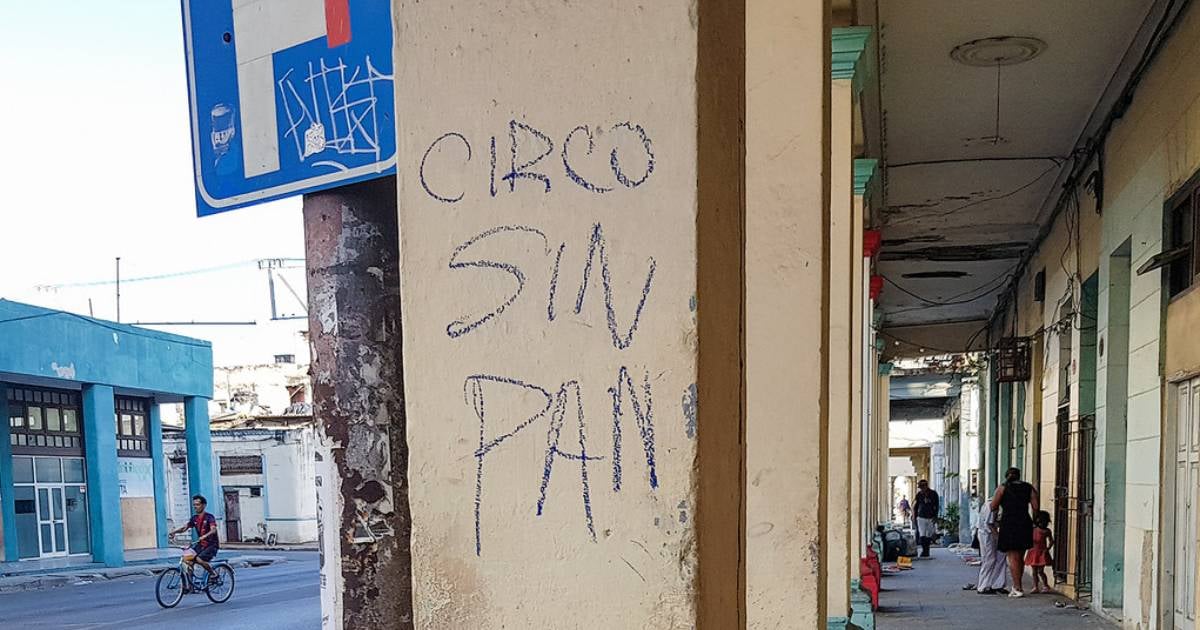
The author invites readers to wander the streets of Havana, Santiago, or any corner of the country, comparing them to a "museum of abandonment", where poverty is no longer surprising, but rather defines everyday life.
“Dignity, that basic human right, has been reduced to an empty slogan”, he writes, denouncing a profound disconnect between the official discourse and the real experiences of citizens.
Without ambiguity, Rensoli refers to the Cuban government as a dictatorship that has "bled the soul of the people" and has domesticated misery to the point of making it part of the national DNA.
Their criticisms also target the ideological corral in which thinking differently is punished or emigrating, and the cynicism of state propaganda that conceals the desperation of those who dream of escaping or simply living with dignity.
"How you hurt me, Cuba. But also how you inspire me to no longer remain silent," the author concludes, in a statement that encapsulates the spirit of his denunciation with a blend of deep sorrow and rebellious hope.
The post has been commented on by some Cubans who agree with the author that the limit was crossed a long time ago.
“Until 10 million Cubans gather the courage and take to the streets across the country. They won't be able to do anything against that”, wrote a user.
"That question is asked by those of us who live on the island. How long? It hurts a lot, but staying silent hurts more. That's why we cannot accept being silent," shared another reader.
And there are those who express a mix of hopelessness and broken faith. “I believe even God has forgotten us. We pray every day to end this anguish, and every day we are punished.”
Rensoli's words, which in 2024 had already resonated strongly by showing in a video the harsh reality of an empty bodega in Cuba, now take written form to denounce a country where dignity has been reduced to a slogan and poverty has become the norm.
At the end of his text, the author leaves a message that resonates as a call: “Cuba deserves more. It deserves freedom, truth, and above all, dignity.”
Frequently asked questions about the crisis in Cuba and the essay by Omar Rensoli
What is the main message of Omar Rensoli's essay about Cuba?
Omar Rensoli's essay denounces that resistance is no longer enough for the Cuban people, as resistance has become a daily sentence imposed by a government that has normalized scarcity, indoctrination, and fear. Rensoli describes the Cuban reality as a "museum of abandonment" and criticizes the disconnect between the official discourse and the daily lives of citizens.
What aspects of life in Cuba are highlighted in Omar Rensoli's essay?
Rensoli highlights poverty, scarcity, indoctrination, and fear as predominant aspects of life in Cuba. He describes dignity as a fundamental human right that has been reduced to an empty slogan and points out that misery has become part of the national DNA. Furthermore, he criticizes the Cuban government as a dictatorship that has drained the soul of the people.
How has the Cuban community reacted to Rensoli's essay?
The publication by Rensoli has generated many reactions among Cubans, both on and off the island. Many agree that the limit of resistance has already been surpassed, expressing their pain and despair, but also their determination not to remain silent any longer. Some advocate for a massive uprising of the Cuban people as the only solution.
What other testimonies reflect the critical situation in Cuba?
Moreover, besides Rensoli's essay, a viral video of a Cuban woman and the words of priest Alberto Reyes reflect the despair in Cuba. They denounce the scarcity, institutional collapse, and the desire for a radical change in the country, highlighting that life in Cuba is a constant struggle for survival amidst repression and a lack of basic resources.
Filed under: