
Related videos:
Firefighters in Santiago de Cuba extinguished a fire caused by the overheating of an electric fryer that had remained plugged in during a blackout.
The official from the Ministry of Health, Aris Arias Batalla, announced on his Facebook page that the incident took place in the Reparto Mariana de la Torre in Santiago de Cuba, and that no material damage or casualties were reported, thanks to the swift actions of the owners and the firefighters.
The incident occurred at 1:20 PM in a home located between 9th and 11th Streets on Calle del Medio, when a deep fryer that had remained plugged in during a power outage overheated when the electricity was restored, generating smoke and a risk of combustion.
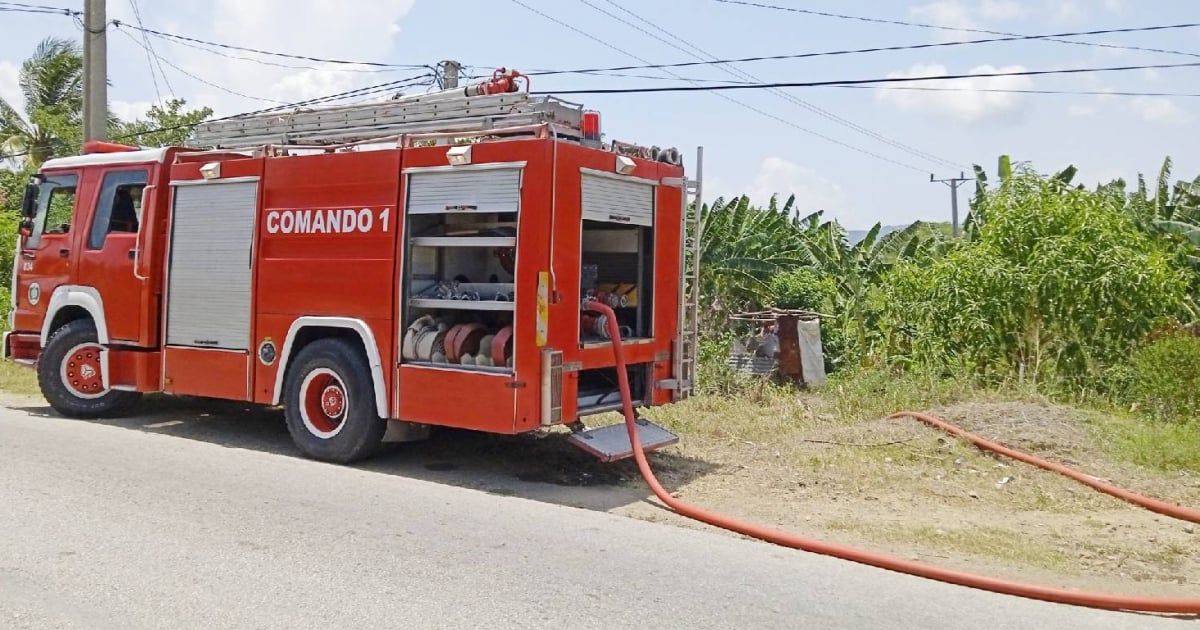
The firefighters of Command 1 Martí responded to the emergency call, confirming that the fire was contained in time and did not spread to other areas of the home.
"A fryer was left plugged in when the power went out, and upon restoration of the electricity, it caused overheating," explained Arias Batalla on social media, alongside images of the scene.
Minutes later, the same team was dispatched to another incident at Kilometer 8 of the Mar Verde road, in front of a grocery store, where a fire in a brush area threatened to spread to two nearby houses. Once again, the response was swift and effective, preventing more severe consequences.
These events occur in a critical national context of prolonged blackouts, drought, and widespread crisis.
According to official data, Cuba has already surpassed the total number of wildfires that occurred in the last four years combined as of 2025.
In the province of Pinar del Río alone, more than 7,100 hectares have burned, tripling the annual average.
Authorities attribute this trend to prolonged drought, human negligence, and deficiencies in preventive infrastructure. According to the Forest Service, 83% of incidents have human causes.
Specialists from the Ministry of Science, Technology, and Environment warn that the impact of these fires goes beyond forestry: it affects health, biodiversity, and the national economy, resulting in million-dollar losses.
Frequently Asked Questions about Fires in Cuba and Prevention
How did the fire in the house in Santiago de Cuba start?
The fire in the residence in Santiago de Cuba was caused by the overheating of an electric fryer that had been left plugged in during a power outage. When the electricity was restored, the appliance overheated, producing smoke and a risk of combustion. Fortunately, no property damage or casualties were reported due to the prompt intervention of the owners and firefighters.
What is the current situation of wildfires in Cuba?
In 2025, Cuba is facing an unprecedented forest fire crisis, with over 7,100 hectares burned in Pinar del Río so far this year. This figure exceeds the total areas affected between 2021 and 2024. Authorities attribute this trend to prolonged drought, human negligence, and deficiencies in preventive infrastructure.
What preventive measures are being taken to reduce fires in Cuba?
Cuban authorities have imposed more than 1,300 fines for environmental violations this year and are strengthening preventive measures. However, the construction of trails and firebreaks has only been completed at 69% of what was planned for 2025. There is a strong emphasis on the need to raise awareness about the sustainable use of natural resources.
What are the main causes of fires in Cuba?
83% of the fires in Cuba are caused by human activities, such as poaching, uncontrolled agricultural burning, and improper handling of electrical equipment. Additionally, adverse weather conditions, such as prolonged droughts, significantly contribute to the spread of fires.
What recommendations have been made to prevent fires related to electrical equipment and electric motorcycles?
To prevent fires related to electrical equipment and electric scooters, it is crucial to avoid leaving equipment plugged in during power outages and not to overload the batteries. It is recommended to charge batteries in well-ventilated areas, away from flammable materials, and to follow the manufacturer's instructions for the proper use of devices.
Filed under: