
Related videos:
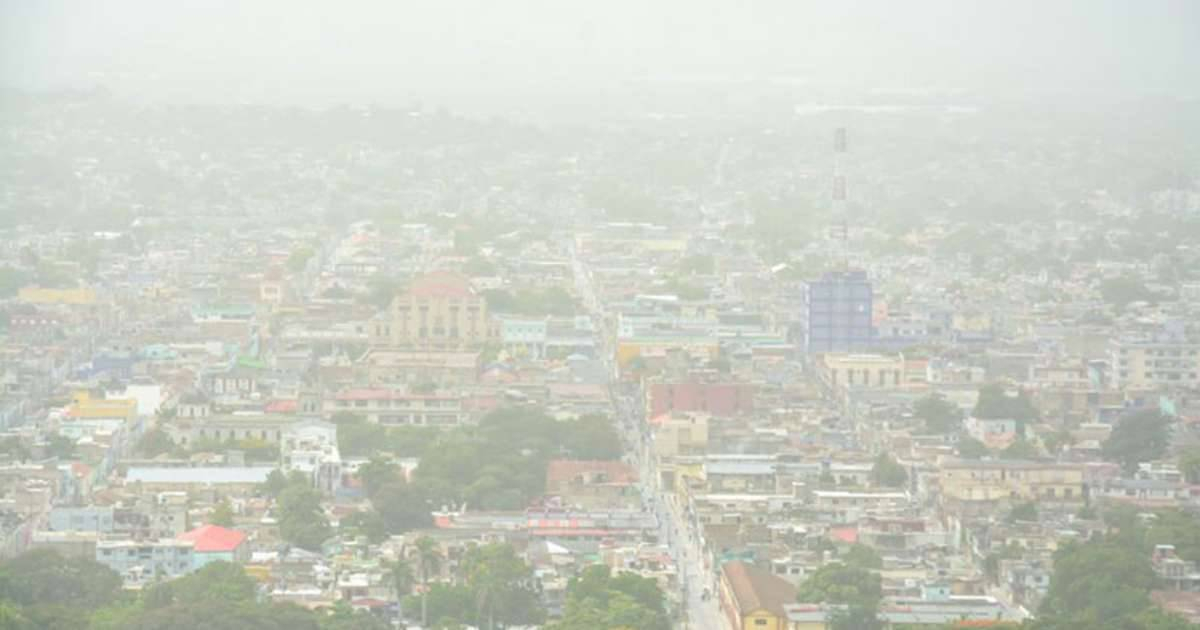
A dense cloud of Sahara dust has begun to affect Cuban territory and is expected to reach southern Florida starting this Wednesday, reported meteorologist Rubén Capote, head of the Meteorology department at Telemundo 49, certified by the American Meteorological Society.
According to Capote, among the most visible effects of the phenomenon are "vibrant and colorful sunsets and sunrises, hazy skies, and a possible reduction in air quality in certain areas."
Although it generally does not pose a danger to most people, caution is advised, especially for those with respiratory conditions.
This dust cloud, deemed the most significant of the year to date, stretches over 3,200 kilometers from the eastern Caribbean - beyond Barbados - to Jamaica, and about 1,200 kilometers from the south of Trinidad and Tobago to the Turks and Caicos Islands, according to data from the AP agency.
The phenomenon arrived in the eastern Caribbean on Monday as it made its way towards parts of Cuba and Florida.
The National Meteorological Service in San Juan, Puerto Rico, reported a high concentration of particles as the cloud passed over the territory, with an aerosol optical depth of 0.55, indicating a considerable presence of dust in the atmosphere.
What is Saharan dust?
The Sahara dust is a mass of very dry air filled with sand particles that rises from the African desert and crosses the Atlantic, driven by the trade winds.
Every year, over 180 million tons of this dust travel thousands of kilometers, reaching America, the Caribbean, and sometimes even Europe.
It moves at altitudes of between 5,000 and 15,000 feet (1,500 to 4,500 meters), and although it usually loses density in the eastern Caribbean, it can still cause visible and environmental effects as it moves westward.
Negative and positive effects
Among its negative impacts, dust can cause poor air quality, eye and nasal irritation, and the worsening of respiratory conditions such as asthma.
For this reason, on previous occasions, the Ministry of Public Health (MINSAP) has recommended the use of masks, especially for vulnerable individuals such as the elderly, pregnant women, children, and those with chronic conditions.
On the other hand, the phenomenon also has beneficial effects: the layer of dry air that accompanies the dust helps to weaken tropical systems, which reduces the likelihood of hurricanes.
Additionally, the iron contained in the particles fertilizes the soils and feeds oceanic phytoplankton, which is essential for oxygen production.
Recommendations for the population
Health and meteorological authorities urge the population to follow some basic protective measures:
Avoid prolonged outdoor activities, especially in individuals with respiratory illnesses.
Wear a mask if you notice a decrease in air quality.
Keep doors and windows closed during peak concentration times.
Frequent hydration and cleaning of the eyes and nasal passages with clean water.
The cloud is expected to continue its movement toward Florida between Thursday and Friday, bringing similar effects.
Meteorological monitoring remains active due to this phenomenon, which has already impacted several islands in the Caribbean and could also influence the cyclonic activity of the current season.
Frequently Asked Questions about Sahara Dust in Cuba and Florida
What effects does the Sahara dust cloud have on Cuba?
The Sahara dust cloud can cause hazy skies and colorful sunsets in Cuba, as well as a possible reduction in air quality. This phenomenon can exacerbate respiratory issues and cause eye and nasal irritation. Vulnerable individuals, such as the elderly and those with chronic conditions, are advised to take precautions such as wearing masks.
How does Sahara dust affect health?
The Sahara dust can impact health by reducing air quality, leading to eye and nasal irritation and potentially worsening respiratory conditions such as asthma. It is important for vulnerable individuals, such as those with respiratory issues, to wear masks and avoid outdoor activities during the presence of the dust.
What are the benefits of Sahara dust?
The Sahara dust helps weaken tropical systems, reducing the likelihood of hurricanes. Additionally, the iron particles from the dust fertilize soils and feed oceanic phytoplankton, which is essential for oxygen production in the ocean.
What protective measures are recommended during this phenomenon?
Authorities recommend avoiding prolonged outdoor activities, especially for those with respiratory illnesses. The use of masks is also advised, along with keeping doors and windows closed, and frequently cleaning the eyes and nostrils with clean water to mitigate the effects of dust.
Filed under: