In a tight 3 to 2 vote, the Miami Commission approved an ordinance this Thursday that postpones the municipal elections, originally scheduled for November 2025, until November 2026.
This measure extends the terms of Mayor Francis Suárez and Commissioners Joe Carollo and Christine King for another year, which has sparked intense controversy both politically and legally.
The commissioner Damián Pardo, the main proponent of the initiative, defended the proposal by arguing that the change "will allow for greater citizen participation and align the elections with the state ones."
Pardo also stated that moving the elections will save more than one million dollars, according to a report from Univision.
Legal warnings and institutional rejection
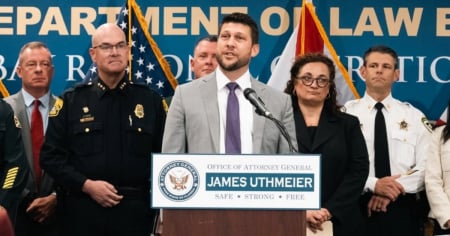
However, this measure has been heavily criticized by various sectors, especially by Florida's Attorney General, James Uthmeier, who publicly warned that the ordinance could be unconstitutional.
In a letter sent to the Commission, Uthmeier was emphatic.
"The state will not tolerate such unconstitutional deviation. They must immediately halt the process of promulgating the ordinance to change the date of the municipal elections and the terms of elected officials," he said.
The Attorney General also appealed to the city's democratic history.
"The citizens of Miami deserve and have the right to make this decision directly. Home to thousands of patriotic Cuban-Americans who know better than most the regimes that carelessly delay elections and extend their mandates in power," Uthmeier added in a message with clear political implications.
The governor of Florida, Ron DeSantis, also intervened, calling the measure undemocratic on social media.
“It is not right for politicians to cancel elections and extend mandates without approval,” he claimed.
The defense of the city attorney and the response of the commissioners
The city attorney, George Wysong, responded to the letter from the attorney general, stating that, from a legal standpoint, the measure does not violate local, state, or county laws.
"Reasonable people can disagree on the interpretation of laws. That is one of the reasons we have an independent judiciary that resolves cases or controversies. This important characteristic of our representative democracy... distinguishes us from tyrannical regimes, as mentioned in the letter," he said, according to Telemundo 51.
He also argued that "numerous other cities have done exactly the same," defending the legality of the precedent.
Divisions within the commission itself
The measure was not unanimous. Commissioners Joe Carollo and Miguel Ángel Gabela voted against it. Gabela, in particular, was emphatic in his rejection.
"The voter didn't vote for that, and in the end, it just doesn't look good," he said.
“I believe that the voter has the final say on this, the electorate, and I think it should be their decision, and I have no problem if they want to submit this to a referendum,” he added.
As a result of the increasing tension, Gabela also resigned from his position as president of the Bayfront Park Fund, and a motion was approved to transfer responsibility to the city manager and the Department of Parks and Recreation.
Possible legal challenges and future consequences
Possible lawsuits against the measure have already been announced. Some candidates, such as Denise Gálvez-Turros, have indicated that they will turn to the courts.
“To stop that vote in the courts, we have spoken with the lawyers and we know that we have the requirements,” he stated in remarks reported by Telemundo 51.
This conflict opens a complex legal landscape that could extend for months and set an important precedent regarding the power of local governments to alter electoral calendars without public consultation.
Frequently Asked Questions about the controversial decision to postpone elections in Miami
Why were the municipal elections in Miami postponed until 2026?
The Miami Commission decided to postpone the elections to align them with the state elections, arguing that this would allow for greater citizen participation and save more than a million dollars in electoral costs. This decision has sparked controversy and is viewed by some as a way to extend the terms of the current officials, including Mayor Francis Suárez.
What arguments are presented against postponing the elections in Miami?
The Florida Attorney General, James Uthmeier, argued that the measure could be unconstitutional and that the citizens of Miami have the right to directly decide on the change of the electoral calendar. In addition, he believes that canceling elections and extending terms without voter approval goes against democratic principles.
What legal consequences could Miami face due to this decision?
Possible lawsuits against the measure have already been announced. Some candidates and opponents plan to take the case to court to halt the implementation of the ordinance that postpones the municipal elections. This legal conflict could extend for months and set a precedent regarding the power of local governments to alter electoral calendars without public consultation.
What has been Governor Ron DeSantis's reaction to the postponement of elections in Miami?
Governor Ron DeSantis termed the measure as undemocratic and stated that it is not right for politicians to cancel elections and extend terms without approval. DeSantis's position reinforces the state opposition to the Miami Commission's decision and could influence future legal and political actions regarding the matter.
Filed under: