
Related videos:
The United States Department of Homeland Security (DHS) announced the termination of Temporary Protected Status (TPS) for Nicaragua and Honduras, a benefit that has shielded thousands of immigrants from these countries from deportation since the late 1990s.
According to the Secretary of National Security, Kristi Noem, the TPS for Nicaragua has been rendered ineffective since July 5, and the decision will take effect 60 days after its publication in the Federal Register.
Although the statement focused on Nicaragua, DHS sources confirmed that the measure also affects Honduran beneficiaries, whose cases were being evaluated concurrently.
"The Temporary Protected Status was never intended to last a quarter of a century," said a DHS spokesperson. "The natural disaster of 1999 that prompted TPS for Nicaragua no longer has ongoing effects. Environmental conditions have improved sufficiently for Nicaraguan citizens to safely return to their country."
Assessment and reasons for the end of TPS
The decision, according to the DHS, was made after interagency consultations and a review by the U.S. Citizenship and Immigration Services (USCIS) and the Department of State, concluding that the current conditions in Nicaragua and Honduras no longer meet the legal requirements to maintain TPS.
"This decision restores the integrity of the immigration system and reaffirms that TPS should remain a temporary measure," the statement noted.
Incentives for voluntary return
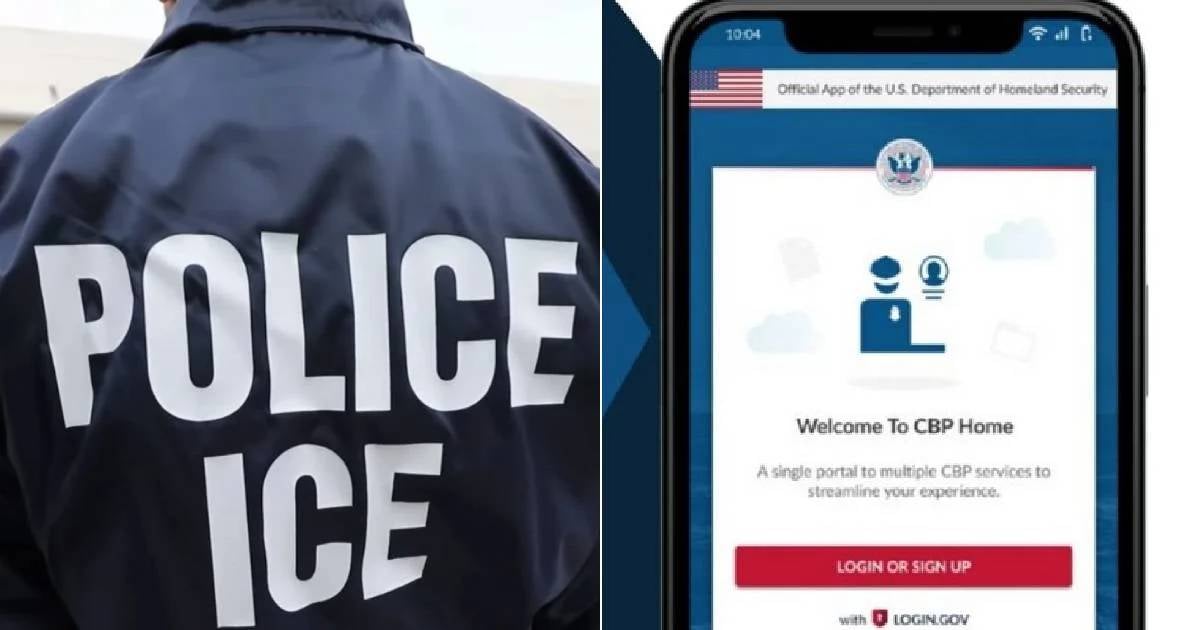
As part of the new approach, DHS is promoting a "safe and dignified" voluntary departure for those affected. Nicaraguans and Hondurans with TPS who leave the country can use the app CBP Home to report their departure from the U.S. and access a self-repatriation program that includes: a free plane ticket, a $1,000 departure bonus, and future opportunities for legal migration, based on case evaluation.
What comes next for the beneficiaries?
The measure creates uncertainty for thousands of immigrants who have spent decades building their lives in the United States under the protection of TPS. It is estimated - unofficially - that about 72,000 Hondurans and 4,000 Nicaraguans hold TPS.
It is expected that immigrant rights advocacy organizations will file legal appeals or call on Congress to seek a permanent solution for long-term beneficiaries.
According to the New York Times, the Trump administration has already taken steps to end TPS for citizens of Haiti, Venezuela, and Afghanistan.
Part of a hardline immigration policy
The cancellation of TPS is part of President Donald Trump's hardline policy, who has resumed power with an agenda focused on drastically reducing migration and dismantling temporary protections that, according to his administration, have been used as pathways for indefinite residence in the country. The current approach aims to strengthen the border and accelerate deportations.
In addition to halting new admissions, the Trump administration has intensified measures against migrants already established on U.S. soil, including those with years of residency, employment, and family in the country. Surveillance, detentions, and deportation processes have been expanded, while programs like DACA and TPS have been under review or have been canceled, creating fear and uncertainty for millions of people.
Frequently asked questions about the cancellation of TPS for Hondurans and Nicaraguans
Why was TPS canceled for Nicaraguans and Hondurans?
The TPS was canceled because the DHS believes that the conditions that justified its granting are no longer valid. According to the DHS statement, the environmental and security conditions in Nicaragua and Honduras have improved enough since the natural disaster of 1999, and therefore no longer meet the requirements to maintain this status.
What measures is the DHS taking for those affected by the cancellation of TPS?
The DHS is promoting a voluntary departure for those affected by the cancellation of TPS. It offers a free plane ticket, a $1,000 departure bonus, and opportunities for future legal migration for those who report their departure through the CBP Home app and participate in the self-repatriation program.
How many people are affected by the cancellation of TPS for Nicaragua and Honduras?
It is estimated that around 72,000 Hondurans and 4,000 Nicaraguans are beneficiaries of TPS. All of them now face the possibility of having to return to their countries of origin after the cancellation of this immigration status.
What legal actions could the TPS beneficiaries take?
It is expected that immigrant rights advocacy organizations will file legal resources or appeals to Congress to seek a permanent solution for long-term beneficiaries. These actions may include lawsuits to halt the cancellation of TPS and push for immigration reform that provides a pathway to permanent residency.
Filed under: