
Related videos:
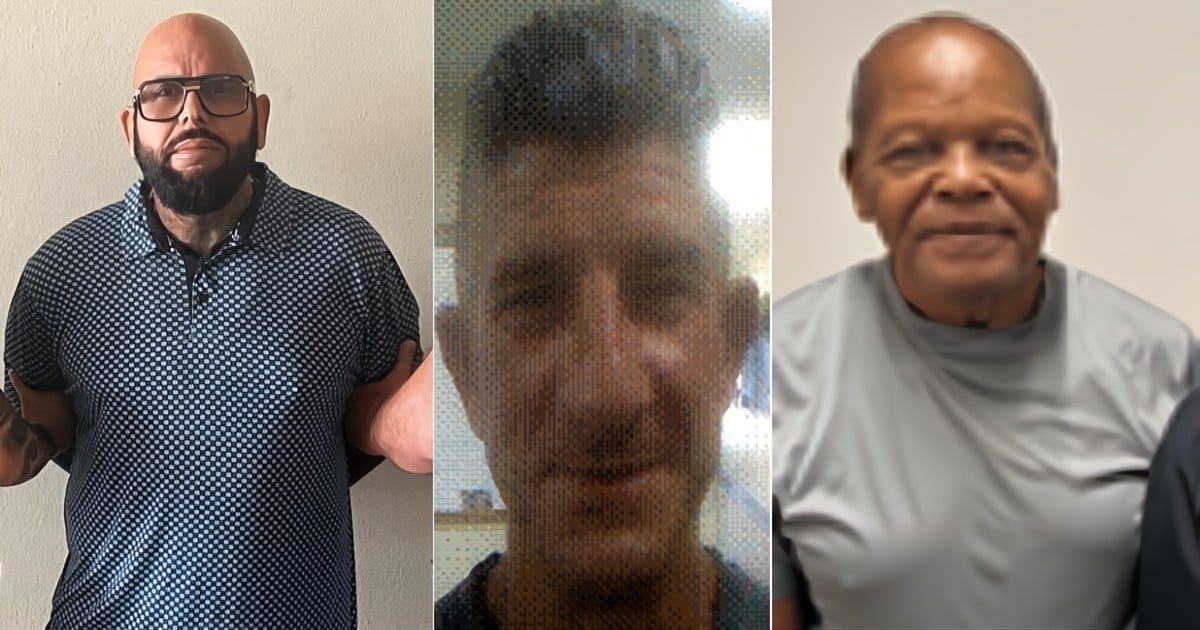
The Immigration and Customs Enforcement (ICE) announced the capture of three Cuban citizens with extensive criminal records during operations carried out in Puerto Rico, San Diego, and New Orleans, as part of its “zero tolerance” strategy against undocumented immigrants with criminal backgrounds in the United States.
In an operation, ICE San Diego reported the arrest of Bernardo Hernández, 71 years old, also of Cuban descent, with a lengthy criminal record that includes drug trafficking, drug possession, and reckless driving.
The agency classified him as "a clear danger to the community" and stated that it will continue removing criminals from the streets.
Meanwhile, ICE New Orleans confirmed the arrest of Jorge Nadal, charged with possession of cocaine on three occasions, drug distribution, and simple theft.
The regional office warned that "bringing poison into our communities is the fastest way to be expelled from them."
Another arrest took place at the end of last month in San Juan, Puerto Rico, where agents from that U.S. government agency detained Maykel Negrín Núñez, charged with homicide, violations of the Gun Law, illegal transportation of firearms, and spousal abuse.
According to the authorities, Negrín Núñez was illegally in the territory and will face an expulsion process.
These cases add to a series of recent arrests of Cubans in various states, including Maykel Rodríguez in Denver for assaulting a peace officer, and Bárbaro Reyes-Gómez in Texas, convicted of human trafficking and included by ICE on the list of the most dangerous foreigners under the label "The worst of the worst."
Immigration authorities emphasize that these operations are essential to protect communities and reinforce their tough stance against crime within the undocumented population.
However, the arrests have reignited the debate about the impact of these measures on the Cuban community in the U.S., where thousands of migrants living in irregular situations fear being caught up in these raids.
Frequently Asked Questions about the Arrests of Cubans by ICE in the U.S.
What is ICE's policy regarding Cuban immigrants with criminal records?
The ICE implements a "zero tolerance" policy against undocumented immigrants with criminal records in the United States. Recent arrests of Cuban nationals with criminal histories are part of this strategy to protect communities and enhance public safety.
What crimes have the Cubans arrested by ICE committed?
Cubans arrested by ICE have been charged with serious crimes such as murder, drug trafficking, drug possession, domestic violence, and violations of the Gun Control Act. These offenses are considered high-risk to public safety.
What happens to Cuban detainees who are not accepted back by Cuba?
If the Cuban government refuses to accept the deportees, the United States deports them to third countries with which it has migration cooperation agreements. This measure is part of the strategy to ensure the expulsion of immigrants with criminal records, despite Cuba's lack of acceptance.
How does ICE's deportation policy affect the Cuban community in the U.S.?
The ICE deportation policy has generated fear and uncertainty in the Cuban community in the U.S., especially among those in an irregular situation who are afraid of being detained and deported. Detentions have reignited the debate over the impact of these measures on the Cuban community.
Filed under: