
Related videos:
Cuba experienced a new peak of social discontent in October, with 1,249 protests, complaints, and civic actions, the highest number recorded since the Cuban Observatory of Conflicts (OCC) started monitoring conflict on the island.
The number exceeds 1,221 protests in September by more than a hundred and marks the third consecutive record so far in 2025.
According to the report from the OCC, the increase in protests reflects "a growing social exhaustion in the face of the collapse of public services, repression, and the health crisis," within a context of prolonged blackouts, epidemic outbreaks, and food shortages.
The main causes of citizen discontent were challenges to the police state (261 cases), deficiencies in basic services such as electricity and water (254), and the serious epidemiological crisis affecting the island (248).
The report describes a scenario of "widespread despair," where protests combine clanging pots and pans, street blockades, and massive denunciations on social media.
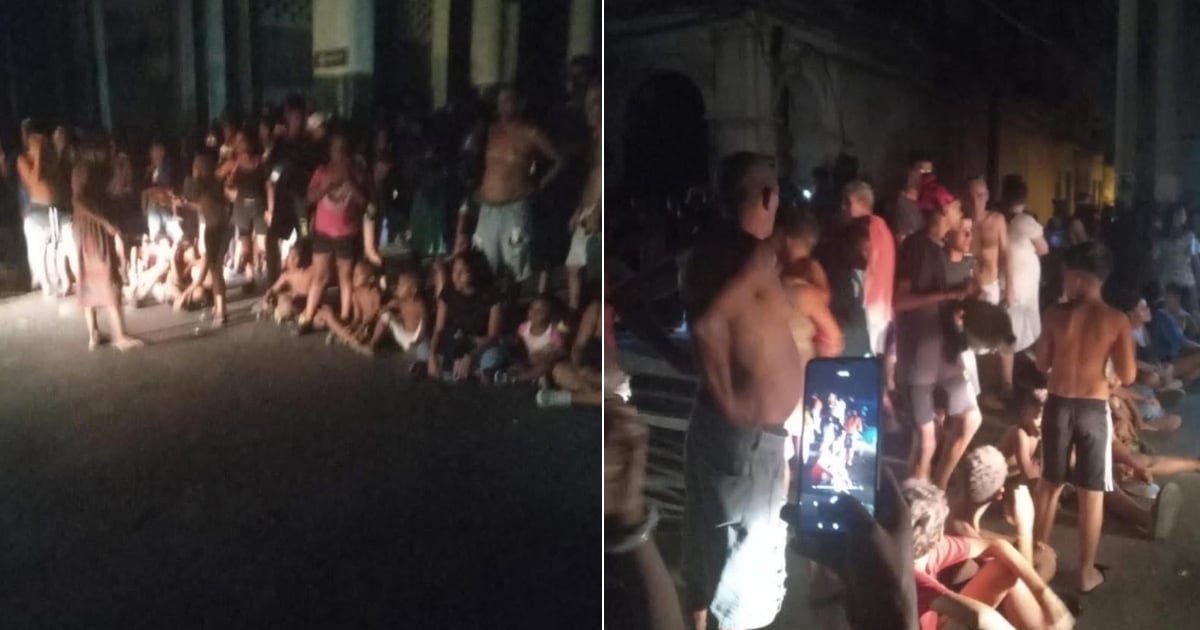
Among the most significant episodes, the OCC documented a demonstration in Baire, Santiago de Cuba, where dozens of people took to the streets after more than 30 hours without electricity, and protests in the Ho Chi Minh neighborhood of Guantánamo, one of the areas hardest hit by Hurricane Melissa.
Both were suppressed with arrests and threats, as is customary with the Cuban regime, recalled the cited source.
The organization also reported 134 complaints regarding public safety, including 17 murders and homicides, among which were two minors, and 106 repressive acts against activists, independent journalists, and citizens who participated in demonstrations.
The healthcare collapse was another focal point of protest. More than 240 complaints were linked to the rise of dengue, chikungunya, oropouche, and zika, epidemics that the report qualifies as “a crisis deliberately underestimated by the government.”
The OCC claims that hospitals have collapsed in several provinces and that the Ministry of Public Health is concealing the true death toll.
In economic terms, the Observatory recorded 127 protests related to food scarcity and inflation, depicted in viral videos where Cubans show empty refrigerators or long lines to buy rice that has been delayed since June.
The most active province was Havana, with 417 protests and complaints, followed by Santiago de Cuba (164) and Matanzas (159).
The report highlights that discontent has spread throughout the country, with expressions of dissatisfaction in all 15 provinces and in the special municipality of Isla de la Juventud.
For the OCC, the accumulation of simultaneous crises —blackouts, hunger, epidemics, violence, and impunity— has turned Cuba into “a pressure cooker of social unrest” and confirms the loss of legitimacy of the regime.
"The protest has become the only form of citizen expression in a country without free institutions," the report concludes.
Filed under: