
Related videos:
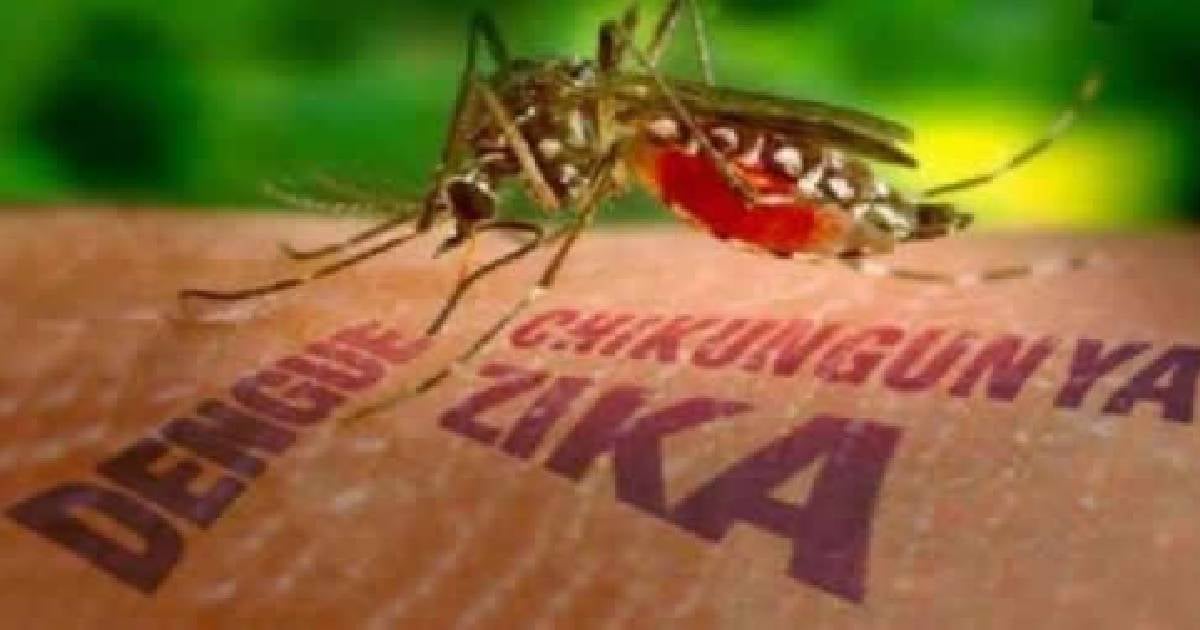
Dengue and chikungunya cases have surged in Camagüey, where health authorities describe the increase as “exponential” and warn that the municipalities of Camagüey, Florida, and Céspedes account for the majority of infections.
Dr. Iluminada Menéndez Placeres, director of the Provincial Center for Hygiene, Epidemiology, and Microbiology, reported that 72% of the arboviral cases reported in the central province are concentrated in the municipalities of Carlos Manuel de Céspedes, Florida, and the provincial capital, which is facing the most critical situation.
In the municipality of Camagüey, about 450 patients with fever symptoms are registered daily and an accumulated infestation rate of 2.16, figures that reflect a high transmission of diseases such as dengue and chikungunya, reported the official newspaper Adelante.
During the meeting of the Provincial Defense Council, its vice president and head of Civil Defense, Jorge Enrique Sutil Sarabia, requested to strengthen vector control actions through intensive fumigation, targeted treatments, and active screening of individuals with fever.
He emphasized the importance of "risk perception" and the need to maintain technical and mobilized work in the neighborhoods.
Sutil also urged prioritizing adulticidal treatment in schools, given the potential for outbreaks among the child and student population.
"The health of the people is a top priority," he asserted, urging for an intersectoral effort "with quality and sensitivity" to reverse the current epidemiological crisis.
The central province of Sancti Spíritus is also experiencing an alarming increase in dengue cases and a growing circulation of chikungunya, the official newspaper Granma recently acknowledged.
The Deputy Minister of Public Health, Carilda Peña García, recently confirmed the presence of more than 20,000 cases of chikungunya in Cuba, as well as a notable increase in dengue and other arboviral diseases.
The most affected provinces - Havana, Camagüey, Cienfuegos, Artemisa, and Villa Clara - account for 62% of the Aedes aegypti mosquito hotspots.
In recent weeks, Cubans on social media have reported on the effects of the various arboviruses that have rapidly spread throughout the island and that, according to countless testimonies, affect a much larger number of people than recognized by official media.
Hundreds of Cubans reacted with outrage and questioned on social media the assertion made by doctor Francisco Durán García, national director of Epidemiology at the Ministry of Public Health (Minsap), who stated that "where a case appears, fumigation occurs" and defended the work of vector control brigades in the country.
Citizens report that the fumigation service is inconsistent, that many brigades demand payments to prioritize certain households, and that health facilities are lacking even thermometers, IV fluids, or pain relievers.
Complaints are also multiplying against the local administration, accused of downplaying the scale of the outbreaks to avoid political sanctions.
Filed under: