
Related videos:
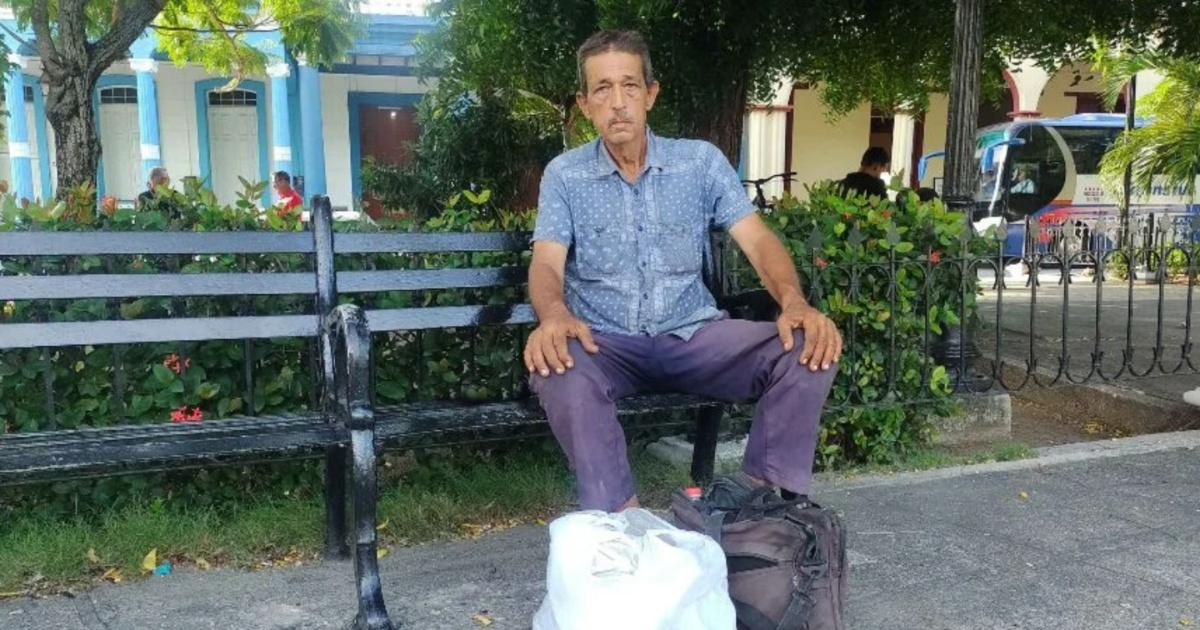
The poet and décima composer from Holguín, Freddy Camilo Morffe Fuentes, passed away this Saturday at the age of 56.
The news spread on social media and was confirmed by the independent outlet Árbol Invertido.
The causes of Morffe Fuentes' death have not been disclosed, who lived the last years of his life in poverty and homelessness.
Born in 1969, the resident of Holguín was the author of poetry books such as In the Cathedral of Time and The Little Elf Told Me, as well as books for children.
In 2024, Morffe Fuentes told the independent media Cubanet that he was living on the streets, abandoned by the cultural authorities of the province.
"I feel abandoned. Today, for example, I feel downcast, heartbroken. I have no money and nothing to eat. It has been eight years since my royalties have come in. I truly have no money. Indeed, everything has failed," he lamented.
The poet slept "in the entrance of a school, at other times in the entrance of the Martí cinema. Sometimes I go to my cousin's house and ask him to let me sleep in the yard."
According to Árbol Invertido, the poet “suffered from psychiatric issues, had even been treated with electroshock therapy, and had lost his home after relinquishing it to a relative in an agreement that later led him to a rehabilitation center from which he ultimately escaped to return to the streets.”
Morffe Fuentes received an honorable mention in the Ibero-American Contest of the Written Décima Cucalambé (2003) with the book Memoirs of a Shipwreck, along with awards from the City of Holguín in music.
In addition to his literary work, he worked as a tobacco reader and promoted a sociocultural initiative with children, the elderly, nursing homes, and grandparent houses, as well as activities at the UNEAC headquarters in Holguín, the obituary of Árbol Invertido specifies.
"His name joins the list of Cuban writers whose lives ended marked by poverty, while their verses demand, at the very least, the minimum justice of not being forgotten," concludes the obituary from the independent outlet.
Filed under: