
Related videos:
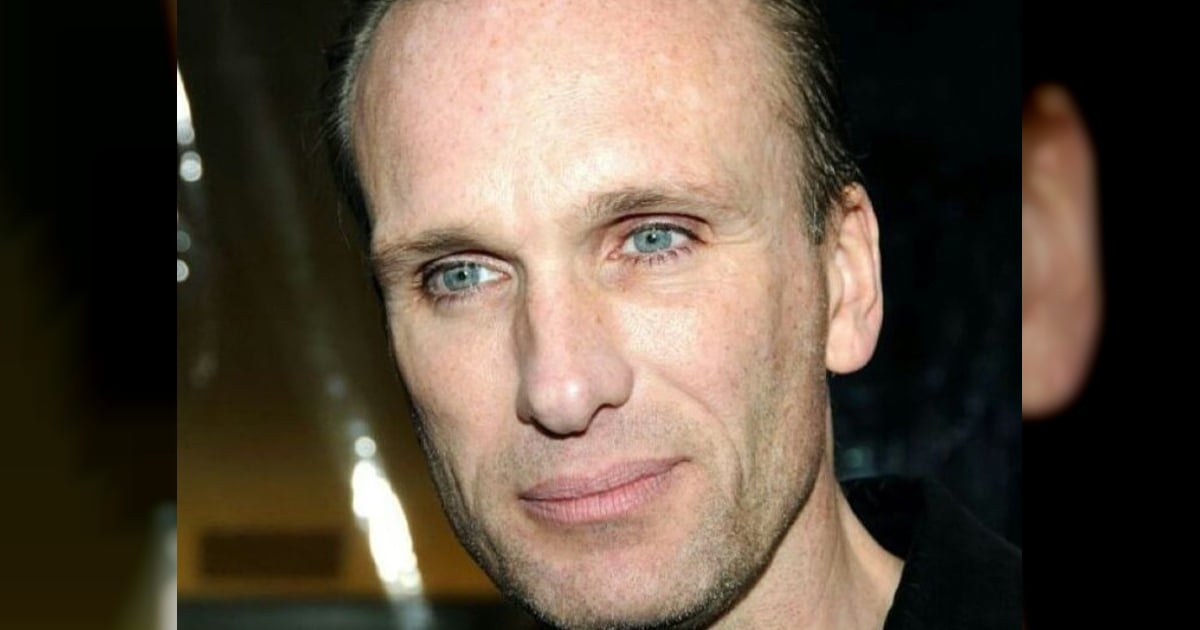
The American actor Peter Greene, remembered for portraying some of the most disturbing and memorable villains in 1990s cinema - especially Zed in Pulp Fiction - has died at the age of 60 in his New York apartment.
His passing occurred on Friday and was confirmed by his representative and close friend, Gregg Edwards, who had represented him for more than a decade.
The actor's body was found lifeless in his apartment in Manhattan, on the Lower East Side.
So far, the causes of death have not been disclosed, and the Police indicated that there are no signs of criminal activity.
"He was a fantastic guy, possibly one of the best supporting actors on the planet; he has worked with everyone," said Edwards, visibly affected. "We have been friends for over ten years. Just a very kind man."
An unforgettable face of 90s cinema
Born on October 8, 1965, in Montclair, New Jersey, Peter Greene established himself as one of Hollywood's great character actors, specializing in villains, criminals, and morally ambiguous figures.
Although his screen time was often brief, his presence was impactful and hard to forget.
His most iconic role came in 1994, when he played Zed, the sadistic security guard and sexual predator in "Pulp Fiction," a classic by Quentin Tarantino.
That same year, he also brought to life Dorian Tyrell, the mafia antagonist of Jim Carrey in "The Mask," a stark contrast to the cartoonish tone of the comedy.
During that decade, Greene was involved in other notable titles such as "The Usual Suspects," with Kevin Spacey and Chazz Palminteri; "From Thief to Cop," a comedy with Martin Lawrence; "Training Day," with Denzel Washington and Ethan Hawke; and "Maximum Conviction 2," with Steven Seagal.
From New York theater to independent cinema
Greene began her acting career at the age of 25, after training in New York theater.
His first appearance on screen was in 1990, in the series Hardball, and his film debut came with "Laws of Gravity" (1992).
A year later, he startled critics with his performance in "Clean, Shaven" (1993), in which he portrayed a man with schizophrenia trying to reconnect with his daughter. His performance is regarded as one of the rawest and most realistic depictions of mental illness in film.
Throughout his career, he worked on more than 40 films and series, under the direction of renowned filmmakers.
In recent decades, he remained active in independent productions and small television roles, with appearances in series such as "Life on Mars," "The Black Donnellys," "Chicago P.D.," and "The Continental."
A life marked by personal struggle
Behind his imposing presence on screen, Greene carried a difficult personal story. In interviews, he shared that he ran away from home at the age of 15 and spent some time living on the streets of New York.
His rising career was accompanied by a long struggle with addiction. In 1996, he attempted suicide and subsequently entered rehabilitation. More than a decade later, in 2007, he was arrested for possession of crack.
Despite these difficulties, his loved ones remember him as a big-hearted person, a perfectionist, and deeply dedicated to his work.
His representative acknowledged that he could be considered "difficult" on some film sets, but emphasized that this insistence stemmed from his obsession with authenticity and truth in every scene.
Ongoing projects and legacy
At the time of his passing, Peter Greene was still working and had several projects in development, including a documentary about the withdrawal of federal funds from the U.S. Agency for International Development (USAID), as well as other productions planned for 2026.
He is survived by a brother and a sister.
His death leaves a void among those who appreciate films featuring intense, discomforting, and complex characters, and it confirms the loss of an actor who, without needing to star in major stories, managed to leave a lasting impact on generations of viewers through brief yet unforgettable performances.
Filed under: