
Related videos:
Four years after the Cuban regime approved Decree-Law 31 on Animal Welfare, the regulation remains a dead letter.
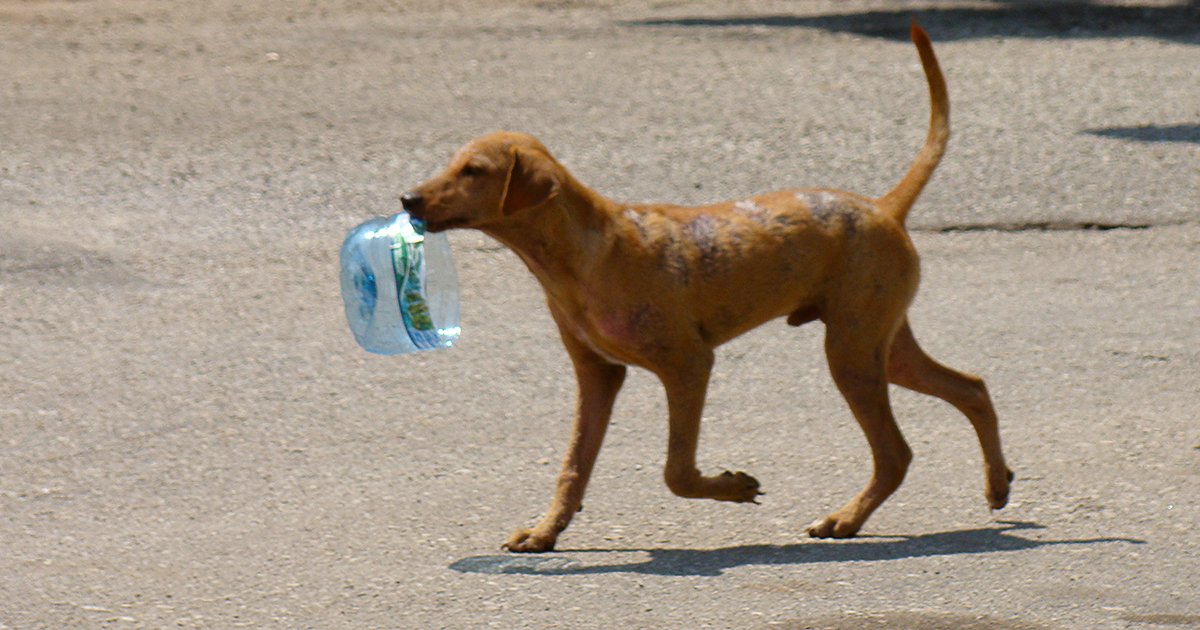
In the nation, there are no shelters and care centers that the law mandated to be established, and thousands of dogs and cats continue to roam the streets without shelter or protection.
According to what was published by the official media Cubadebate, the very working group that drafted the Decree-Law acknowledged that, at the time of its approval in 2021, there were no facilities in place to comply with the provisions outlined in articles 39 and 40, which mandate the transfer and care of stray animals in observation, shelter, rescue, and rehabilitation centers.
In the text, the authorities admit that such centers were never established, justifying the failure by citing "economic restrictions," the "COVID-19 pandemic," the "U.S. blockade," and damage from weather events, common excuses used by the regime for its lack of management.
They assure that, despite this, they have not given up on establishing these places "in the future." In other words: Decree-Law 31 on Animal Welfare is, to a large extent, a rule put on the back burner.
Meanwhile, reality contrasts with official justifications. In Cuba, activists and animal protectors continue to take care of hundreds of abandoned dogs and cats, creating makeshift shelters in their own homes, often with limited resources and without state support.
Some of those spaces face neighborhood complaints and pressures from health authorities, which do not provide real alternatives.
The note from Cubadebate also acknowledges the rising concern about street animal populations, the lack of sterilization, and the absence of effective public programs to control reproduction.
It also mentions the possibility of authorizing private shelters through veterinary licenses, although in practice, there are no accessible or transparent mechanisms for their approval.
Activists remember that Decree-Law 31 was approved after years of demands and peaceful demonstrations by animal rights groups in Havana. However, four years after its enactment, the promises of animal welfare and protection remain unfulfilled.
Cuba continues to lack infrastructure, resources, and the political will to ensure humane treatment for animals.
Filed under: