
Related videos:
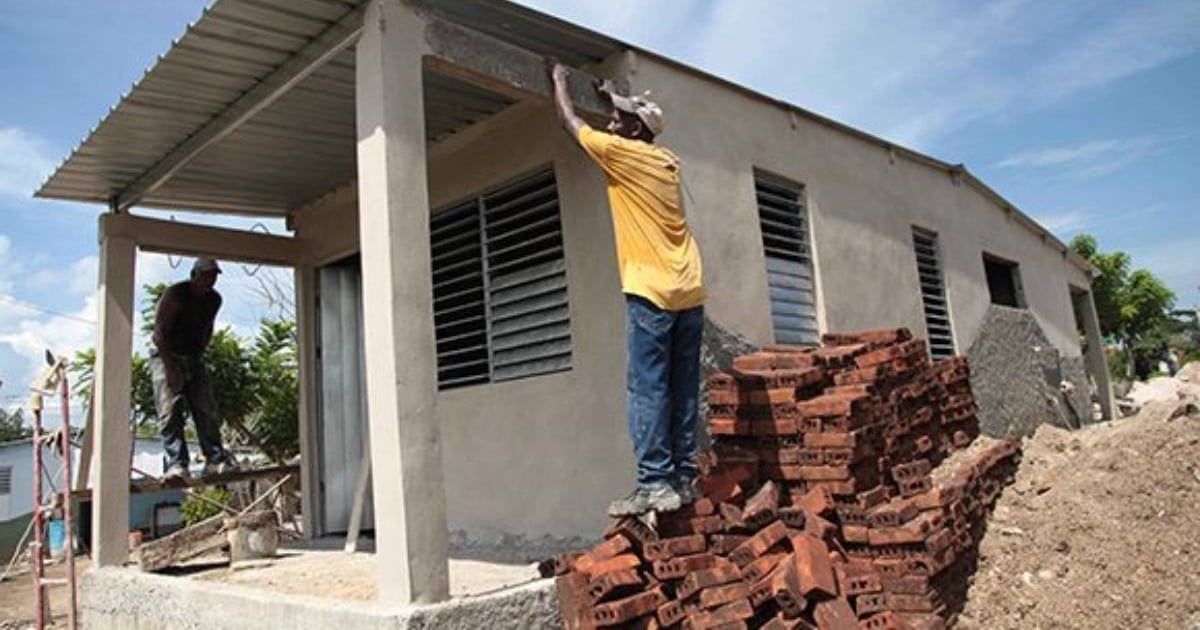
The Housing Program in Cuba concluded 2024 with results far below expectations, amidst a deep economic crisis that impacted the availability of materials and energy resources.
This Wednesday, during the review by the Ministry of Construction, the leader Miguel Díaz-Canel acknowledged the challenges facing the sector, emphasizing that cement production is in a critical state, as only 10% of the installed capacity in the country was utilized in 2024.
This problem, stemming from the lack of maintenance in cement plants and the absence of investments in the last seven years, severely impacted the housing program and other infrastructure projects.
The official account of the Presidency of Cuba did not provide the exact percentage of non-compliance with the housing construction plan for 2024, but in November of that year, state media had reported that, by the end of August, only 39% of the annual target had been met, with the delivery of 5,262 homes.
The cement deficit added to other difficulties such as shortages of parts, raw materials, and imported supplies, low local production of materials, and limitations in the allocation of energy carriers.
The housing construction plan has been unmet for over five years, yet the Ministry of Construction continues with the same leader at the helm, René Mesa Villafaña. Each year the regime cites new factors responsible for the non-compliance, and this time it was the shortage of cement.
The government proposed as part of its strategy for 2025 the partial reactivation of the cement plant in Cienfuegos, the promotion of export projects in this sector, and greater efficiency in the use of available materials in the country, without specifying what those products are.
It is also expected to strengthen the link with universities and promote technological innovation to seek sustainable alternatives for housing construction. These ideas have been proposed for decades in Cuba, without yielding tangible results in any sector.
The Prime Minister, Manuel Marrero Cruz, stated that the economic crisis has severely impacted the sector, but he believes that "there is no other alternative but to continue seeking our own solutions to the existing problems."
Additionally, he emphasized the need for a thorough review of the Housing Program and improved planning to ensure better performance in 2025. This will likely result in lowering the targets so that the MICONS can meet some statistics for the first time in a long while.
The failure to meet the housing program adds to a long list of setbacks in the development plans of the country, where a lack of resources and economic restrictions have made it impossible to achieve the goals announced by the government.
Meanwhile, the demand for housing continues to grow, buildings are still collapsing with residents inside, and thousands of Cubans continue to live in precarious conditions with no solution in sight.
Frequently Asked Questions about the Housing and Construction Crisis in Cuba
What was the level of compliance with the Housing Plan in Cuba in 2024?
The Housing Plan in Cuba for 2024 only achieved 39% of its annual goal, delivering 5,262 homes by August, far below the projected 13,500. This shortfall is primarily due to the economic crisis and the shortage of construction materials, such as cement.
Why is there a cement crisis in Cuba?
The cement crisis in Cuba is due to a lack of maintenance in the cement plants and a shortage of investments over the past seven years. In 2024, only 10% of the installed capacity for cement production was utilized. This has severely impacted the housing construction program and other infrastructures.
What measures has the Cuban government proposed to address the housing crisis?
The Cuban government has proposed to partially reactivate the cement plant in Cienfuegos, boost cement export projects, and improve the efficiency of available materials. It also plans to strengthen ties with universities and innovate technologically. However, these measures seem optimistic and unrealistic given the history of unmet commitments.
How does the housing crisis affect the Cuban population?
The housing crisis in Cuba has forced thousands of Cubans to live in precarious conditions, with buildings at risk of collapse and a growing housing deficit. Collapses are frequent, especially in Havana, and many families end up in shelters or facing overcrowded situations. The situation worsens each year with no solution in sight.
Filed under: