
Related videos:
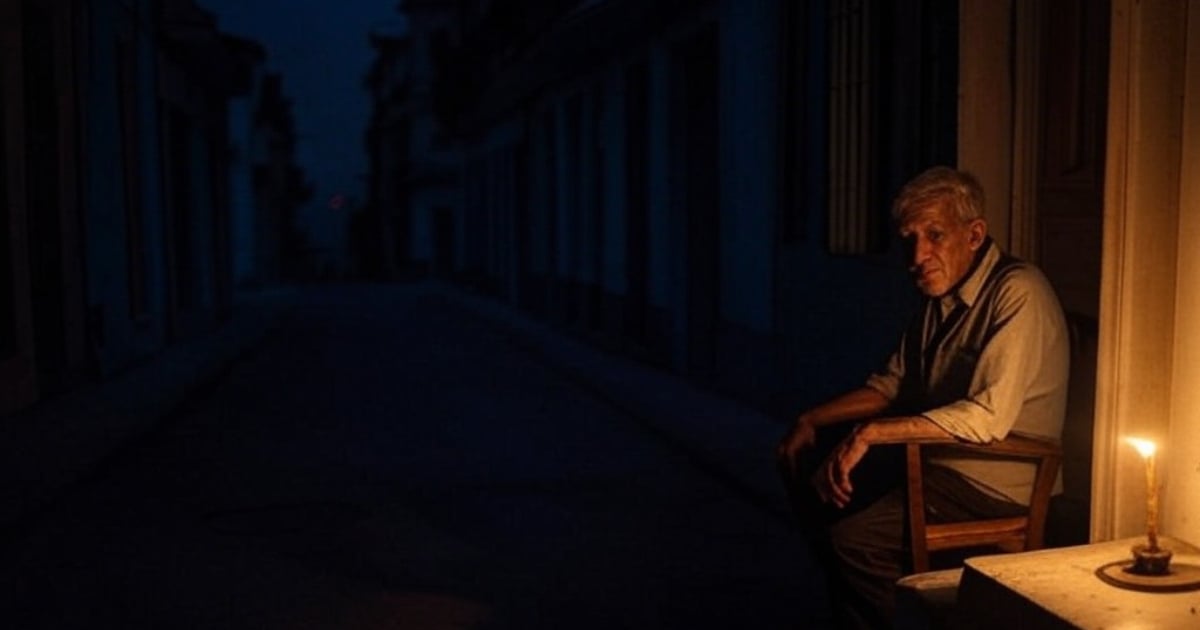
Power outages in Cuba continue to affect the population with no solution in sight. The Electric Union of Cuba (UNE) reported in its daily briefing that this Sunday, the 23rd, the electrical service was affected for 24 hours due to a generation capacity deficit, a situation that extended into the early hours of today, Monday. The highest impact recorded was 1,572 MW at 7:20 p.m., coinciding with the peak demand period.
This Monday, the availability of the National Electroenergetic System (SEN) is 1,384 MW, while the demand reaches 2,360 MW, resulting in a shortfall of 966 MW. It is anticipated that by noon, the shortfall will increase to 1,350 MW, with a greater impact on the central-eastern region of the country.
The main reported incidents include breakdowns at Unit 3 of the CTE Santa Cruz, Unit 3 of the CTE Renté, and Units 1 and 2 of the CTE Felton. Additionally, Unit 2 of the CTE Santa Cruz, Units 3 and 4 of the CTE Cienfuegos, and Unit 5 of the CTE Renté are currently under maintenance. There are also 392 MW out of service due to thermal limitations and fuel supply issues affecting 83 distributed generation plants, the fuel plant in Mariel, and the Patana de Regla, totaling 729 MW out of service for this reason.
For the peak hours on this Monday, February 24, a capacity of 1,484 MW is projected, with a maximum demand of 3,150 MW, resulting in a deficit of 1,666 MW. If these conditions persist, the impact could reach 1,736 MW, mostly affecting the central-eastern region of the country.
In Havana, the Electric Company announced scheduled power outages at different times due to a generation deficit. From 10:00 a.m. to 2:00 p.m., blocks 3 and 4 will be affected; from 2:00 p.m. to 5:00 p.m., the outage will rotate to block 2; and from 5:00 p.m. to 8:00 p.m., service will be interrupted in block 1. The official Telegram, X, and Facebook accounts of the Electric Company of Havana will continue to provide updated information to the public, and the phone line 18888 remains available for direct inquiries.
The electricity crisis in Cuba has been persistent over the past few years, impacting the quality of life of citizens, the economy, and the functioning of public services. Promises of improvements and new investments in the energy sector have not been able to prevent the extension of blackouts, which remain a daily issue on the island.
Cuba is experiencing a serious energy crisis, with power outages exceeding 20 hours daily in several provinces. The oil expert Jorge Piñón warned that the national electrical system could collapse in the coming months, due to the deterioration of thermal power plants and the lack of fuel to sustain electricity generation.
This Sunday, the Electric Union (UNE) confirmed that 11 thermoelectric units were out of service, seven of them due to serious faults and four under maintenance. This situation caused a deficit of 1,630 MW, which led to prolonged power outages, especially in the central-eastern region of the country. The day before, the impact from energy deficit had already reached 1,557 MW, with nine thermoelectric units non-operational and over 70 distributed generation plants halted due to lack of fuel.
In the midst of this harsh crisis, the 2025 Salsa Festival in Havana began on February 19 with concerts at Club 500 and Hotel Memories Miramar. While Cubans endured power outages lasting up to a full day, the event featured an extensive display of lights and sound, leading to strong criticism regarding the authorities' disconnection from the country's reality.
In an attempt to alleviate the crisis, on February 18, the Russian tanker Akademik Gubkin arrived in Cuba, carrying 790,000 barrels of oil. However, experts have pointed out that these supplies are temporary solutions and have questioned the fate of the Cuban heavy crude, which should be used in thermoelectric plants but whose distribution remains uncertain.
The energy situation remains critical on the island, with daily blackouts and a rapidly deteriorating electrical infrastructure, while the population faces growing difficulties in accessing basic services amid the crisis.
Frequently Asked Questions about the Energy Crisis in Cuba
What is the current situation regarding blackouts in Cuba?
Power outages in Cuba continue with no solution in sight, with a generation deficit exceeding 1,700 MW. This energy crisis severely affects the quality of life of the population and the functioning of basic services on the island.
What are the causes behind the blackouts in Cuba?
The blackouts in Cuba are primarily caused by breakdowns in thermal power units and fuel shortages, which limit generation capacity. Additionally, the maintenance of certain units and thermal limitations exacerbate the situation.
How do blackouts affect the Cuban population?
Blackouts significantly affect the daily lives of Cubans, complicating essential activities such as cooking and using appliances. They also lead to social frustration, especially on the eve of important events.
What measures are being taken to address the energy crisis in Cuba?
Although some measures such as the arrival of oil and the maintenance of generating units have been implemented, the solutions have been insufficient and no effective long-term plan has been established to resolve the energy crisis on the island.
Filed under: