
Related videos:
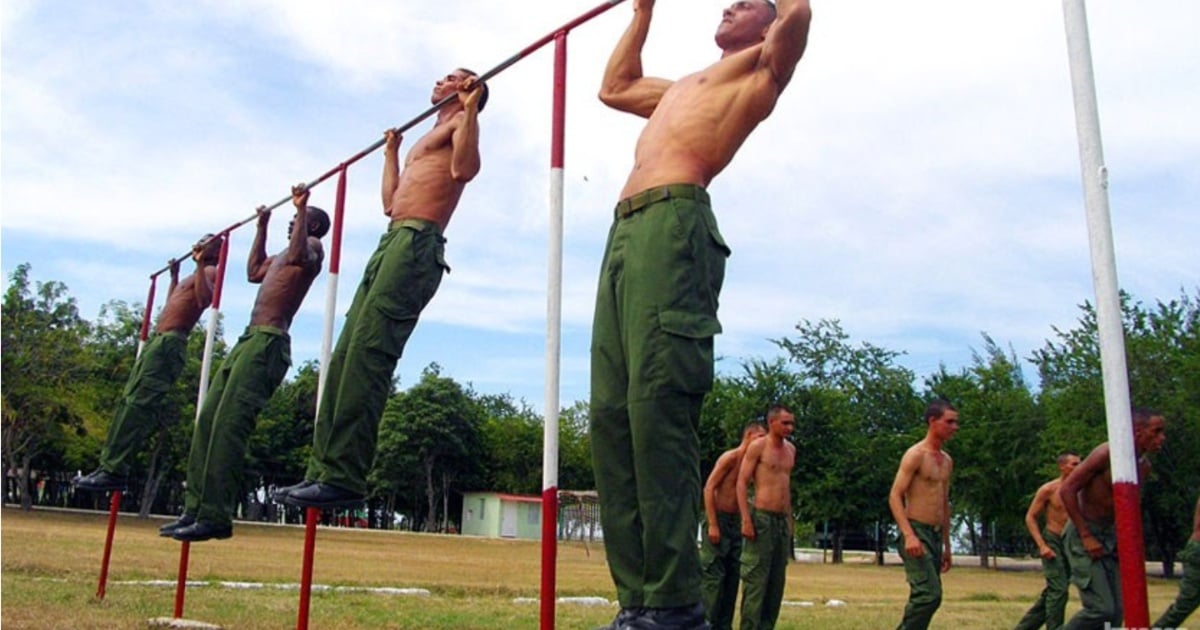
The Cuban regime has called for a mass enrollment in Active Military Service shortly after the death of nine young soldiers and four officers in Holguín.
The local newspaper Sierra Maestra reported that registration is the "preparatory step for the subsequent fulfillment of military service," and with this call, they aim to "promote the process from educational institutions."
One of the young soldiers who promoted the SMA said it was an "opportunity" to "safeguard sovereignty through military preparation." "It is a source of pride to defend the Revolution in times of crisis."
A young woman commented that it was an option to "improve oneself, gain experience, face the enemy, and have the possibility of choosing a civilian university career," without mentioning the risks involved for those adolescents in handling weapons and undergoing intensive military training.
In Santiago de Cuba, more than 200 students from the José Tey Sanit-Blancard Pedagogical School had to register their information to then be incorporated as soldiers.
Colonel Dayamí Favier Yero, Deputy Chief of the Provincial Military Committee, told the state press that individuals born in 2009 must register, as they are turning 16 this year.
The process consists of several steps that include, in addition, a medical check-up, recruitment commissions, and subsequently a call to enter Active Military Service.
Young women were also called to the Female Volunteer Military Service in exchange for the opportunity to pursue a university degree (either through military or civilian channels).
Registration for the SMA is mandatory for males starting at the age of 16.
Human rights activists have repeatedly warned about the conditions in which recruits find themselves and the reprisals faced by those who attempt to refuse service.
A campaign against Mandatory Military Service in Cuba has gained strength in recent years, especially following tragic incidents that have highlighted the risks and adverse conditions faced by young recruits.
One of the most significant triggers was the fire at the Supertankers Base in Matanzas in August 2022, where several recruits lost their lives while participating in firefighting efforts.
Frequently Asked Questions about Mandatory Military Service in Cuba
What is Mandatory Military Service in Cuba?
The Mandatory Military Service (SMO) in Cuba is a legal requirement for all male citizens, which they must fulfill from the year they turn 17 until they reach 28 years of age. It consists of a two-year active service period, with the official aim of preparing young individuals for the defense of the country. However, this practice has been widely criticized for its risks and adverse conditions.
What are the conditions that young people face in Military Service in Cuba?
Young individuals serving in the military in Cuba face precarious living conditions, mistreatment, and significant risks. There have been reports of negligence in handling hazardous materials, leading to tragedies such as the fire at the Supertankers Base in Matanzas and the explosions at a military warehouse in Holguín. Furthermore, young people may be subjected to punishment for refusing to serve, adding an additional layer of repression to an already challenging experience.
What sanctions do young people face if they refuse to complete Military Service in Cuba?
Young people who refuse to fulfill the Mandatory Military Service in Cuba may face fines and imprisonment. Decree 103/2024 establishes penalties that include fines of up to 7,000 Cuban pesos. Additionally, there are punishment centers for those who refuse to serve, and their parents or guardians may be held responsible for the offenses committed by them.
What criticisms has the Mandatory Military Service received in Cuba?
The Mandatory Military Service in Cuba has been widely criticized for being an oppressive and dangerous practice for young people. Activists and organizations have denounced the adverse conditions and risks faced by recruits. Recent tragedies have intensified the "No to Mandatory Military Service" campaign, which demands an end to this practice and advocates for alternatives that prioritize the development and freedom of Cuban youth.
Filed under: