
Related videos:
The Cuban intellectual Arturo Mesa recently shared a moving testimony about his return to Cuba after years of absence, describing the lack of hope among its residents.
In his profile on Facebook, he published a text titled "Summary of My Stay," where he details the crisis the island is facing and the profound impact it had on him to travel through a country that, as he states, is marked by despair and mass exodus.
Mesa began his account from the moment he arrived at the Havana airport, where he noticed that his flight from Miami was nearly empty.
But what shocked him the most was the attitude of the airport officials, who, in search of tips in dollars, persistently offered to help with the luggage, which he saw as a reflection of the economic hardship plaguing the population.
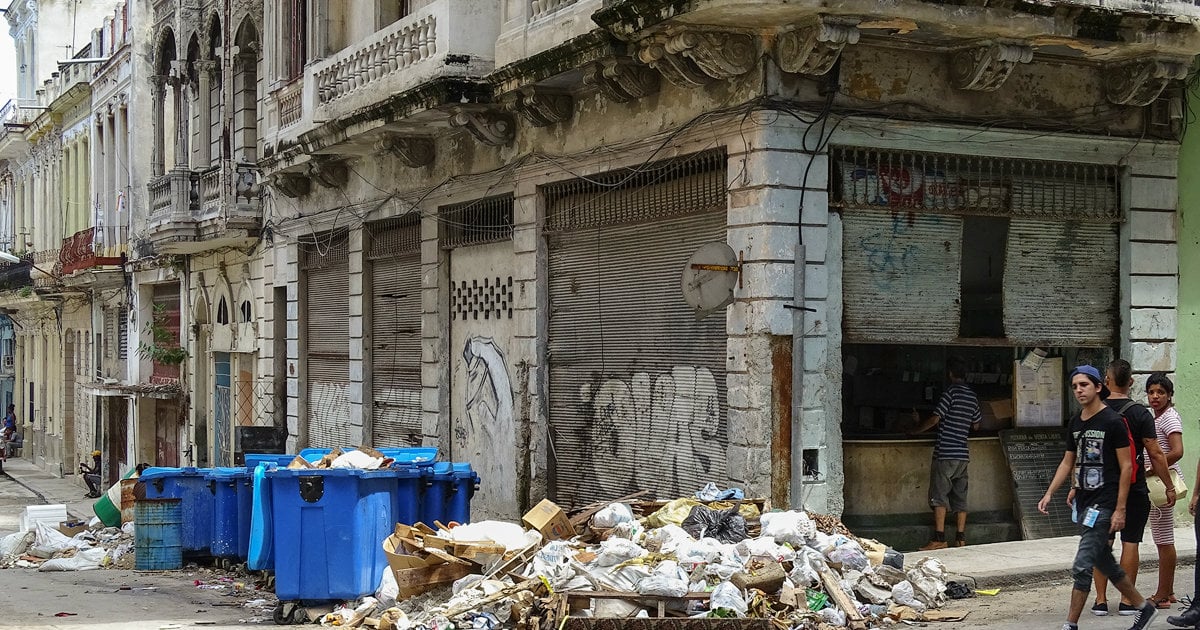
Once in the Cuban capital, the intellectual described a desolate landscape: poorly maintained streets, closed businesses, power outages, and an empty market that he did not dare to enter.
The city he once wandered through with nostalgia now seemed to him a shadow of what it once was: "The same potholes from two years ago were still there, waiting for me."
During his stay in Varadero, one of the most important tourist hotspots in Cuba, Mesa was surprised to notice the absence of young people in the hotel where he was staying: "There are no young people in the hotel. It's not just a cold statistic; you can feel it there."
According to his testimony, most of the workers were older adults with years of experience or recent graduates who were just starting out in the sector.
The intellectual believes that this phenomenon is a clear reflection of the migration exodus occurring in the country, where thousands of young people have chosen to emigrate in search of better opportunities.
Back in Havana, Mesa faced an even harsher reality: the roads were in poor condition, trash was piling up in the streets and power outages were frequent.
During his journey through neighborhoods like Luyanó and La Virgen del Camino, he noticed an alarming increase in people begging and rummaging through the trash searching for something to eat: “Lines of people waiting for nothing.”
In contrast, he mentioned the proliferation of small private businesses or micro, small, and medium enterprises (mipymes), but criticized that prices are unaffordable for the majority of the population: "An economy with barely 8,000 pesos a month cannot buy a package of chicken or fish at those prices."
The price of food was also a significant topic during his trip. In his account, he mentioned that he bought two chickens, two fish, two packets of beans, spaghetti, and tomato paste for 50 dollars, an unaffordable cost for many Cuban families.
He also noted that the ration card, which previously guaranteed access to some basic products, now barely provides small amounts of beans and outdated rice.
Mesa also highlighted the contrast between the scarcity in the markets and the revenue generated by state-owned companies like Habanos S.A., which reports million-dollar earnings from tobacco exports.
We have Habanos and an income of 800 million dollars from just one company, which will soon tell us how that money was invested," he joked.
On the last day of his stay in Cuba, Mesa visited a bar where he noticed another contrast: while most of the country survives on meager salaries, some exclusive venues are filled with young people from the upper class and families of high-ranking government officials, where payments are made in bundles of 200-peso bills. His farewell was as bleak as his arrival.
At the airport, the terminal was practically empty and food prices were outrageous: "A sandwich with a strip of ham and cheese cost 9 dollars, and a beer or a soft drink cost 5."
Despite what he saw and felt upon his return to Cuba, Arturo Mesa insists that he still holds on to the hope that the island will find a better path: "I suffered greatly because of the emptiness of the country, because of how poorly we are doing, because of what is yet to come, due to insecurity and distance, but I keep all my hopes just like on the first day."
Frequently Asked Questions about the Current Situation in Cuba According to the Testimony of Arturo Mesa
What is the economic situation in Cuba according to Arturo Mesa?
The economic situation in Cuba is precarious, with a marked shortage of basic products and prices that are unaffordable for most of the population. Arturo Mesa describes how the Cuban economy does not allow citizens to meet basic needs, which is reflected in a massive exodus and the despair of the residents.
How is the migration exodus affecting the Cuban population?
The migration exodus has left Cuba without young people, impacting both the labor sector and the social environment of the country. Arturo Mesa emphasizes that many young people emigrate in search of better opportunities, which is evident in the lack of youth in sectors such as tourism, where older workers or recent graduates are predominant.
What impact do massive blackouts have in Cuba?
Massive blackouts in Cuba severely impact daily life, interrupting essential activities and complicating access to basic services. The lack of electricity worsens the economic and social crisis, affecting both locals and tourists visiting the island.
What does Arturo Mesa's testimony reflect about the state of infrastructure in Cuba?
The infrastructure in Cuba is in a state of serious disrepair, with poorly maintained roads, garbage accumulation, and constant blackouts. Arturo Mesa notes that the lack of maintenance and resources has created a desolate environment in cities like Havana, exacerbating the island's economic and social crisis.
How is economic inequality experienced in Cuba?
The economic inequality in Cuba is evident in the difference between the few who can afford luxuries and the majority who struggle to survive. Arturo Mesa describes how some exclusive venues are frequented by the upper class, while most of the population faces prohibitive prices and a shortage of basic goods.
Filed under: