
Related videos:
The Electric Company of Havana published a new schedule of blackouts for the entire week on Tuesday, plunging the Cuban capital into an endless cycle of power outages.
According to information shared on the social network Facebook, the program, divided into four blocks (distribution), impacts all municipalities, leaving millions of residents of Havana at the mercy of an energy crisis that seems to have no solution.
According to the state entity, the schedule is a response to the generation deficit in the National Electroenergetic System, which means that power outages will continue to be a routine for Cubans.
Additionally, they warn that variations in service restoration times may occur, which in practice translates to longer blackouts than expected.
A black Tuesday and an even darker future
The lack of fuel continues to worsen the situation. Although, unusually, only one thermoelectric unit is out of service, the scarcity of resources keeps the system on the brink of collapse.
In fact, the National Electricity Union (UNE) predicted another "black Tuesday" today, which makes it clear that the situation will worsen before it improves.
Endless blackouts: the energy disaster intensifies
The energy crisis in Cuba becomes more unbearable with each passing day. The thermoelectric plants frequently fail, and the lack of fuel hinders any stability in the supply.
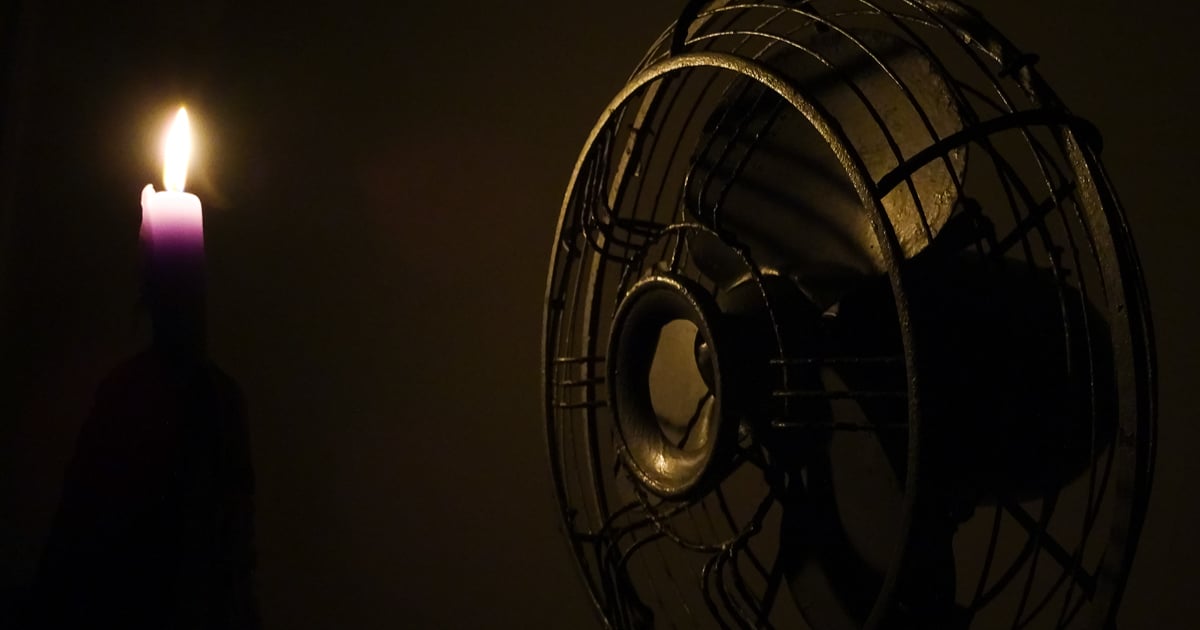
Meanwhile, Cubans are trying to survive amidst extended blackouts, food that spoils in refrigerators, and entire nights without ventilation in a sweltering climate.
Lights for some, darkness for others
The most shocking contrast has been reflected on social media, where citizens have denounced the waste of energy at the recently inaugurated Hotel Torre K-23, right in the heart of Havana. While neighborhoods go for hours and even days without electricity, the luxury and brilliance of the new establishment show that, in Cuba, light continues to be a privilege reserved for a select few.
Cuba entered the third month of the year without signs of improvement in its energy crisis. While the government continues to fail to provide real solutions, citizens are still bearing the burden of blackouts, which have become part of the daily life of a country that seems doomed to darkness.
Frequently asked questions about blackouts in Havana and the energy crisis in Cuba
Why are blackouts happening in Havana?
Power outages in Havana are a result of the deficit in electricity generation within Cuba's National Electric System. The lack of fuel and breakdowns in thermoelectric plants have necessitated scheduled blackouts to manage the limited electric supply. This measure aims to distribute the scarce resource among the different areas of the capital, although the established schedule is not always adhered to precisely.
How does the energy crisis affect the daily life of Havana residents?
The energy crisis severely impacts the daily lives of Havana residents, limiting their access to basic services such as electricity and water. Prolonged blackouts result in the loss of food that spoils without refrigeration and lead to difficult living conditions, especially during hot, unventilated nights. Additionally, the inequality in the distribution of electricity generates discontent, as while some buildings and luxury hotels remain illuminated, the majority of citizens face darkness.
What are the citizens' reactions to the blackouts in Havana?
Citizens express their frustration and discontent over power outages through social media. Many denounce the inequality in electricity supply and criticize the lack of effective solutions from the government. The outrage is palpable, with comments reflecting the mental and physical exhaustion that these outages cause in the population, as well as the perception that power outages have become a permanent fixture in the everyday lives of Cubans.
What measures has the government announced to address the energy crisis in Cuba?
The Cuban government has announced a schedule of blackouts and maintenance of plants to address the energy crisis. However, these measures have proven insufficient to solve the underlying problem. The lack of a clear and effective strategy increases uncertainty and discomfort among citizens, who are calling for concrete and fair actions to improve the energy situation in the country.
Filed under: