
Related videos:
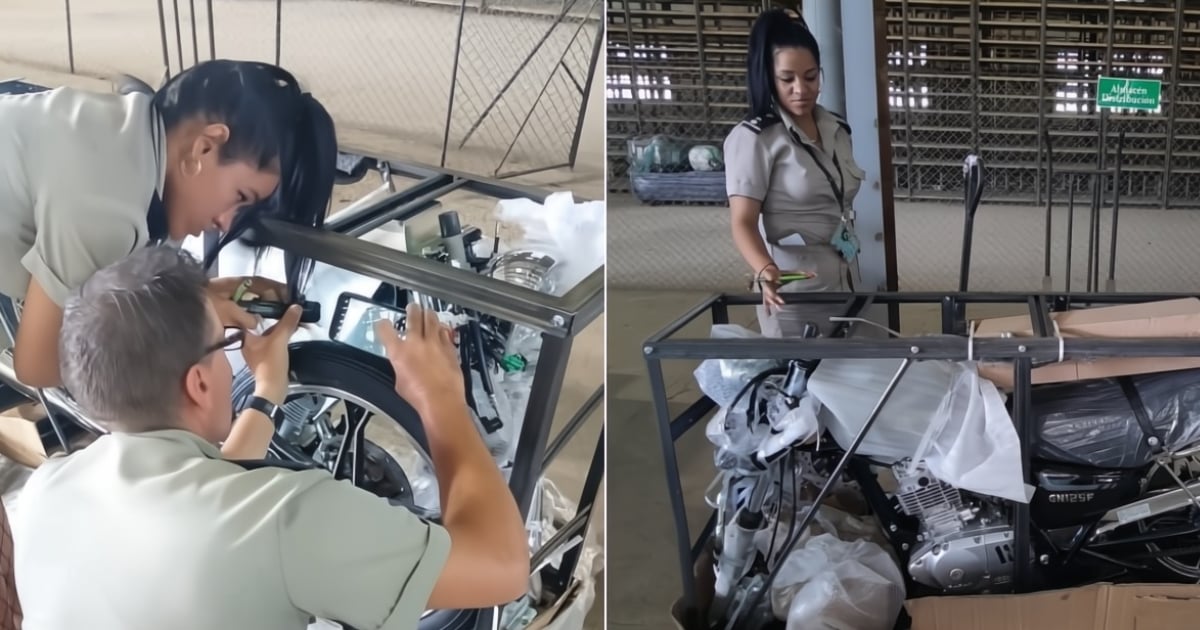
The General Customs of the Republic of Cuba began the clearance of imported internal combustion motorcycles through Aerovaradero S.A. in Holguín, complying with all the formalities required for their legalization and entry into the country.
This measure is part of the new regulations established by the Cuban government in September 2024, when the direct import of mopeds and combustion motorcycles by individuals was allowed, either as unaccompanied luggage or as shipments.
This new measure includes vehicles with or without sidecars, both new and second-hand (up to 10 years old), with engine capacities of up to 250 cc, as well as electric or hybrid tricycles with a capacity of more than two seats or intended for cargo.
The Minister of Transportation, Eduardo Rodríguez Dávila, confirmed that the provision also applies to diplomats, businesspeople, and Cuban collaborators on state missions abroad, who will be allowed to import, in addition, an economical or medium-sized car, new or used up to 10 years old, as long as they have completed at least two years of continuous service.
Tariffs and new import conditions
In January 2025, the Customs of Cuba published the new dollar tariffs for the importation of motorcycles. Each type of vehicle has an assigned customs value and a detailed payment scheme that varies depending on the chosen method of import. For example:
- A sidecar for motorcycles has a customs value of 100 USD.
- An electric or hybrid tricycle with a capacity for more than two passengers or cargo costs 550 USD.
- A combustion engine scooter or motorcycle of up to 250 cc is valued at 850 USD.
- A motorcycle with an included sidecar has a customs cost of 950 USD.
Cuban authorities indicate that these measures aim to "facilitate greater access to transportation for society and raise funds dedicated to the development of public transportation and road infrastructure."
Changes in property transmissibility
Another change introduced by the Cuban government is the easing of the transfer of ownership of imported vehicles between individuals and legal entities.
A micro, small, or medium-sized enterprise, a religious organization, or a foreign representation office can sell a vehicle to an individual without additional restrictions. However, if the selling entity is state-owned or has state participation, the transaction will require approval from the Council of Ministers.
With these modifications, the Cuban government aims to stimulate the automotive market and provide new mobility options for the population, in a context where public transportation continues to face serious limitations.
Frequently asked questions about the importation of motorcycles in Cuba
What are the new regulations for the importation of motorcycles in Cuba?
Since 2025, the Cuban government allows the importation of internal combustion, hybrid, and electric motorcycles. These can be new or second-hand (up to 10 years old), with a displacement of up to 250 cc. Additionally, electric or hybrid tricycles with a capacity of more than two seats or intended for cargo are included.
What are the import costs for motorcycles in Cuba?
The Customs of Cuba has established a tariff scheme in dollars for these vehicles. A moped or internal combustion motorcycle of up to 250 cc has a customs value of 850 USD, while a motorcycle with an included sidecar is valued at 950 USD. An electric or hybrid tricycle with a capacity for more than two passengers or cargo costs 550 USD.
Who can import vehicles in Cuba under the new regulations?
The Minister of Transport, Eduardo Rodríguez Dávila, has confirmed that diplomats, entrepreneurs, and Cuban collaborators on state missions abroad can import vehicles. Furthermore, any individual of Cuban nationality can import motorcycles, mopeds, and hybrid or combustion bicycles.
How do these measures affect access to transportation in Cuba?
These measures aim to facilitate access to new means of transportation for Cuban society and generate funds for the development of public transport and road infrastructure. However, the high costs of imports and the economic limitations faced by the majority of Cubans remain a significant obstacle to improving access to transportation.
Filed under: